Introduction: The Critical Role of Live Bird Hanging in Spent Hen Processing
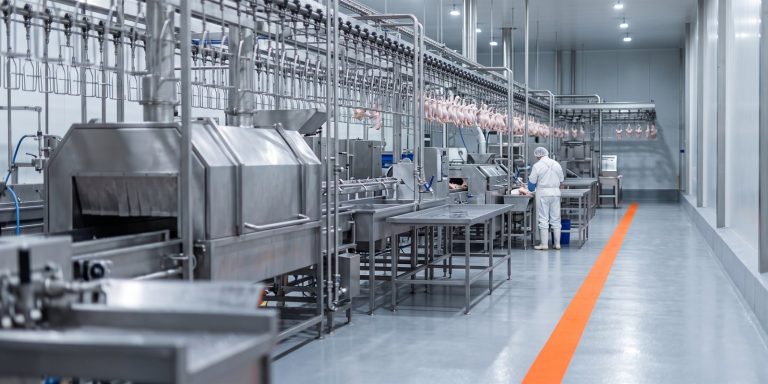
In modern poultry processing, especially for spent hens (older laying hens), the initial stage of live bird hanging is pivotal for both animal welfare and line efficiency. NPW’s automated slaughter line integrates this step seamlessly, ensuring a smooth transition from transport crates to the processing line. This blog explores the technical nuances of our system, highlighting how it addresses the unique challenges posed by spent hens, such as varying body sizes and feather density.
Why Spent Hens Require Specialized Slaughter Lines
Spent hens differ significantly from broilers in terms of muscle composition, bone strength, and feather retention. Their tougher skin and stronger feather follicles demand higher scalding temperatures and precise plucking adjustments. NPW’s line is engineered with adjustable scalding tanks and plucking modules that can be fine-tuned to handle these variations. The result is a consistent, high-quality end product with minimal carcass damage.
Key Features of NPW’s Automated Slaughter Line
- Ergonomic Hanging Station: Designed to reduce operator fatigue and improve throughput, with adjustable height and anti-slip shackles.
- Humane Stunning & Bleeding: Electrical stunning ensures rapid unconsciousness, followed by a controlled bleeding tunnel to maximize blood removal.
- Precision Scalding: Temperature-controlled water baths (typically 58-62°C) with agitation to ensure even feather loosening without overcooking the skin.
- High-Efficiency Plucking: Rubber-fingered drums with adjustable spacing and rotational speed to accommodate varying bird sizes, reducing tears and pinfeathers.
- Continuous Evisceration: Stainless-steel evisceration lines with synchronized conveyor speeds to maintain product integrity and hygiene.
Enhancing Hygiene and Food Safety
All contact surfaces are constructed from food-grade stainless steel (304 or 316L), meeting international hygiene standards. The line incorporates multiple wash points and a dedicated pre-chilling section to rapidly lower carcass temperature, inhibiting microbial growth. This focus on sanitation is critical for processors exporting to regulated markets.
Operational Efficiency and Labor Savings
NPW’s integrated system automates the entire process from hanging to chilling, reducing manual intervention by up to 60%. With a capacity ranging from 500 to 2,000 birds per hour, it significantly lowers labor costs while increasing throughput. The modular design allows for easy expansion and integration with existing facilities, minimizing downtime during installation.
Global Delivery and On-Site Support
Every NPW line undergoes rigorous quality checks before shipment. Our logistics team ensures safe packaging and timely delivery worldwide. After installation, our engineers provide comprehensive training and after-sales support to guarantee optimal performance. The video footage demonstrates the hanging process in action, offering a glimpse into our robust machinery.
“NPW’s commitment to innovation ensures that even the toughest processing challenges, like spent hens, are met with reliable, efficient solutions.”
Conclusion
Investing in NPW’s automated slaughter line is a strategic move for processors aiming to enhance productivity and product quality. From the initial hanging to the final chilling, our equipment is designed for durability, hygiene, and efficiency. Contact NPW today to learn how our technology can transform your spent hen processing operation.
Solutions related to this article
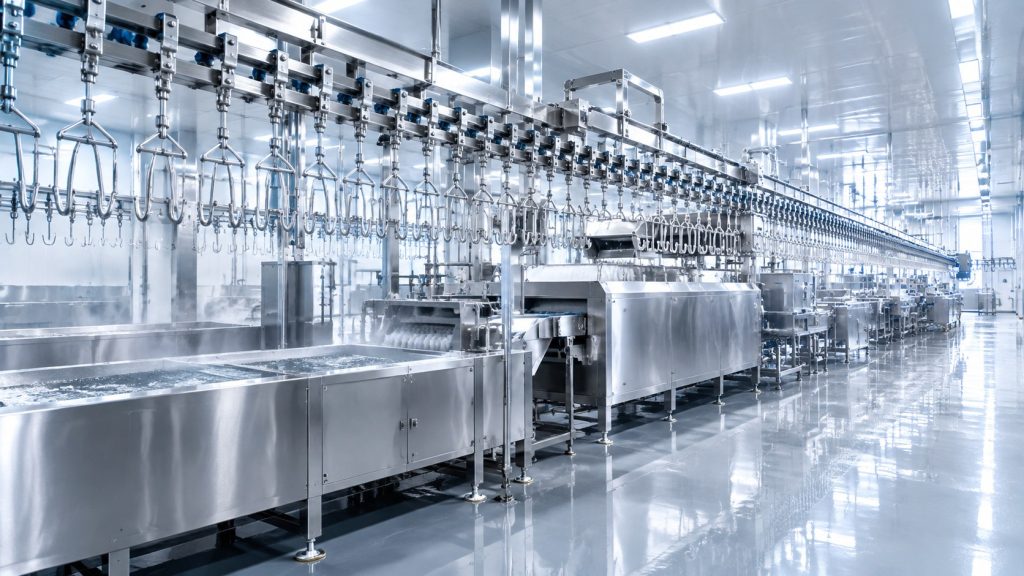 PoultryComplete Poultry Slaughter Line SolutionsHanging, scalding, plucking, evisceration and chilling on one continuous line.View solution →
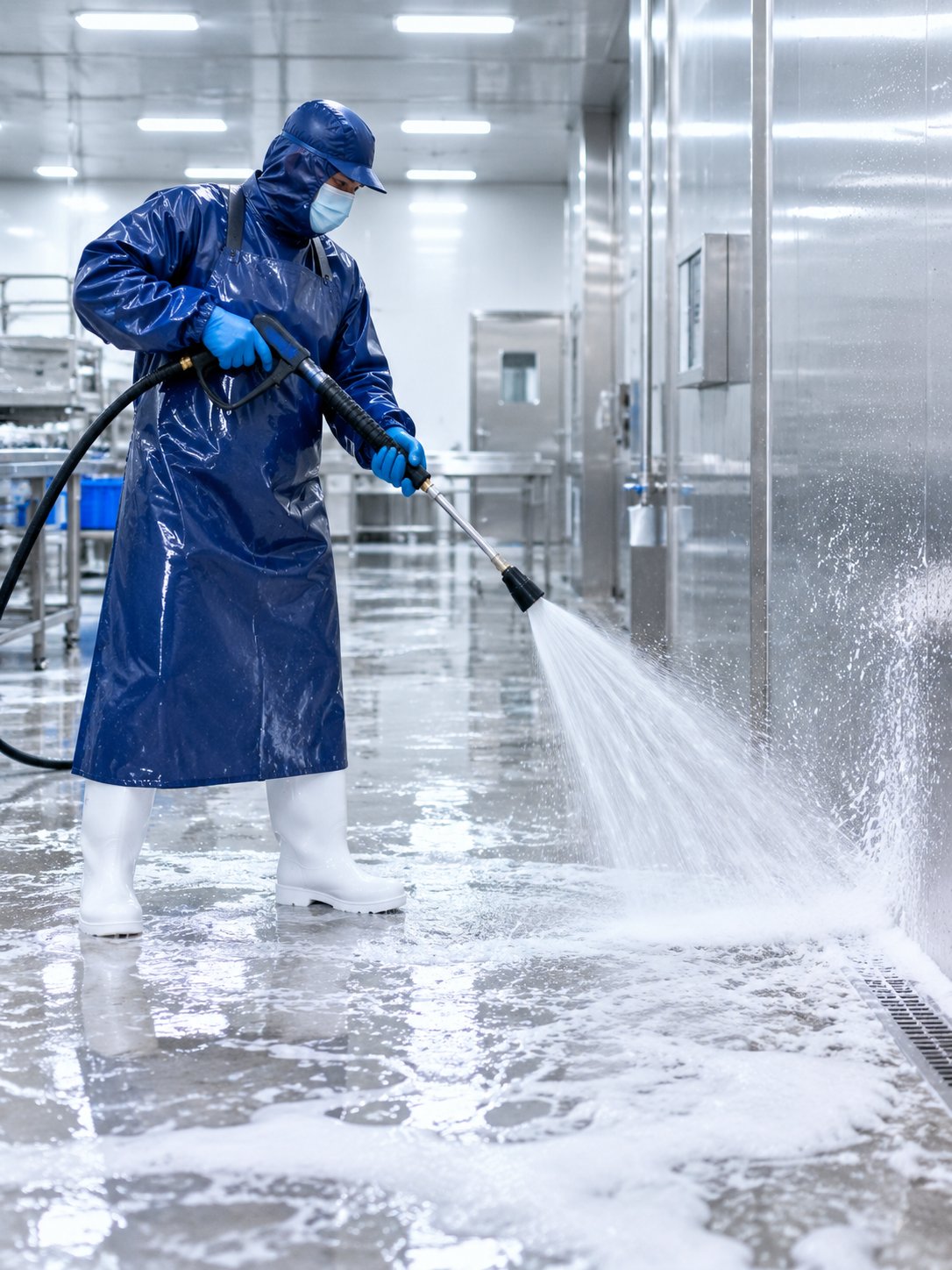 CleaningFood Industry Cleaning Equipment SolutionsFoam, CIP and washdown systems for food-contact surfaces and drains.View solution →
 IceIce Making Equipment SolutionFlake and tube ice for pre-chilling, chilling tanks and cold chain.View solution →