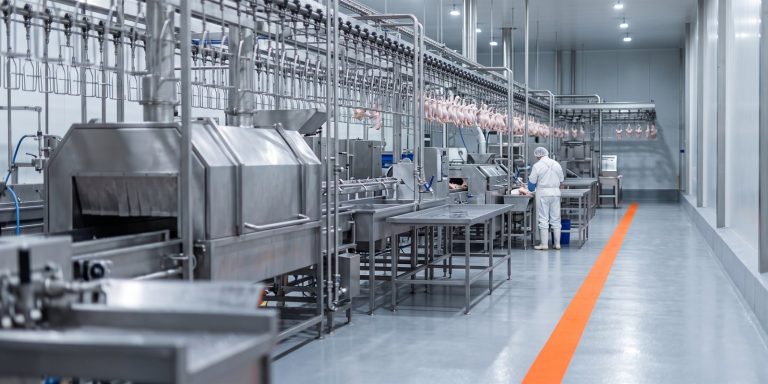
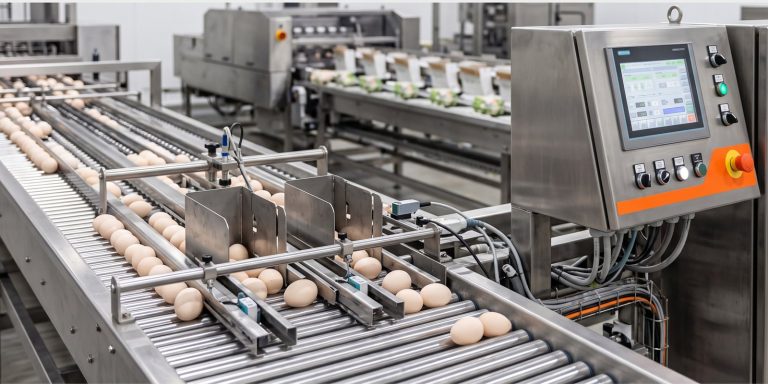
NPW Poultry Slaughter Systems · Qingdao, China
Two Line FormatsOne Complete Process
From 100 birds an hour on a single containerised skid to 6,000 BPH on a fully modular plant. NPW engineers and builds the whole sequence — hanging, sticking, scalding, plucking, head and feet cutting, evisceration, lung suction, carcass washing, pre-chilling, dripping, portioning, packaging, metal detection and cold storage — then ships it with the layout, utilities and wear parts already planned.
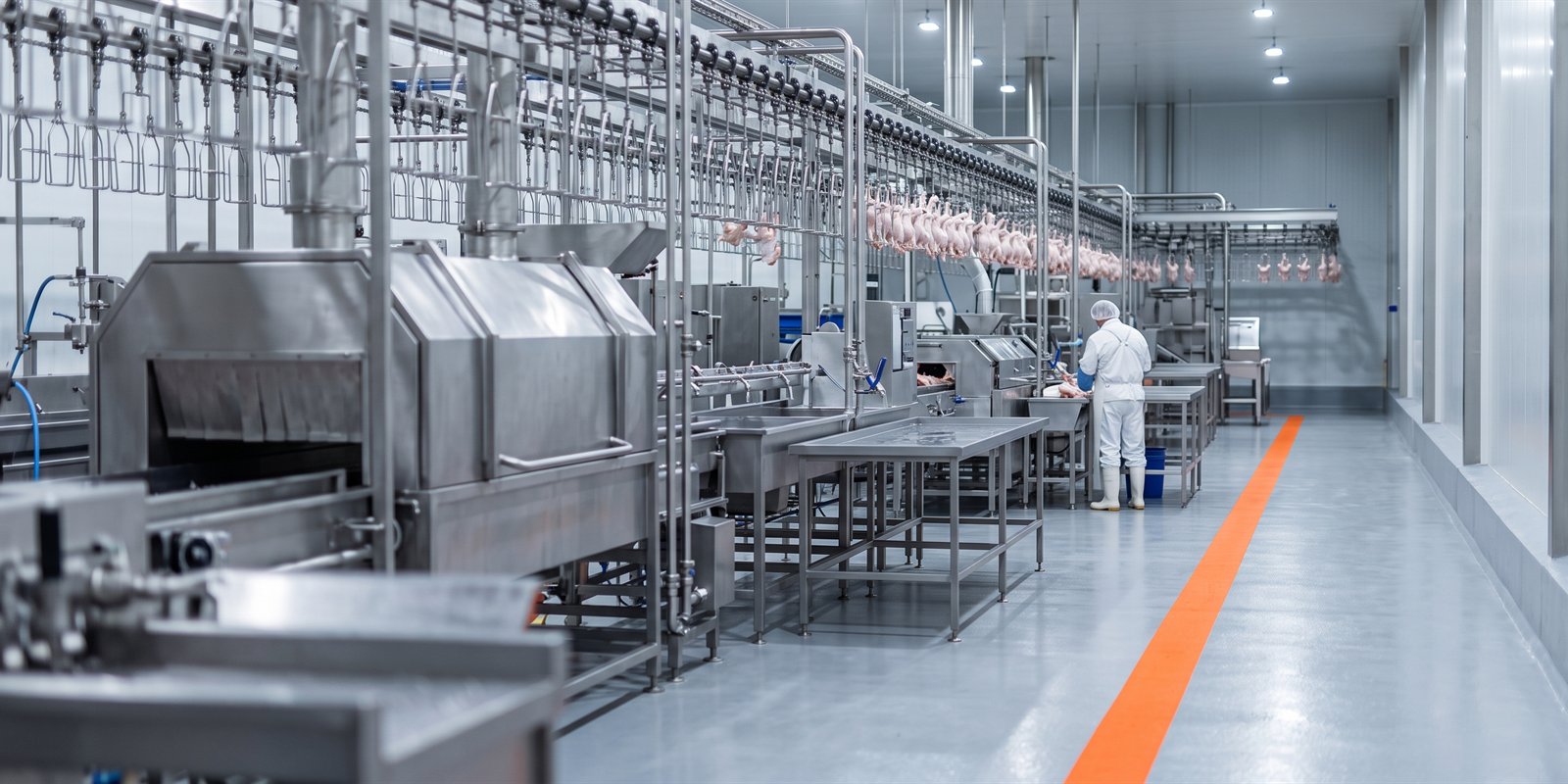
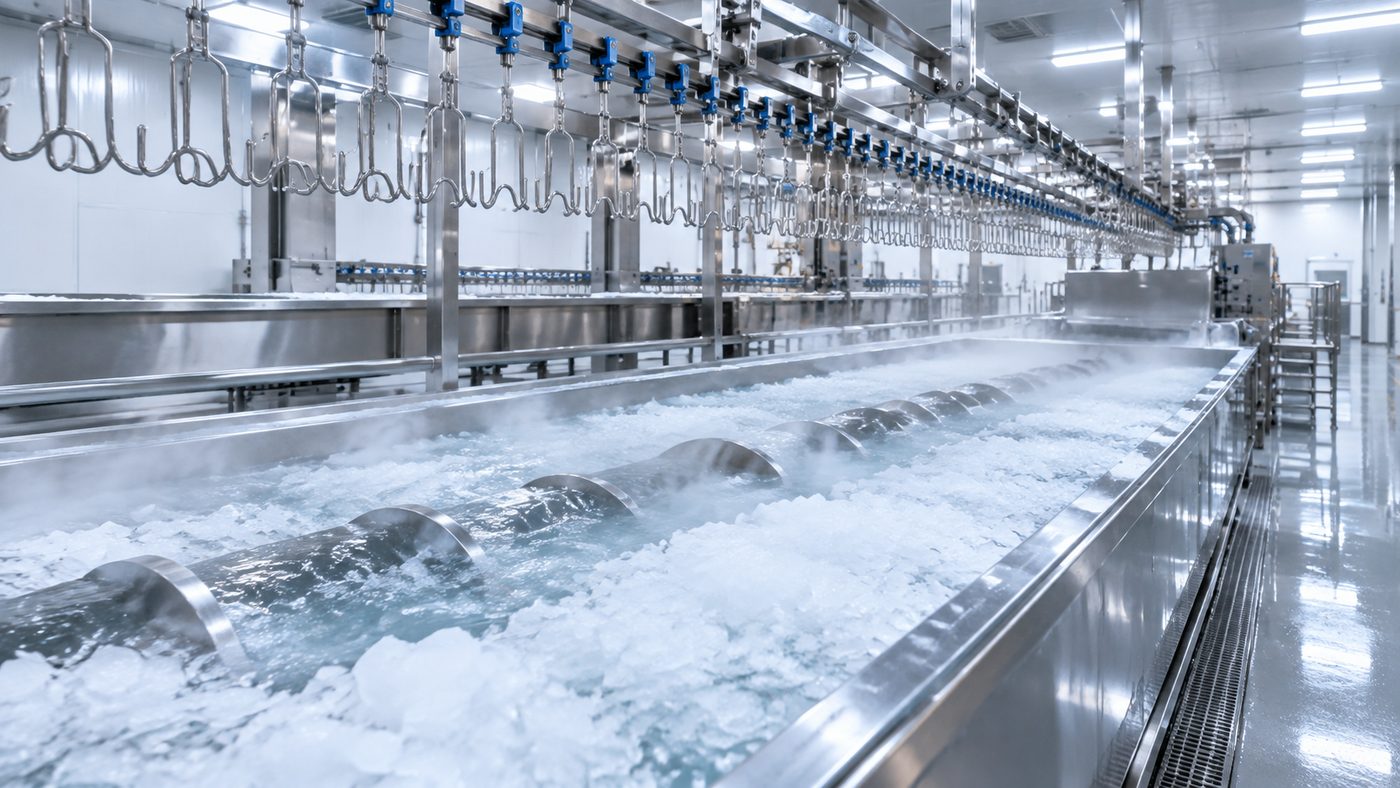
From Live Bird To Cold Store
A poultry line is only as good as its weakest station. Under-size the scalder and the pluckers tear skin; skip lung suction and retail buyers reject the batch; mis-size the chiller and drip loss eats the margin. We size every station against the same target line rate, then hand you one specification sheet.
Eight Failure Points On Poultry Lines
Most of these are decided at specification stage, not on the plant floor — which is exactly where an NPW engineer starts.
⚠ What Goes Wrong On An Under-Specified Line:
- An under-sized scalder leaves pinfeather carryover, so the plucking line runs the same birds twice
- Scald temperature drift of 2–3°C breaks skin, increases water uptake and shortens shelf life
- No lung suction means residual lungs and clots survive washing — the first thing an inspector flags
- Evisceration run manually with no support equipment turns one station into the line bottleneck
- Ice-water chilling that cannot hold 4°C core puts Salmonella and Campylobacter control at audit risk
- Skip the dripping stage and 1.5–3% of saleable weight leaves the plant as free water in the pack
- Cut-up without a portioning standard gives inconsistent tray weight and silent giveaway on every pack
- A line bought from six suppliers means six lead times, six spare-part catalogues and nobody accountable for throughput
Compact Skid Or Standard Plant Line
The dividing line is around 800 birds per hour. Below it, integration and speed of commissioning win. Above it, station-by-station modularity and automation win. Same 14 stages either way.
Compact Slaughter Line
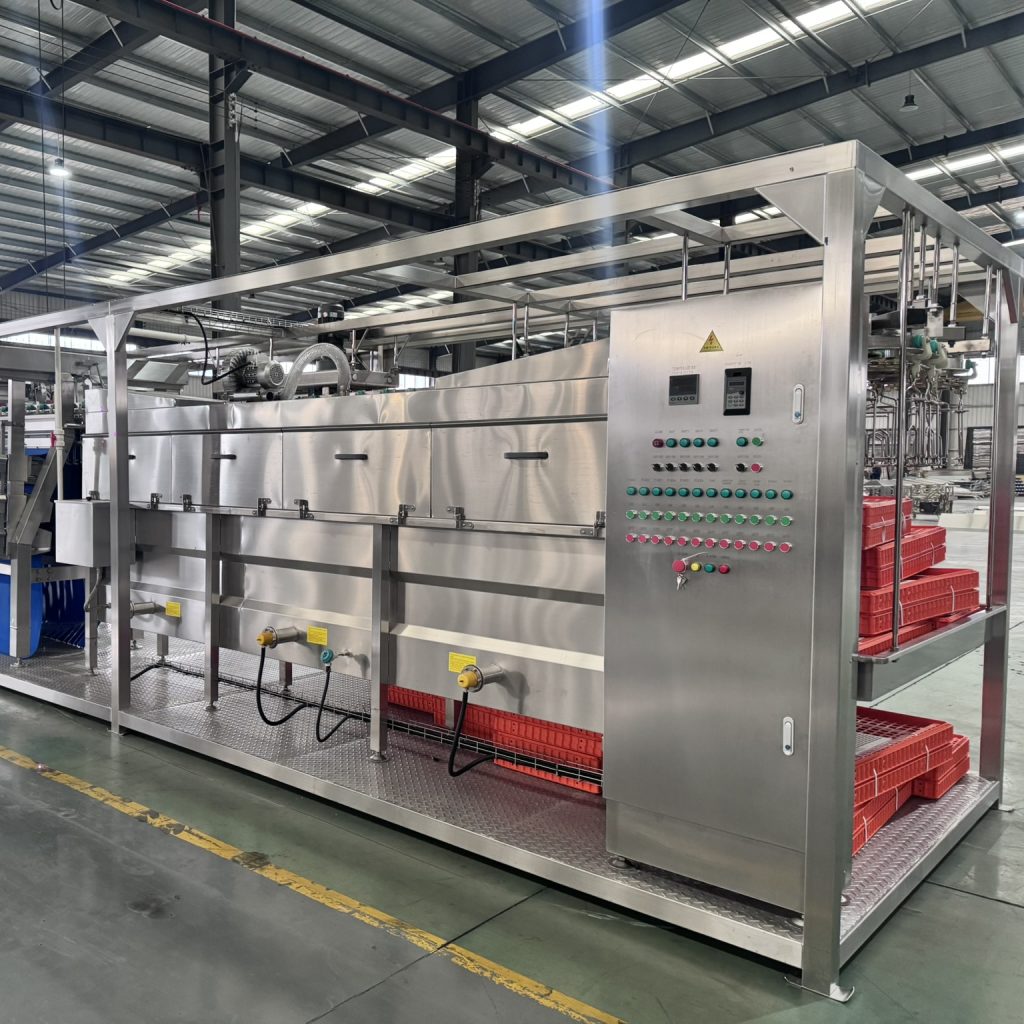
One integrated system that combines scalding and plucking on a single skid, with the sticking, head-cutting, evisceration and chilling stations arranged around it. Delivered in one or two 40HQ containers, commissioned in days, and driven by a small boiler and a modest water supply.
- Live receiving and manual or automatic hanging
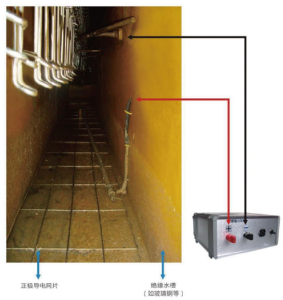
- Electric stunning with adjustable frequency and bleeding trough
- Combined scalding tank and plucking machine — the core of the skid
- Head and feet cutting, evisceration and lung suction
- Carcass washing, pre-chilling and dripping
- Weighing, and cut-up or whole-bird packing at the end table
Standard Slaughter Line
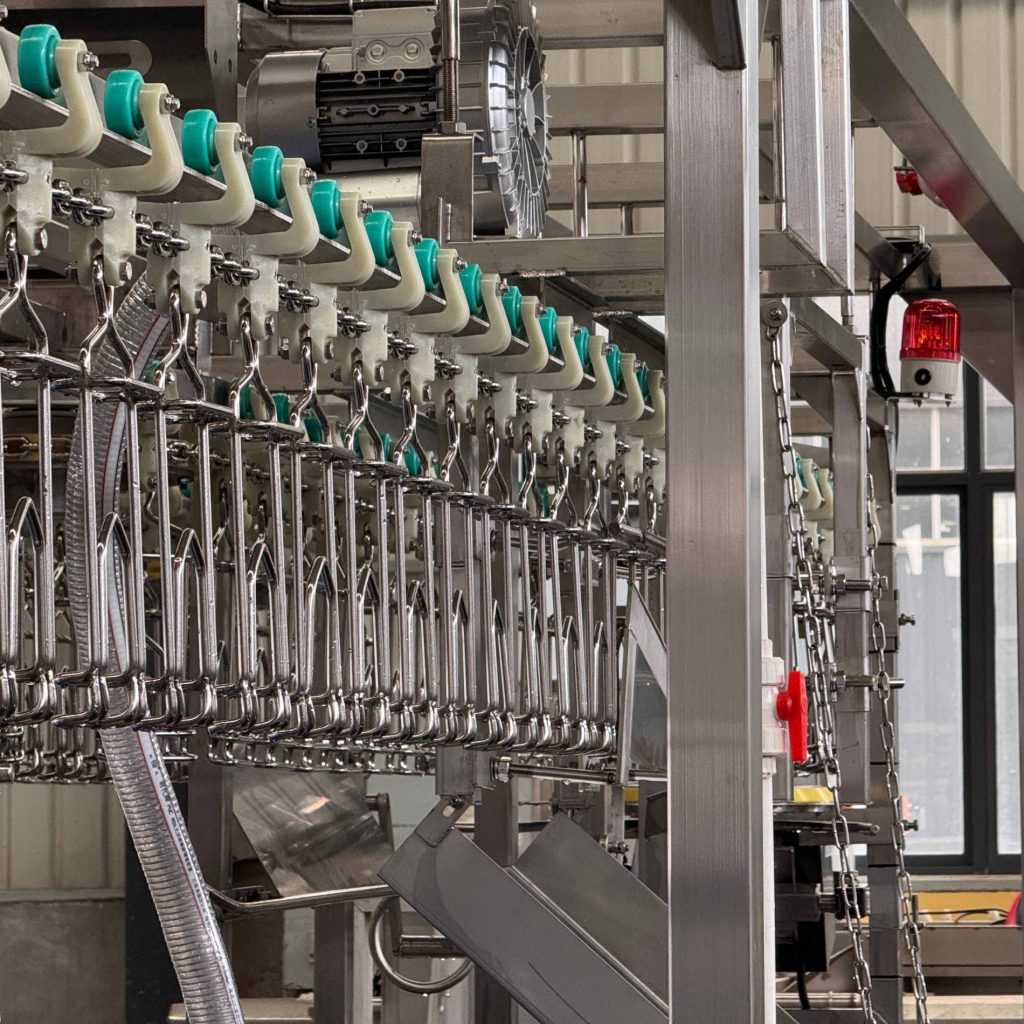
A modular plant line built station by station: tunnel or batch scalding, multi-stage plucking with dedicated head, neck and tail units, mechanical opening and drawing, vacuum lung extraction, air-wash carcass cleaning, ice-water or air chilling, automatic weighing and grading, cut-up, MAP or vacuum packing and metal detection feeding the cold store.
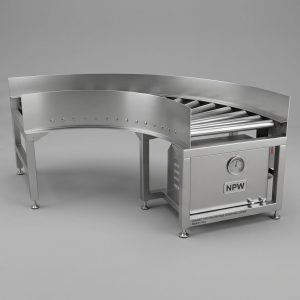
- Overhead conveyor rail throughout, with corner and split conveyors
- Tunnel or high-humidity hot-air scalding with closed-loop temperature control
- Rough, fine, head-neck and tail plucking in sequence
- Automatic head and feet cutting with unloading and hook cleaning
- Evisceration support, lung suction and net-chain carcass washing
- Pre-chilling, dripping, weighing and PLC grading
- Nine-piece cut-up, deboning stations, MAP packing and metal detection
The 14-Stage Poultry Slaughter Sequence
Every stage is a station we size, supply and install. Click any stage to jump straight to the machines we build for it.
Stage numbers match the equipment sections below and the plant layout blueprint. Line rate is set by the slowest station — send us your birds per hour and average live weight and we will balance every stage against it.
Reference Plant Layout & Zoning
An indicative single-line arrangement for a 2,000 BPH broiler plant. Yours is drawn to your land, bird weight, shift pattern and local hygiene rules — and it is free with an enquiry.
Broiler Plant — Zoning Diagram
≈ 1,500 m² processing hall · 2,000 BPH · one-way product flow · NW ↑
Birds, staff, water and waste never cross. The clean side runs at positive pressure against the kill hall so air always moves dirty to clean.
1.5–2% floor fall to stainless channel drains, washable cladding to ceiling height, no ledges or dead pockets where protein can dry.
Boiler output, chiller duty, water treatment and effluent capacity are calculated from the line rate — before the building is drawn, not after.
Send your land dimensions, bird weight and target BPH — we return a marked-up layout with the full utility list.
Free Layout Design →Pick A Line Rate, We Balance The Stations
Tap your target output and tell us the bird weight. We return the station set, container count, utility list and a factory-direct quotation.
60 Machines, Grouped The Way The Line Runs
Organised by process stage rather than by catalogue, so you can specify a line station by station. Every card opens the live product page with full specifications.
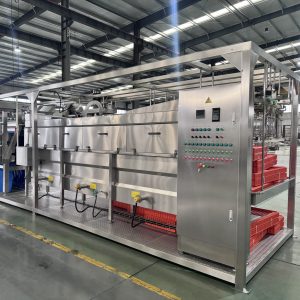
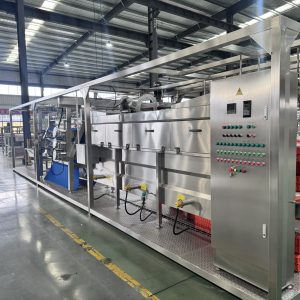
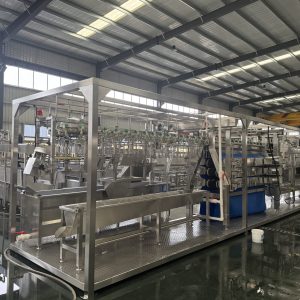
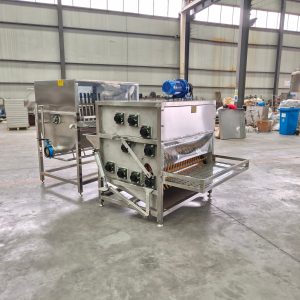
Complete Lines & Combined Machines
Turnkey packages · Containerised plants · Farm-gate throughput
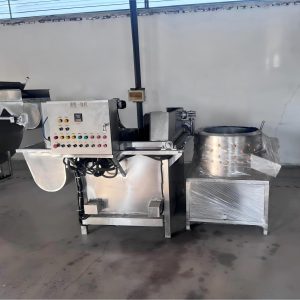
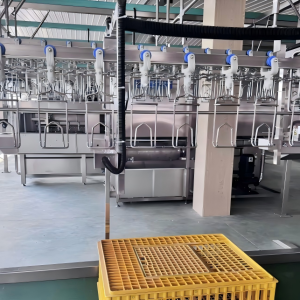
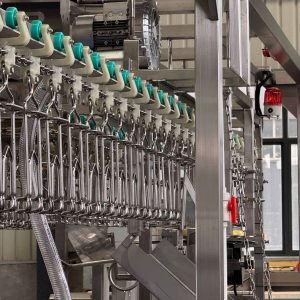
Hanging Line & Live Bird Reception
Cage unloading · Conveyor · Shackling · Overhead rail
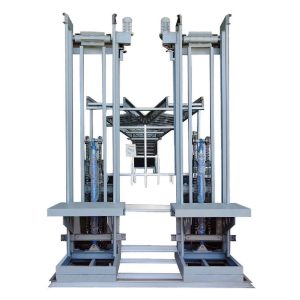
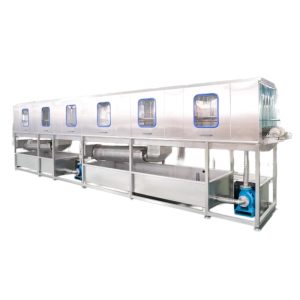
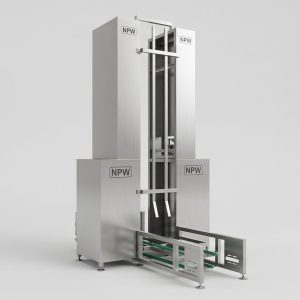
Stunning, Sticking & Bleeding
Controlled stun · Bleeding conveyor · Blood collection
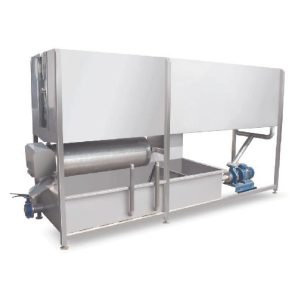
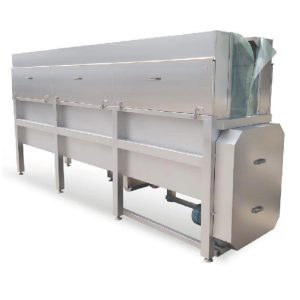
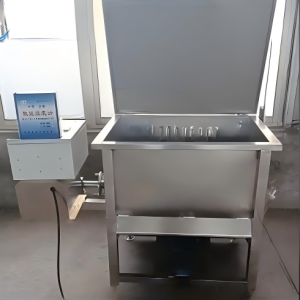
Scalding System
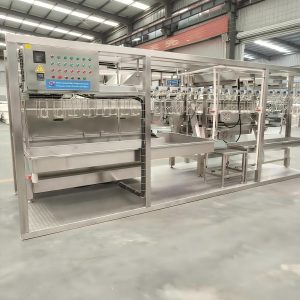
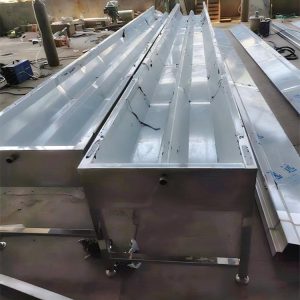
Batch & tunnel scalder · Hot-air scald · Spray · Temperature control
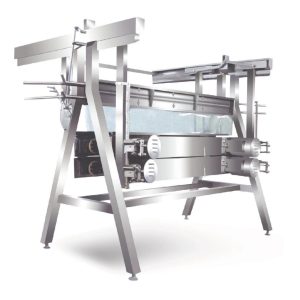
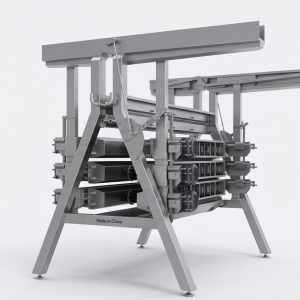
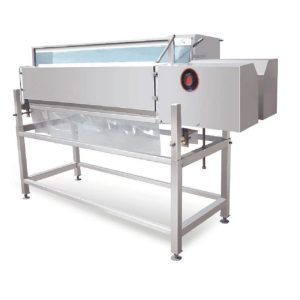
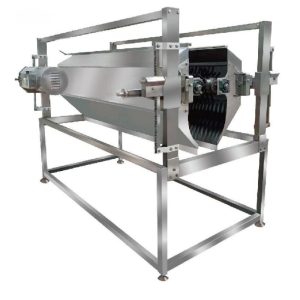
Plucking & Defeathering
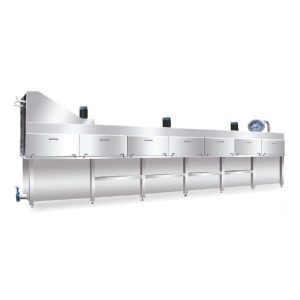
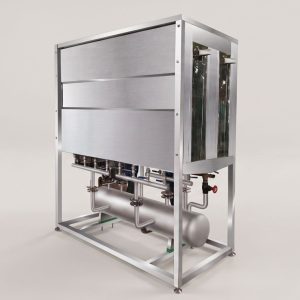
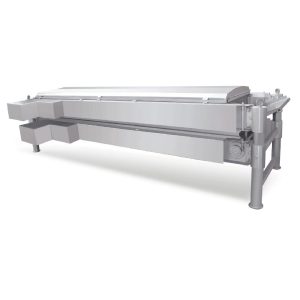
Rough pluck · Fine pluck · Head, neck & tail stations · Hook cleaning

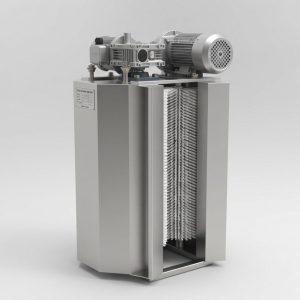
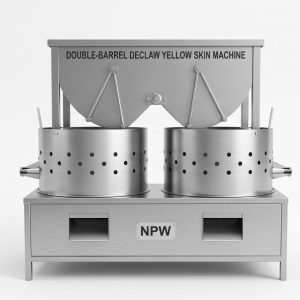
Fine Feather, Wax & Rosin Finishing
Duck & goose processing · Wax dip · Cooling pool · Automatic dewaxing

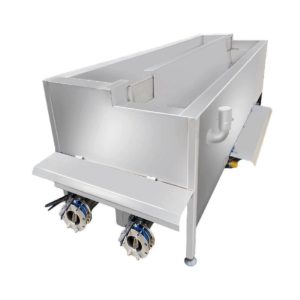
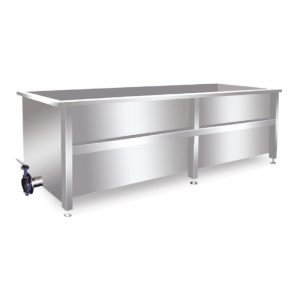
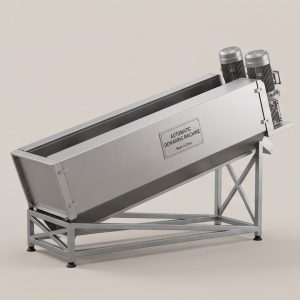
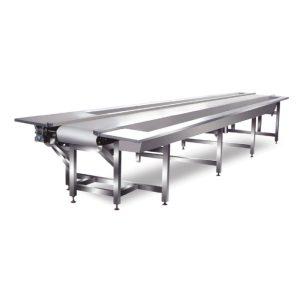
Head & Feet Cutting
Automatic head cut · Foot cut · Unloading · Rotary four-knife cut

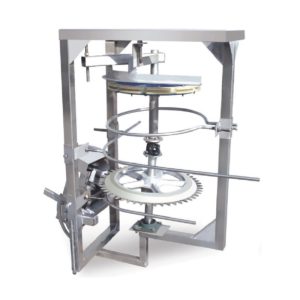
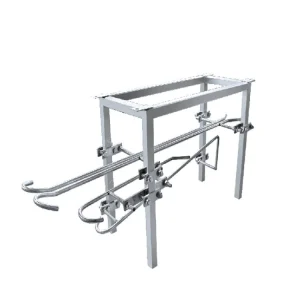
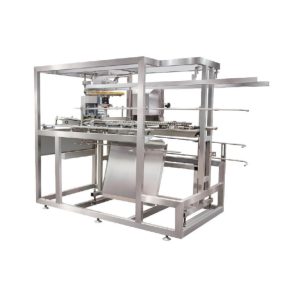
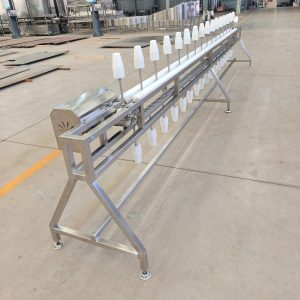
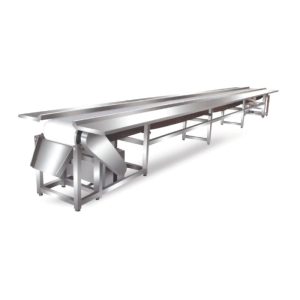
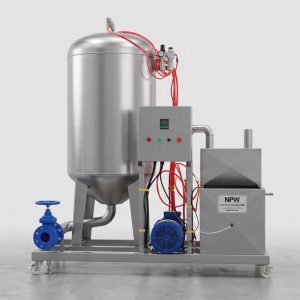
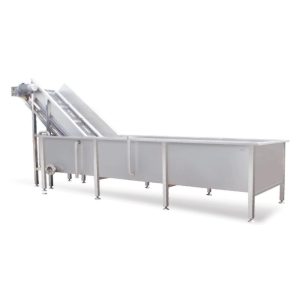
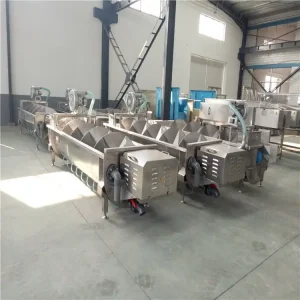
Evisceration, Lung Suction & Carcass Washing
Opening & drawing · Vacuum lung extraction · Air-wash cleaning
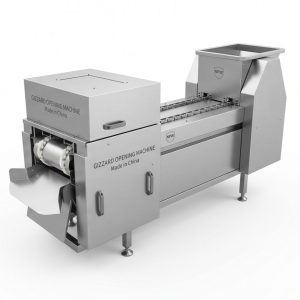
Offal & By-Product Processing
Gizzard · Feet & claws · Esophagus · Heads · Pumped conveyance
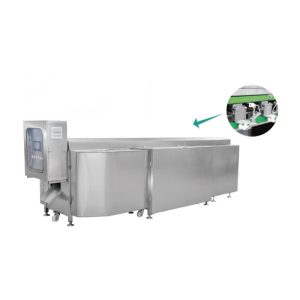
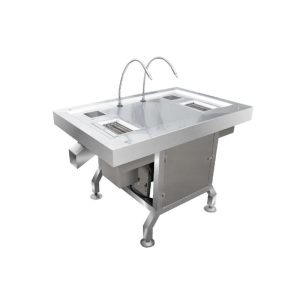
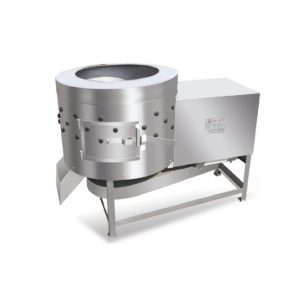
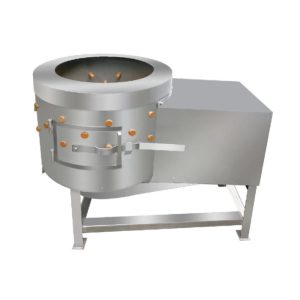
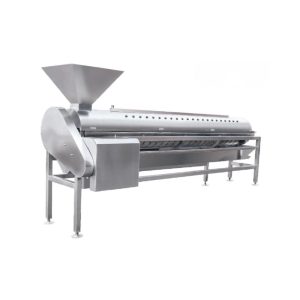

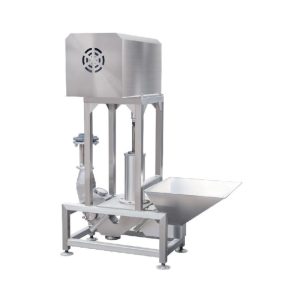
Pre-Chilling, Weighing & Grading
Spiral & drum pre-cool · Head and feet chill · Auto weigh · PLC grading
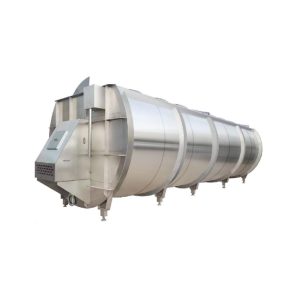

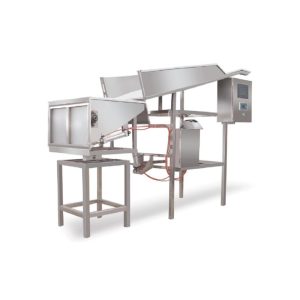
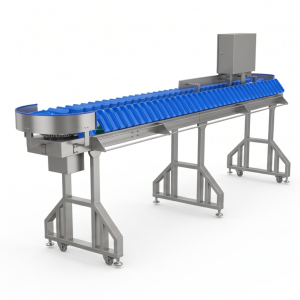
Dripping, Cutting & Portioning
Surface-water removal · 9-piece cut-up · Deboning workstations
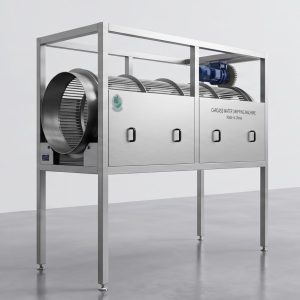
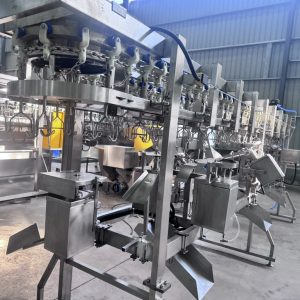
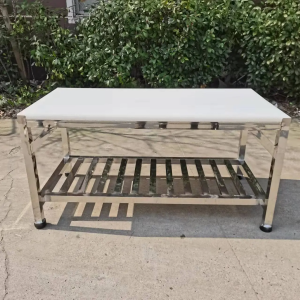
Packaging, Metal Detection & Cold Chain
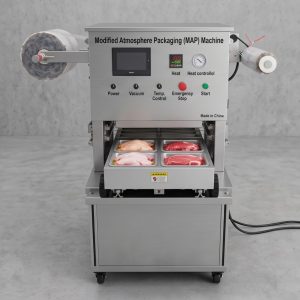
MAP gas flush · Vacuum & tray packing · Foreign-body detection · Cold store
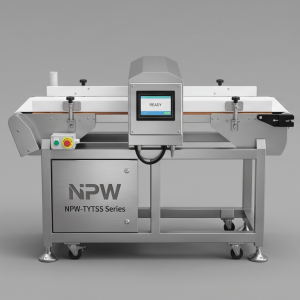
NPW Lines In Operation
Installation, commissioning and running shots from compact skids and standard plants we have delivered.
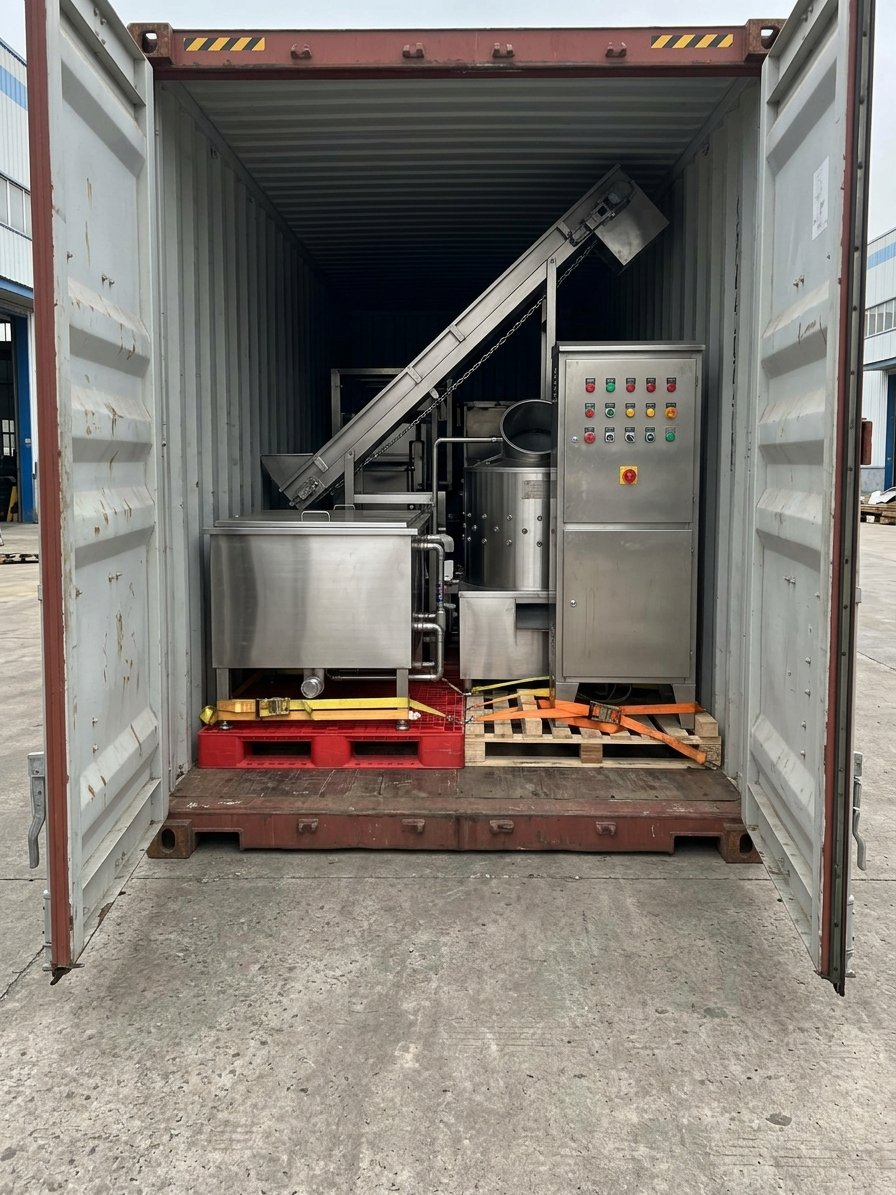
Containerised Line, Loaded
A compact line packed into a 40HQ with doors open, showing the containerised format.
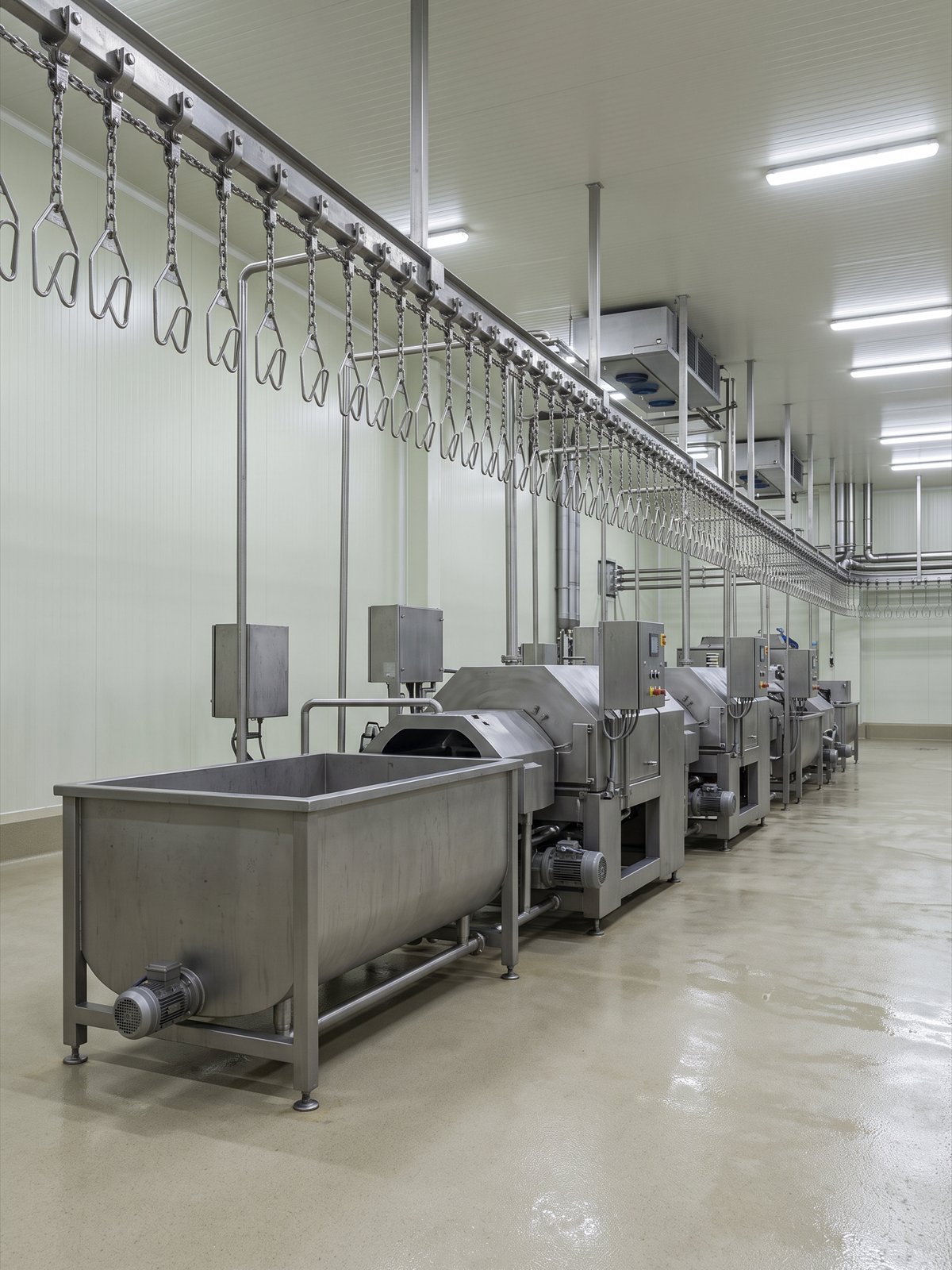
Scald And Pluck Row
Tunnel scalder feeding the plucker row inside a completed plant hall.
Commissioning On Site
An NPW engineer setting line speed or training operators on site.
Evisceration And Lung Suction
Working stations after plucking, with carcasses on the rail.
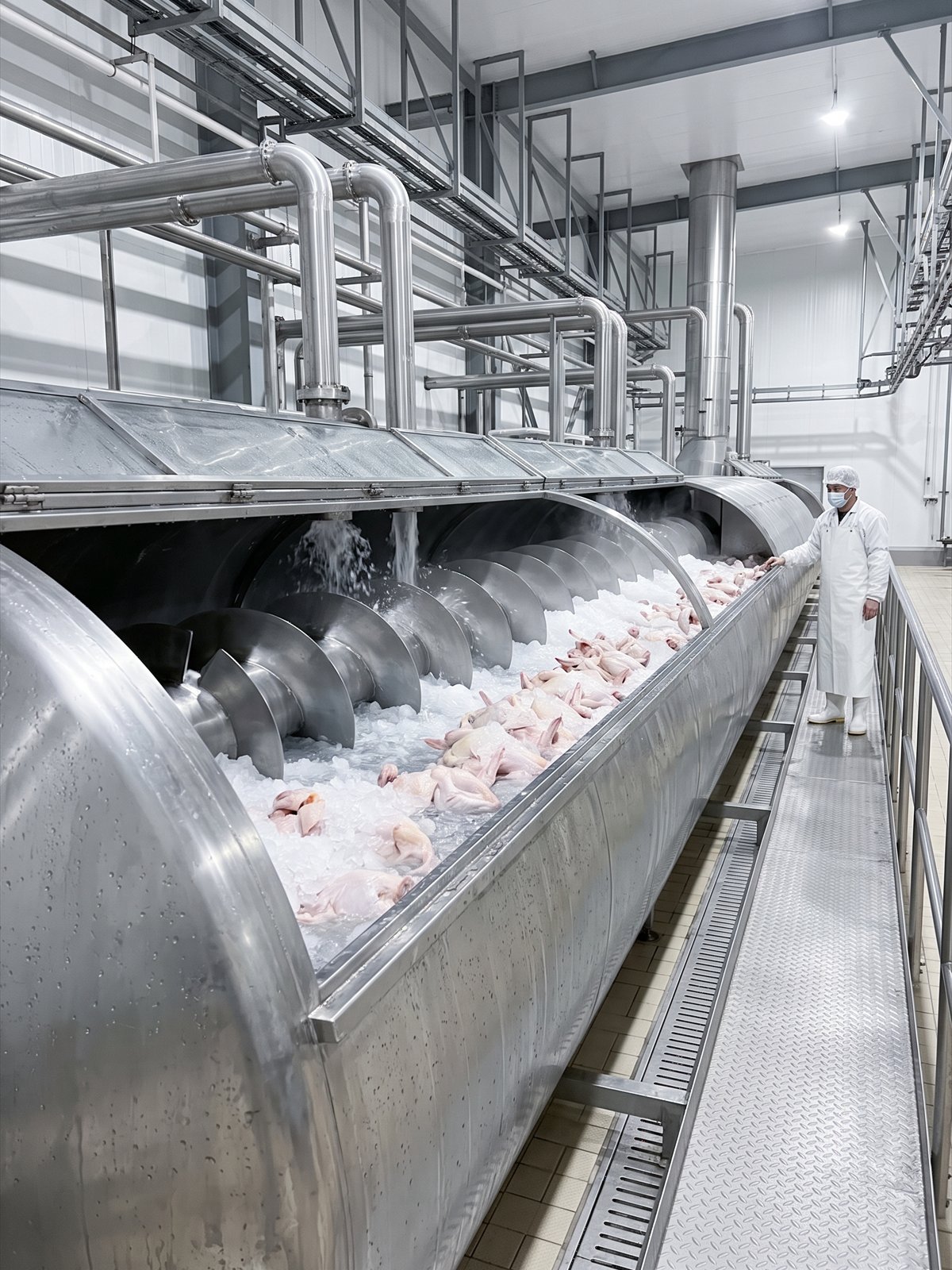
Chilling And Cold Store
Spin or ice-water chiller, or the cold and quick-freeze store doors.
Cut-Up And Packing Hall
Portioning, weighing and MAP packing at the clean end of the line.
Why Buy A Line From An Equipment Manufacturer
We make the machines, so we set the specification — and we remain responsible for what the line actually delivers.
Single accountability
One engineer owns the line specification, layout, utility list, container plan and spare-part schedule — not six suppliers pointing at each other.
Stations sized to your bird
Scald time, plucker finger count, chiller duty and cut-up rate are all recalculated for your live weight and breed, not copied from a catalogue line.
Containerised for remote sites
Compact lines ship in one or two 40HQ containers and install with local labour and a phone call, which is why they suit island and rural plants.
Wear parts on the same order
Rubber plucking fingers, shackles, chains, brushes and blades ship with the line, so you do not stop in week three waiting for consumables.
Layout before construction
We send marked-up drawings, floor loads, drain positions and utility routing so the building is poured around the line, not the other way round.
Operator training included
Commissioning covers line speed setting, scald temperature control, evisceration hygiene, sharpening routines and the daily CIP cycle.
Paperwork That Survives The Inspection
Certificates, material declarations and test records supplied with each shipment for customs clearance and retail audits.
What We Need To Size Your Line
Send these six items and a named NPW engineer returns a station list, layout sketch, utility schedule and quotation within 24 business hours.
- Line rate — birds per hour and shifts per day
- Bird type — broiler, layer, spent hen, duck, goose or turkey
- Live weight — average and range in kilograms
- Site — building size, ceiling height and floor load
- Utilities — power supply, water source and boiler fuel
- End product — whole bird, cut-up, packed or frozen
FAQ
A compact line integrates scalding and plucking on one skid and is built around 100 to 800 birds per hour, so it ships in one or two containers and commissions in days. A standard line separates every station — tunnel scalder, multi-stage pluckers, mechanical evisceration, spin or air chilling, grading, cut-up and packing — which is what lets it run 800 to 6,000 BPH across two or three shifts. Above about 800 BPH the compact format cannot keep the scald and pluck stages balanced, so we move you to the modular line.
Yes, with the right station set. Ducks need pre-scald fluffing, a longer scald, rough and fine plucking in sequence, and wax dipping with a cooling pool and dewaxing machine to remove the pinfeather that rubber fingers leave behind. Tell us the species mix and we size the defeathering section for the harder bird, not the easier one.
Ice-water or spin chilling is faster and gives you the shrink and temperature control most export specifications demand, but it needs flake ice capacity and water treatment. Air chilling uses less water and gives firmer skin for whole-bird retail, at the cost of longer dwell time and more floor space. Send us your end product and we recommend one rather than quoting both.
On any plant selling to retail, food service or export, yes. Lungs cannot be removed by hand reliably at speed, and residual lung tissue with blood clots is a standard rejection reason at inspection and a spoilage driver on the shelf. The machine is small, sits after evisceration and pays for itself in the first month of accepted consignments.
A compact 100 to 800 BPH line works from about 200 square metres of processing hall plus lairage and cold storage. A 2,000 BPH standard plant is typically 1,200 to 1,800 square metres of hall, and a 6,000 BPH line 2,500 square metres or more. These are starting points — send us your land dimensions and we will draw the line into your actual building instead of telling you what to build.
Steam for scalding and washing, potable water at sufficient pressure for the scald, chill and CIP circuits, chilled water or an ice machine for pre-cooling, three-phase power sized to the installed motor load, and an effluent route to a treatment system. We give you the full load list — kW, m³ per hour, tonnes of steam per hour — before construction so nothing is retrofitted.
Yes. We dispatch engineers for installation, commissioning and operator training, covering line speed setting, scald temperature control, evisceration hygiene, blade sharpening routines and the daily CIP cycle. Remote support and a wear-parts schedule continue after the engineers leave.
Machines, rails, drives, control panels and stainless worktops ship from us. Long rails, cold-room panels, civil works, boilers and large water treatment can be sourced locally to save freight — we supply the foundation drawings, interface dimensions and specification so your local contractor builds to our line, not to a guess.
Get Your Poultry Line Specification
Tell us your capacity, bird type and site conditions — an NPW engineer returns a station list, layout sketch, utility schedule and quotation within 24 hours.
Tell Us About Your Line
- Line rate: 100–800 BPH compact or 800–6,000 BPH standard
- Bird type: Broiler / layer / spent hen / duck / goose / turkey
- Live weight: Average and range in kilograms
- Site: Building dimensions, ceiling height, floor load, country
- Utilities: Power supply, water source, boiler fuel available
- End product: Whole bird, cut-up, MAP packed or frozen
- Timeline: Target commissioning date and budget range
Talk To Your Engineer
Every NPW solution is handled end to end by one named engineer — capacity sizing, layout drawings, configuration lists and shipping schedules. Reach out directly and you will speak to the person responsible for your line, not a call centre.