Big Animals, Valuable By-Products, No Room For Sloppy Work
Cattle and sheep plants rarely lose money on throughput. They lose it on a hide cut open by hand, a spine split crooked, a head that could not be sold, and an inspection the veterinarian refused to sign. This page walks through the nine places that margin leaks out — and the 37 machines we build to close them, separated into cattle work and sheep & goat work because the two species need different handling after the bleed.
Three Differences That Change The Whole Specification
- Skin comes off whole, or the value goes
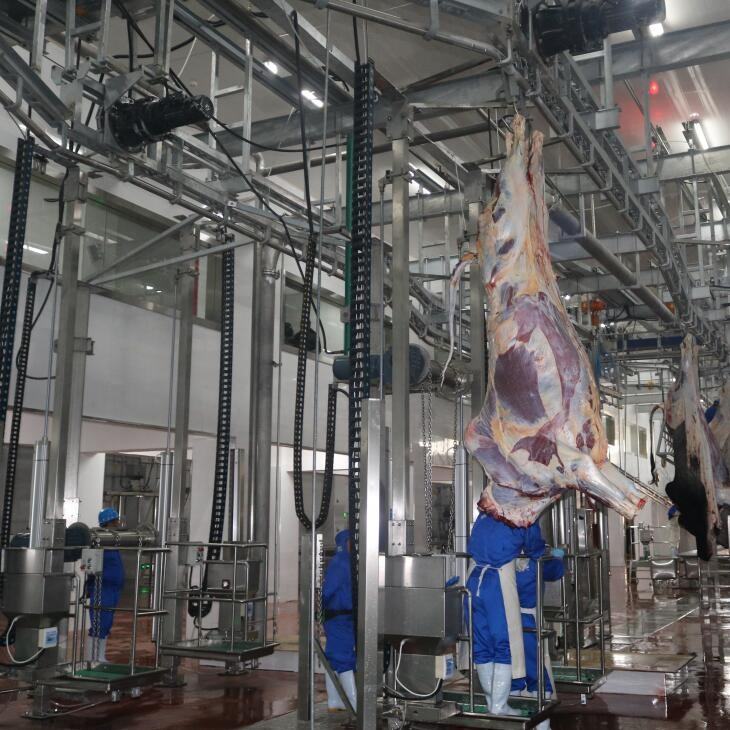
Poultry is plucked; cattle and sheep are skinned or dehaired with the hide intact. A hide with knife cuts, bruises or remaining fat sells at a scrap price, so restraint, pre-stripping and pulling equipment matter more here than line speed.
- Wool needs a scald, bristle needs rollers
Sheep carry fleece, goats carry hair and pigs carry bristle — each needs its own temperature band and its own machine. Get the scald wrong and the skin is cooked before the first roller touches it.
- The head, feet and stomach are the profit centre
On many markets the tongue, brain, trotters, tripe and casing are worth more per kilo than the carcass. A plant without dedicated head, hoof and offal rooms throws that money into the drain.
Nine Problems A Cattle & Sheep Plant Has To Solve
Every one of these has been watched costing a plant money. Under each problem sits the equipment we build for it.
A kicking animal at the sticking point
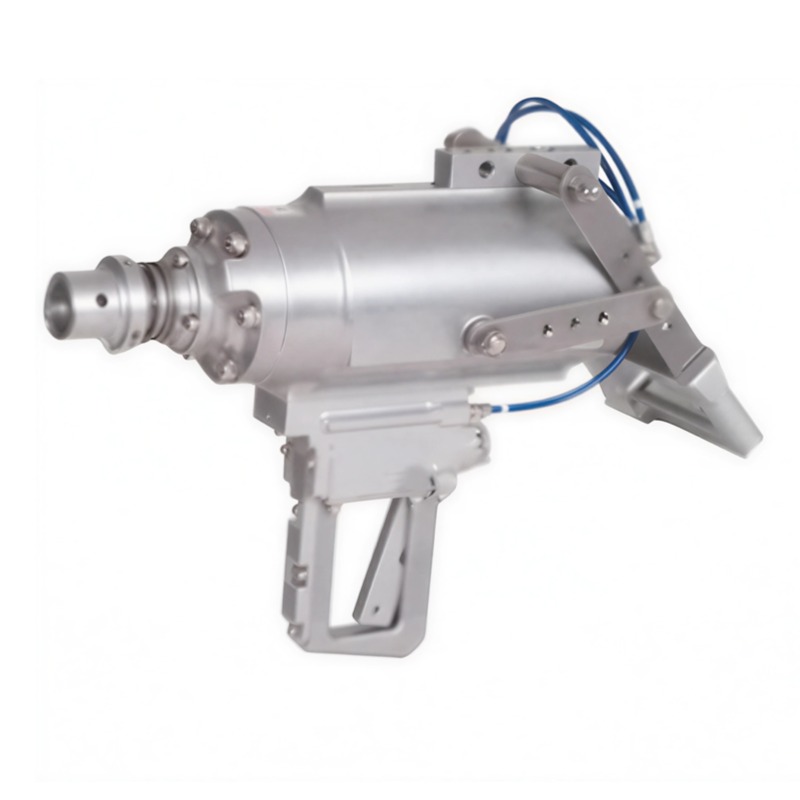
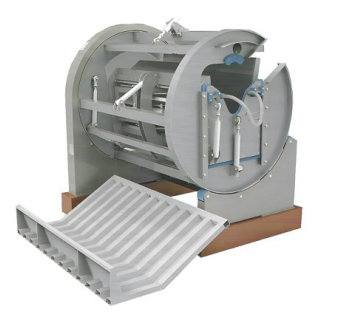
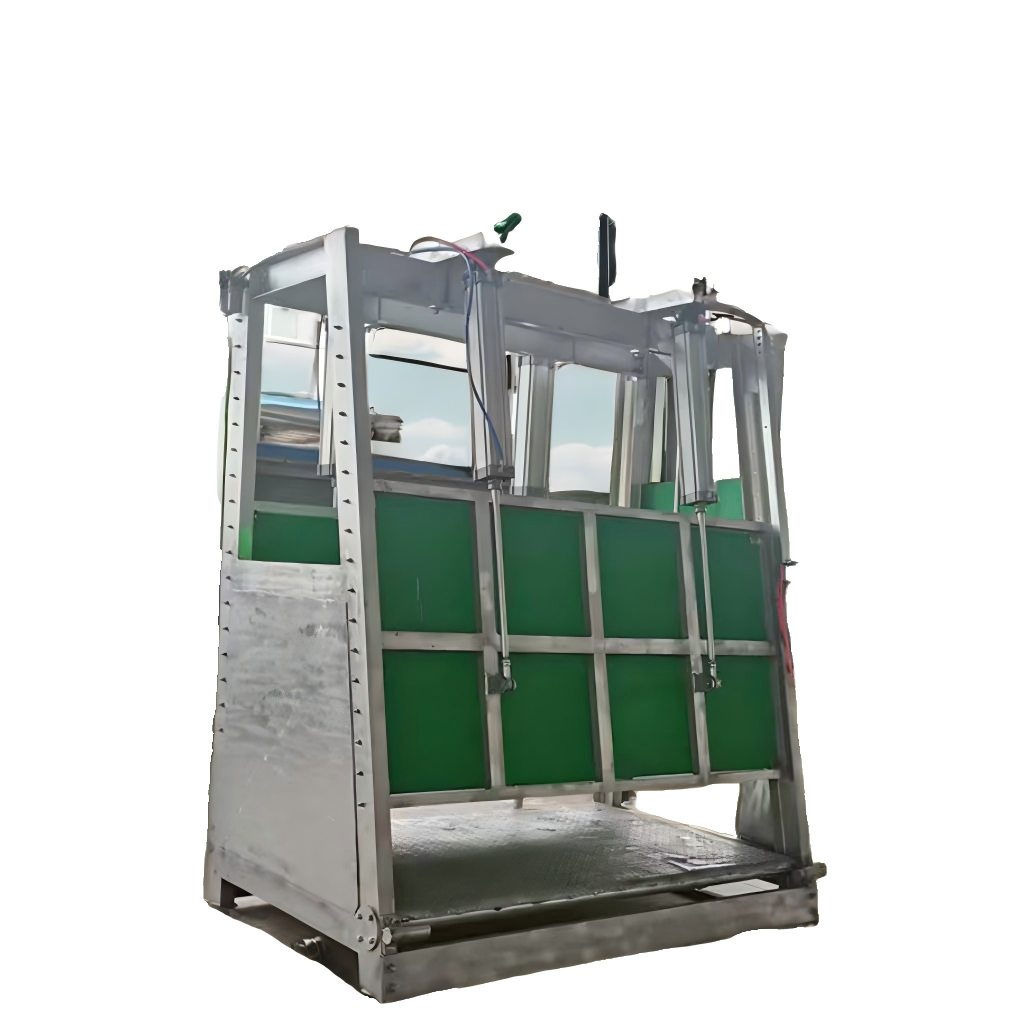
An unrestrained bovine is an accident waiting to happen and a ruined religious certificate. Tipping boxes, ritual killing boxes and guiding equipment hold the head and body so the slaughterer works from one fixed position — calmer bleed, safer crew, valid rite.
A hide cut open is a hide sold at scrap
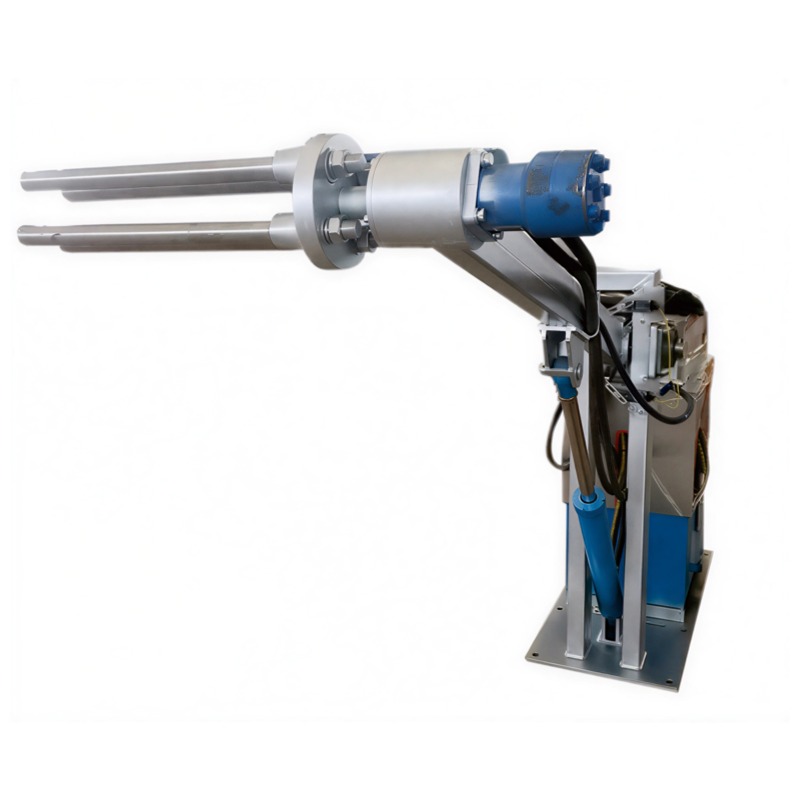
Hand-flaying leaves knife cuts and bruised grain that no amount of salting repairs. Hydraulic and pneumatic pulling heads grip at the legs and separate the skin along its natural plane, so the hide leaves whole and grades higher.
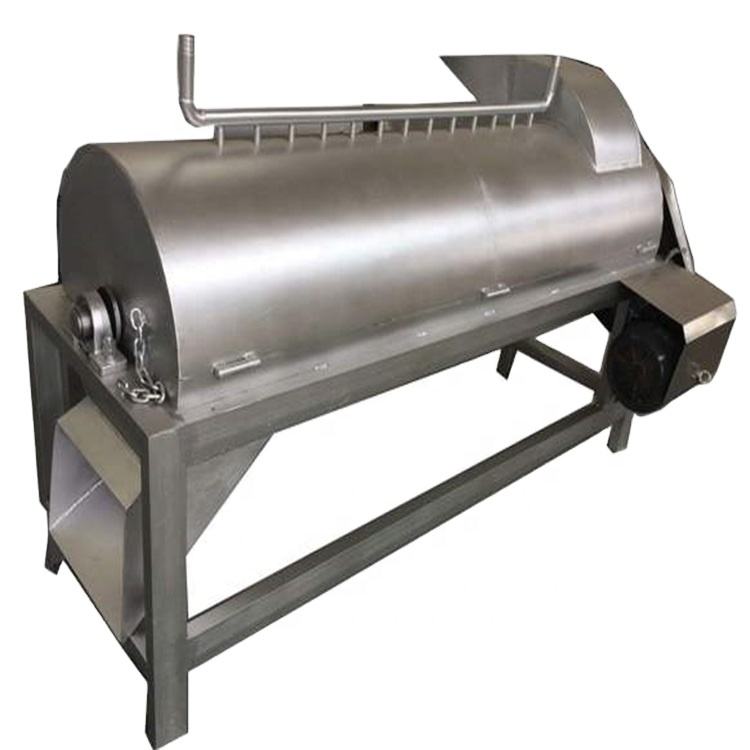
Scald too hot and the skin is cooked
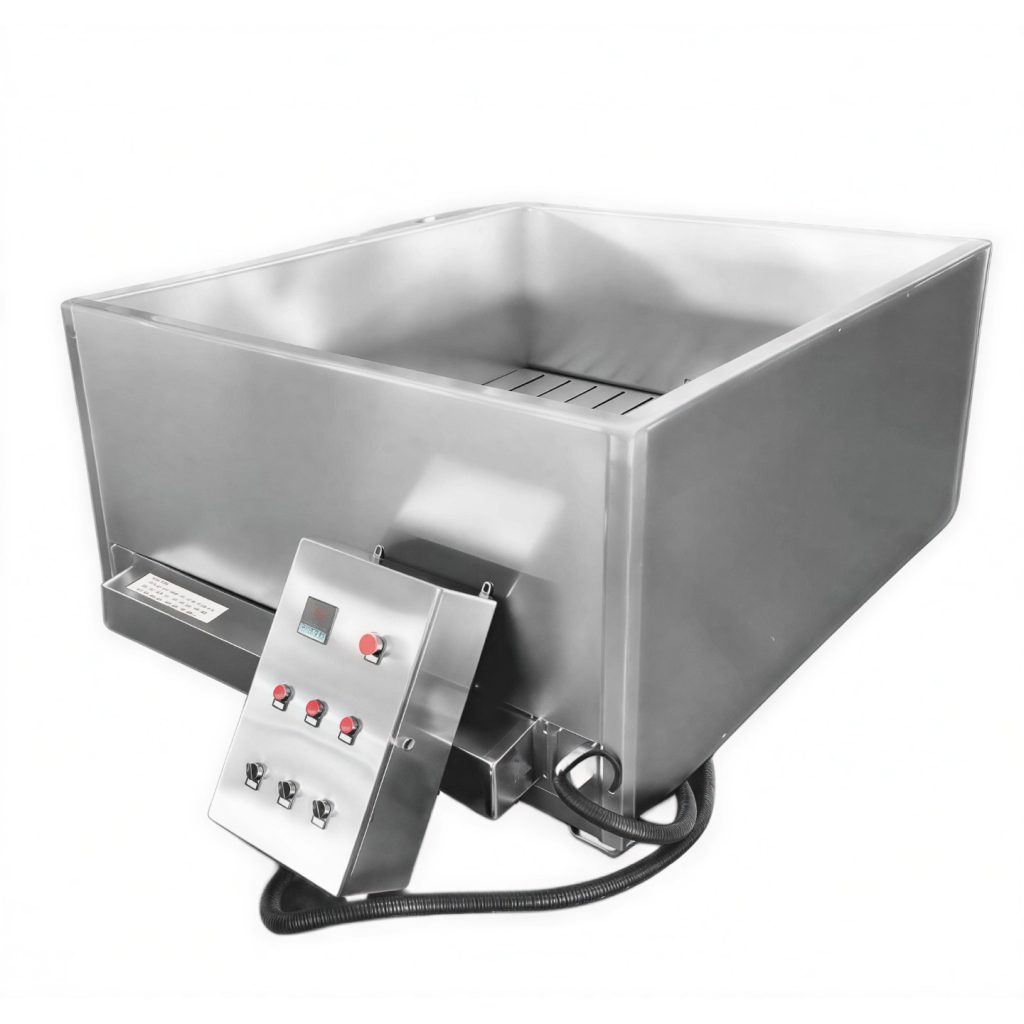
Sheep need a held temperature band, not a guess. Constant-temperature scalding tanks paired with dual-roller debristling and dedicated head, hoof and dewclaw machines remove fleece without damaging the skin underneath.
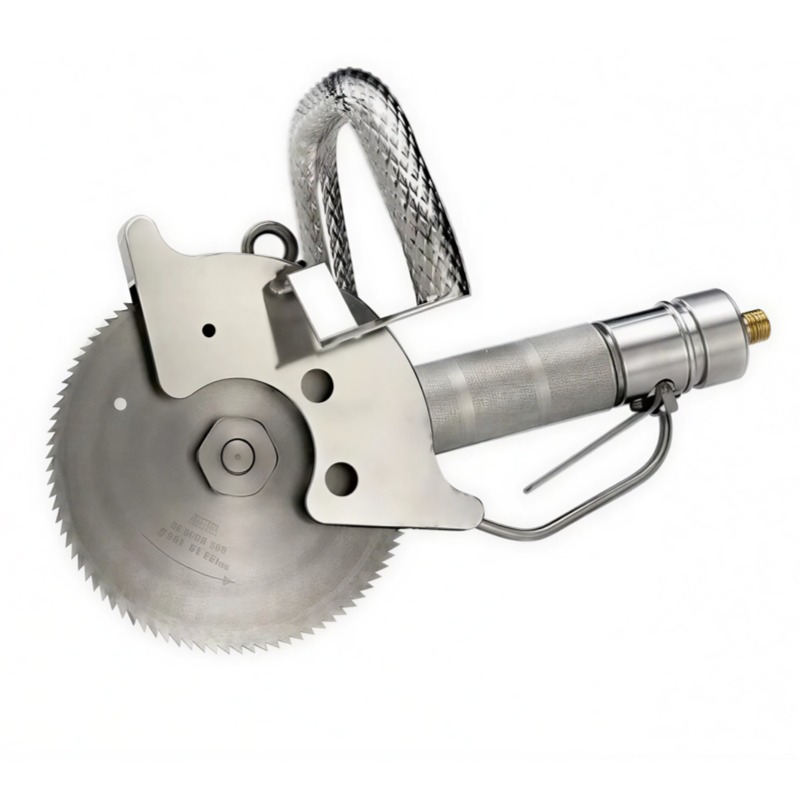
A crooked spine cut wastes meat and bone
An off-centre cut smears bone dust across the carcass, ruins both halves and jams sectioning. Band, reciprocating and robotic saws hold the cut line straight and wash themselves between animals.
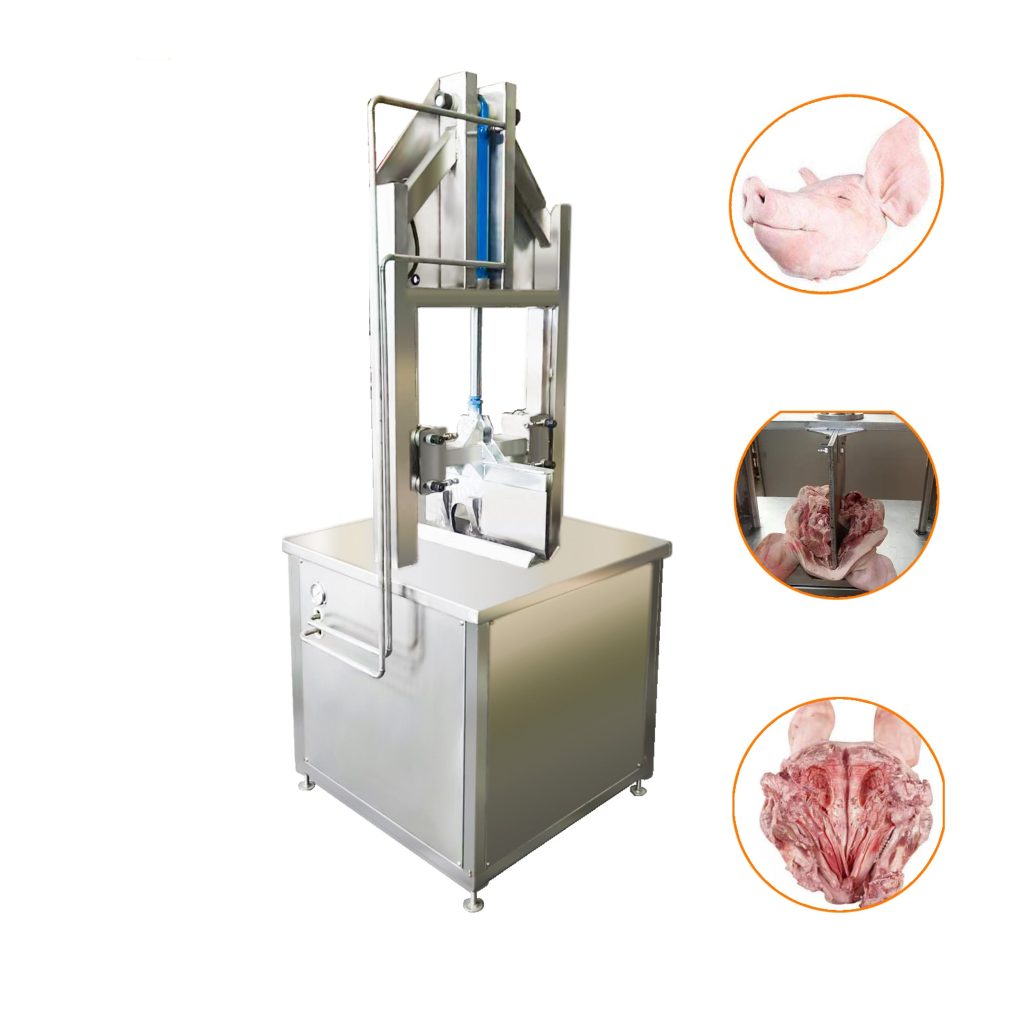
Brains and tongues thrown away
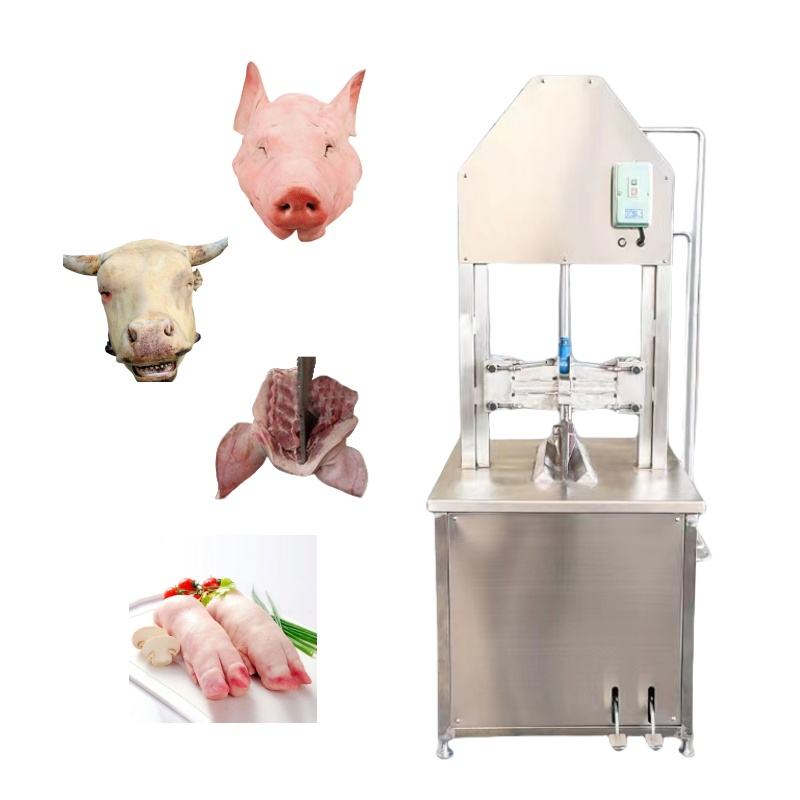
Splitting a head with an axe destroys the product inside it. Purpose-built head splitters open the skull cleanly so brain, tongue and cheek stay saleable, and head dehairing machines finish what the torch cannot.
Trotters cleaned by open flame
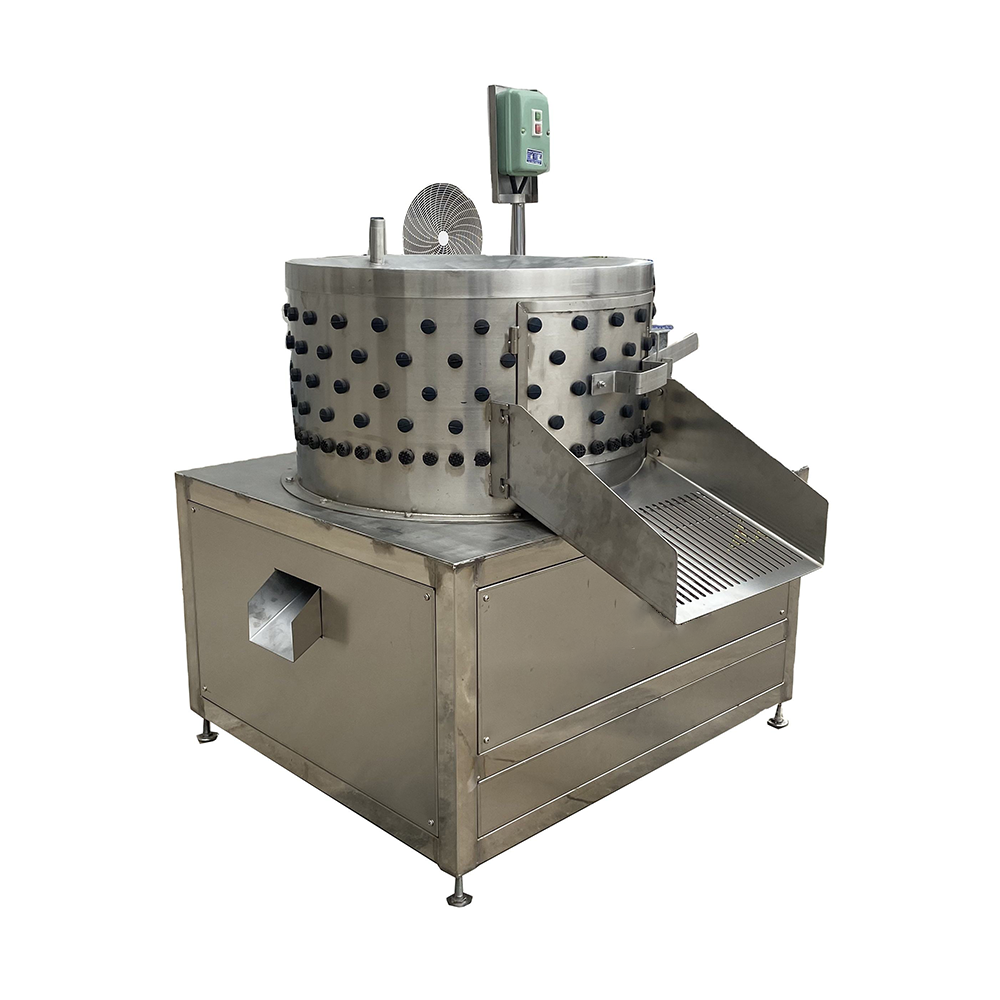
Open-flame singeing gives uneven colour, scorched skin and a labour bill that grows with every shift. Dedicated hoof hair removal, shell removal and singeing machines turn the trotter room into a production line.
Offal that cannot be traced to a carcass
When red and white pluck are thrown into one tub, the inspector stops the line. Synchronous inspection conveyors carry each set past the veterinarian in the same order as the carcasses, on trays that clean themselves.
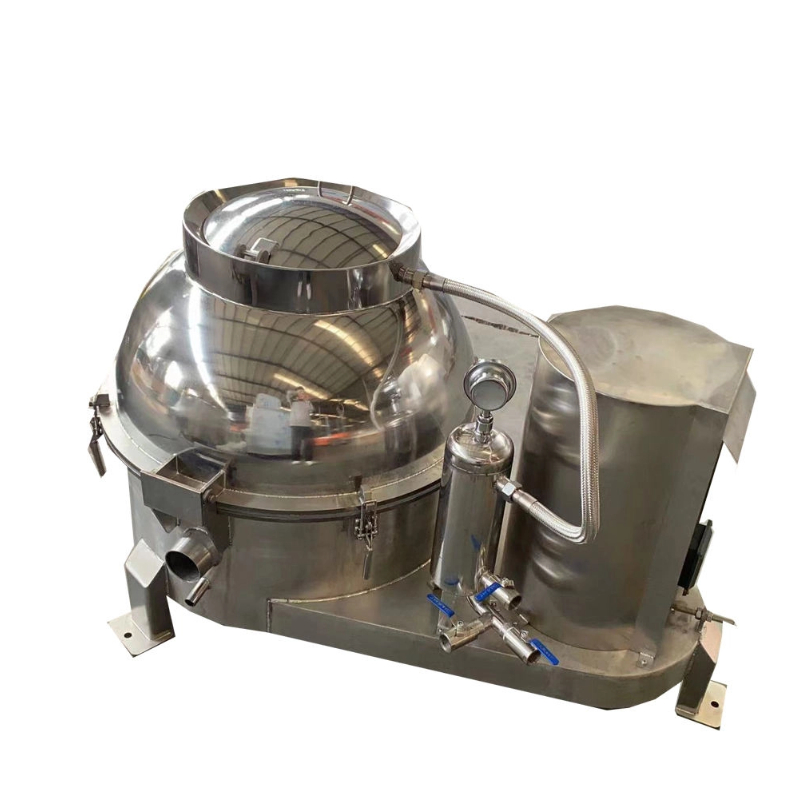
Tripe, casing and fat treated as waste
Washing tripe and degreasing hides are food processing, not cleaning. Done properly they are a second revenue line; done by hand they are a hygiene finding and a loss.
Heavy carcasses and a line nobody can wash
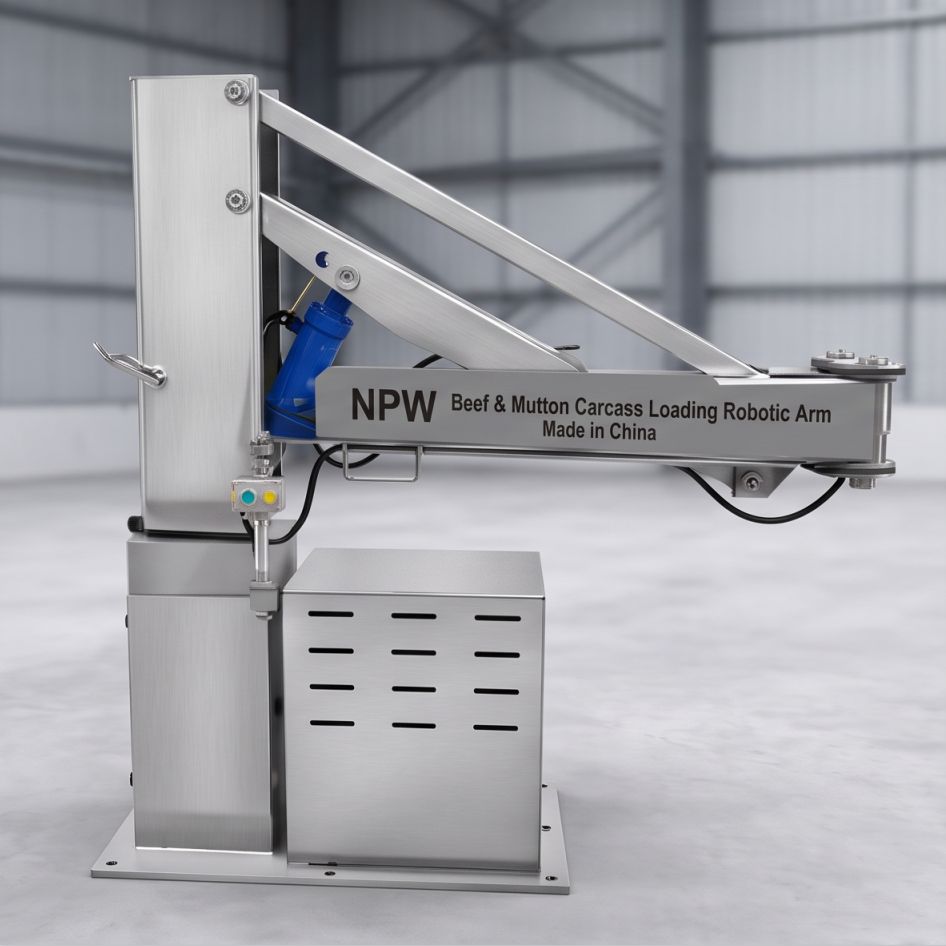
Lifting a beef side onto a rail is the most common injury on a red-meat floor, and a line with ledges, dead pockets and lap joints cannot be sanitized. Loading arms, sloped stainless surfaces and CIP connections fix both.
Cattle Slaughter
Bovine work is decided before the knife touches the animal: how it is restrained, how the hide comes off, and how straight the spine is cut. A torn hide or a crooked split cannot be repaired later, so this chapter runs from ritual restraint through dehiding, hide dehairing, splitting and head work.
Restraint, Stunning & Ritual Slaughter
Head-down and upright restraint that satisfies the rite and keeps the operator out of reach
Hide Pulling & Dehiding
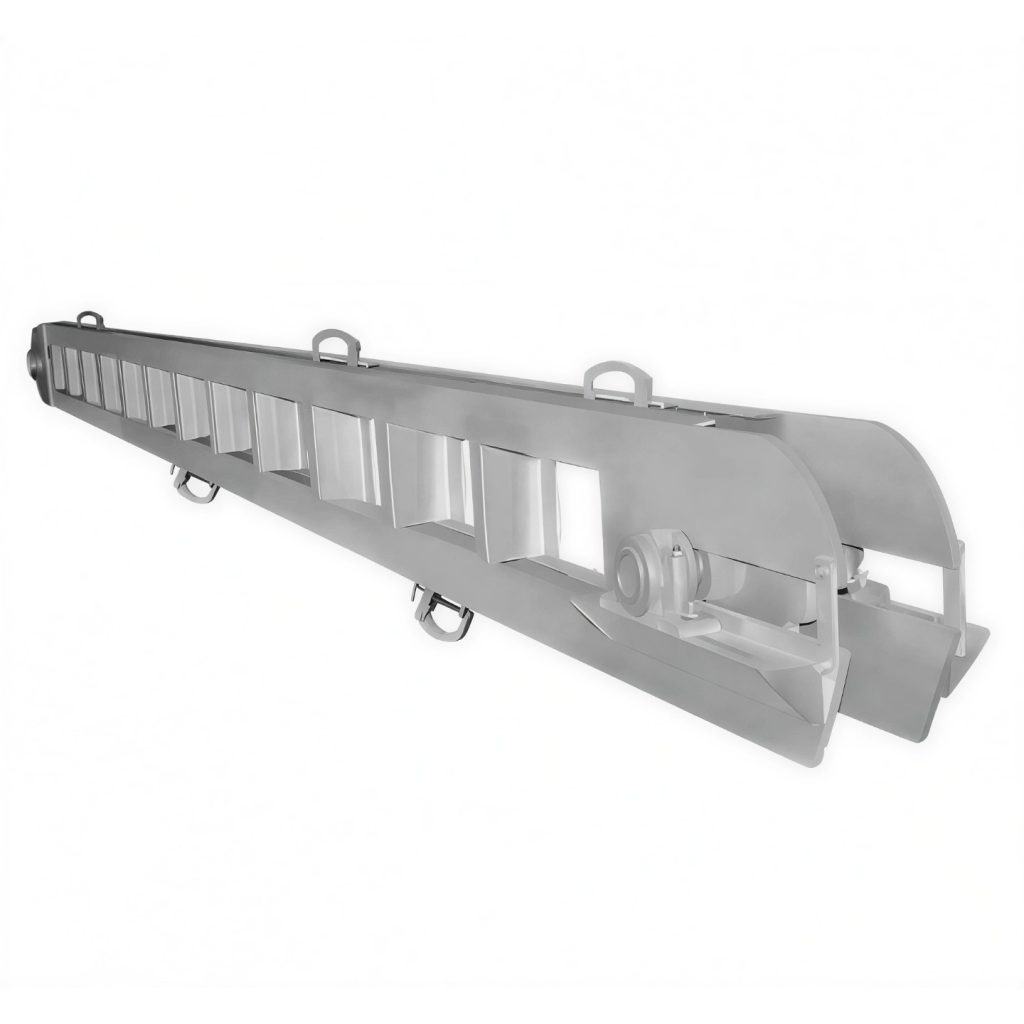
Pull the skin along the natural plane instead of cutting it open by hand
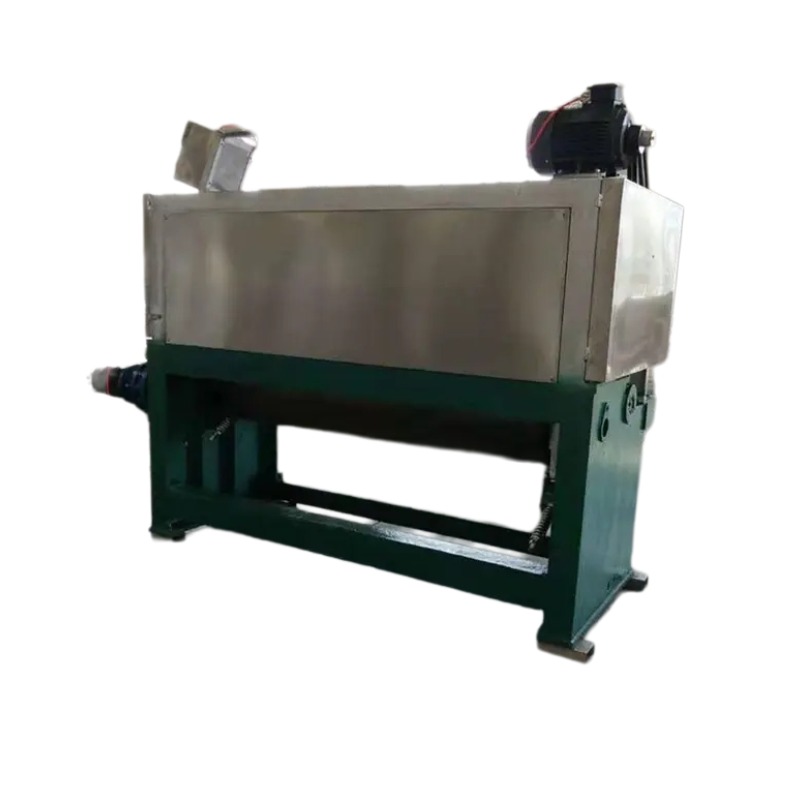
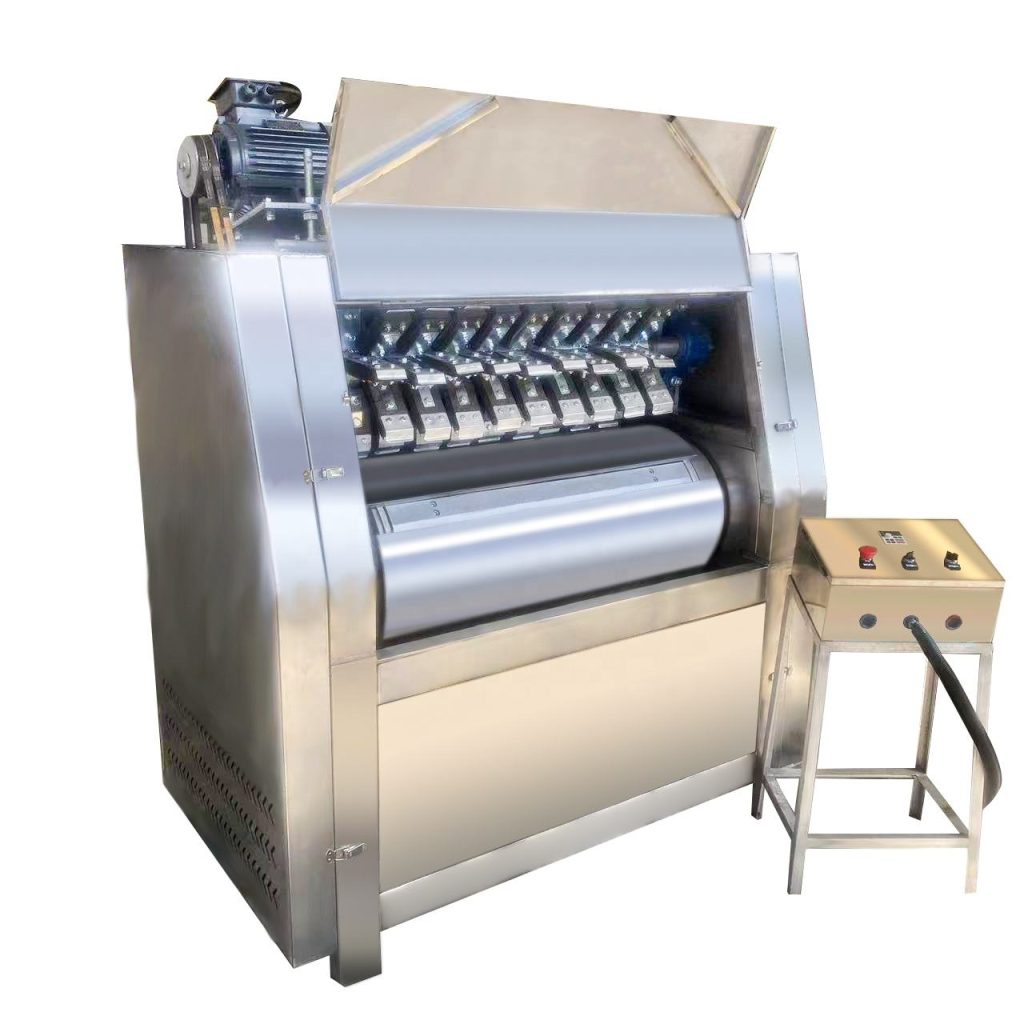
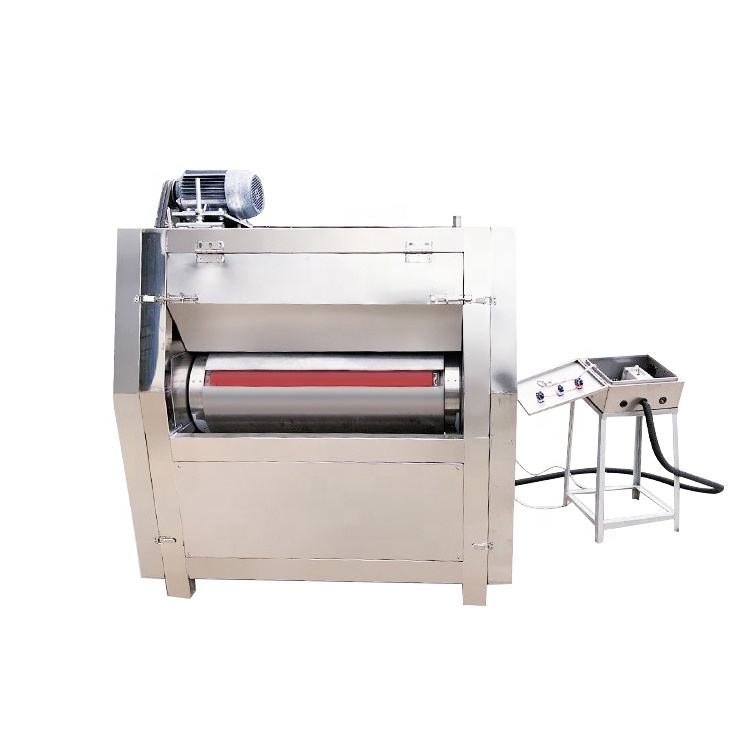
Hide Dehairing & Scraping
Hair, dirt and residual tissue off the hide while it is still worth money
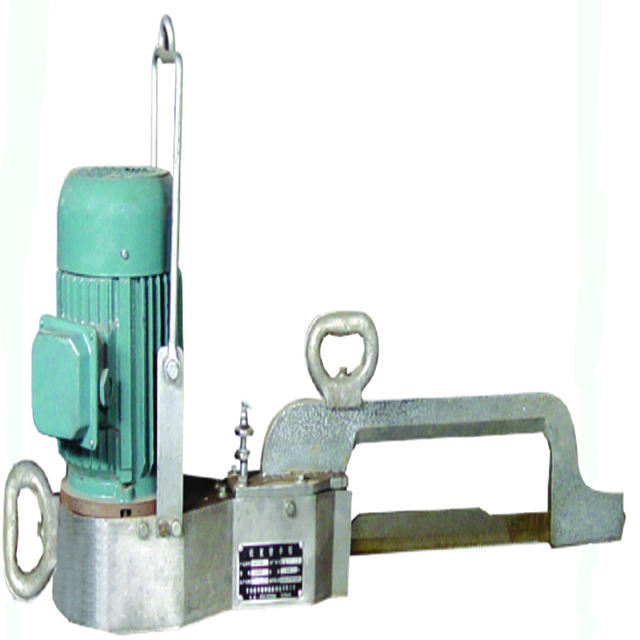
Splitting & Sectioning
Straight spine and breast cuts with no bone dust and no lost primal

Head, Hoof, Tripe & Offal
The by-product rooms that turn head, feet and stomach into saleable food
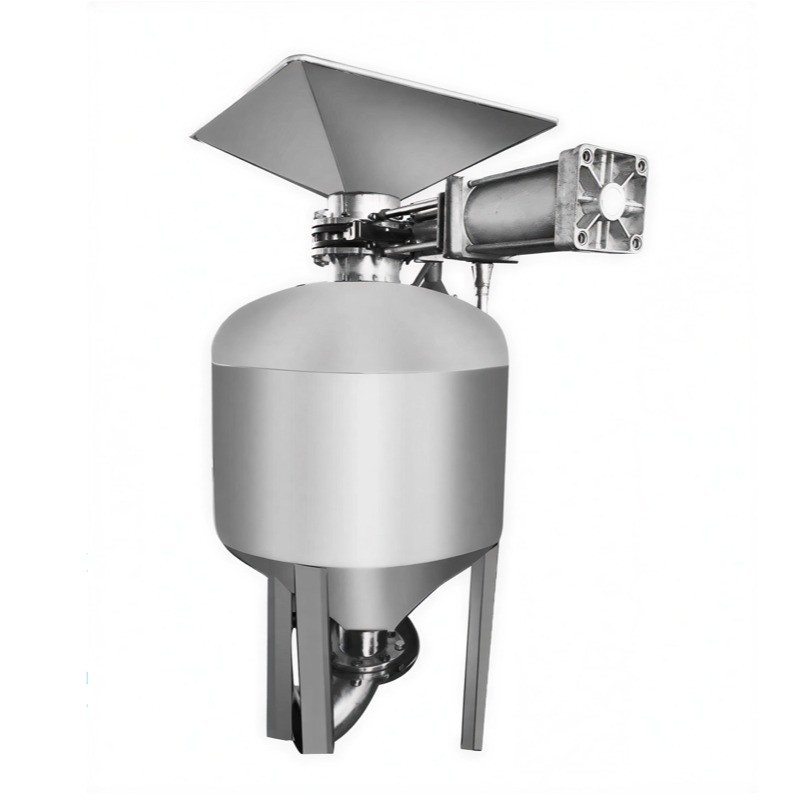
Sheep & Goat Slaughter
Sheep are scalded and dehaired, not skinned by knife alone, and their legs, heads and fleeces carry most of the margin. This chapter follows the animal from the V-belt restrainer through pre-stripping, scalding, debristling, skin pulling, head and trotter finishing, and the inspection line the veterinarian reads.
Restraining, Conveying & Pre-Stripping
Suspend the legs, balance the carcass and keep every station fed without rehanging
Scalding, Dehairing & Debristling
Hold the scald curve, then remove fleece and bristle without cooking the skin
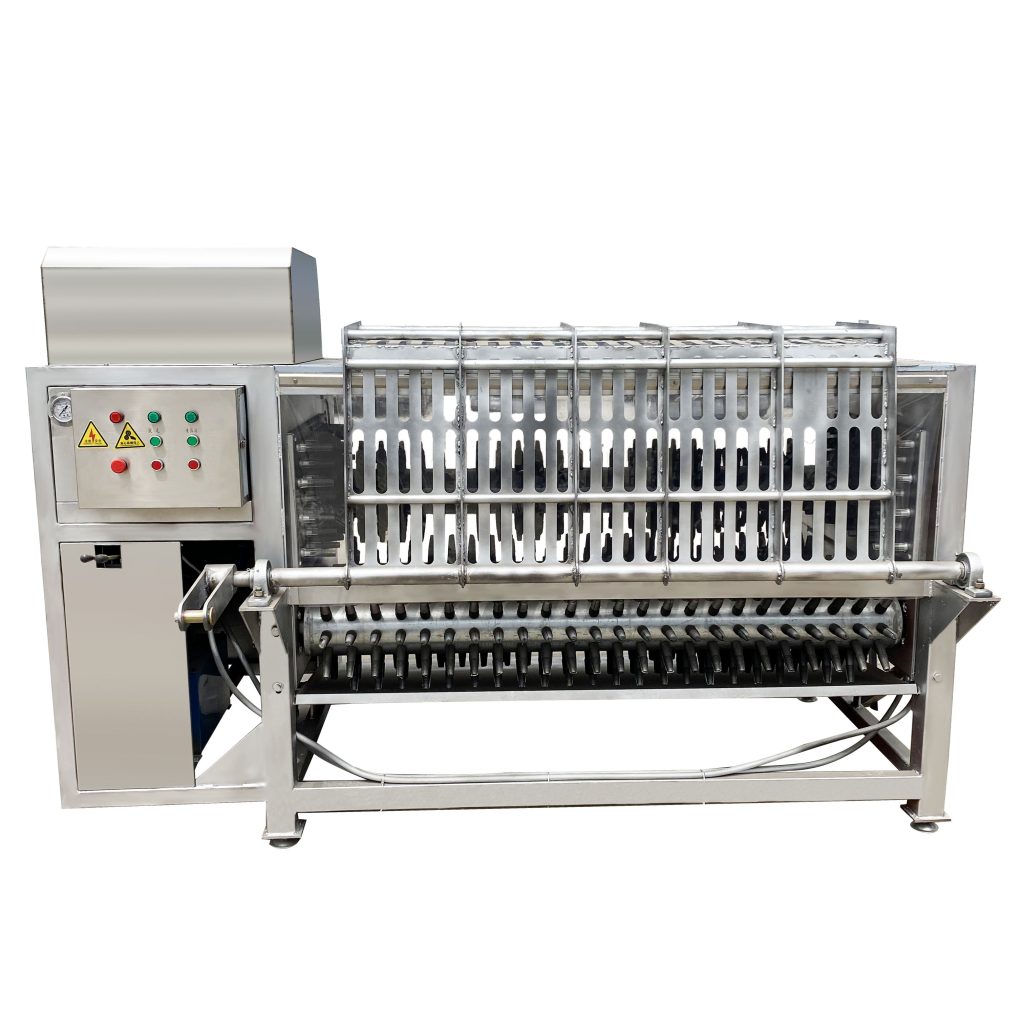
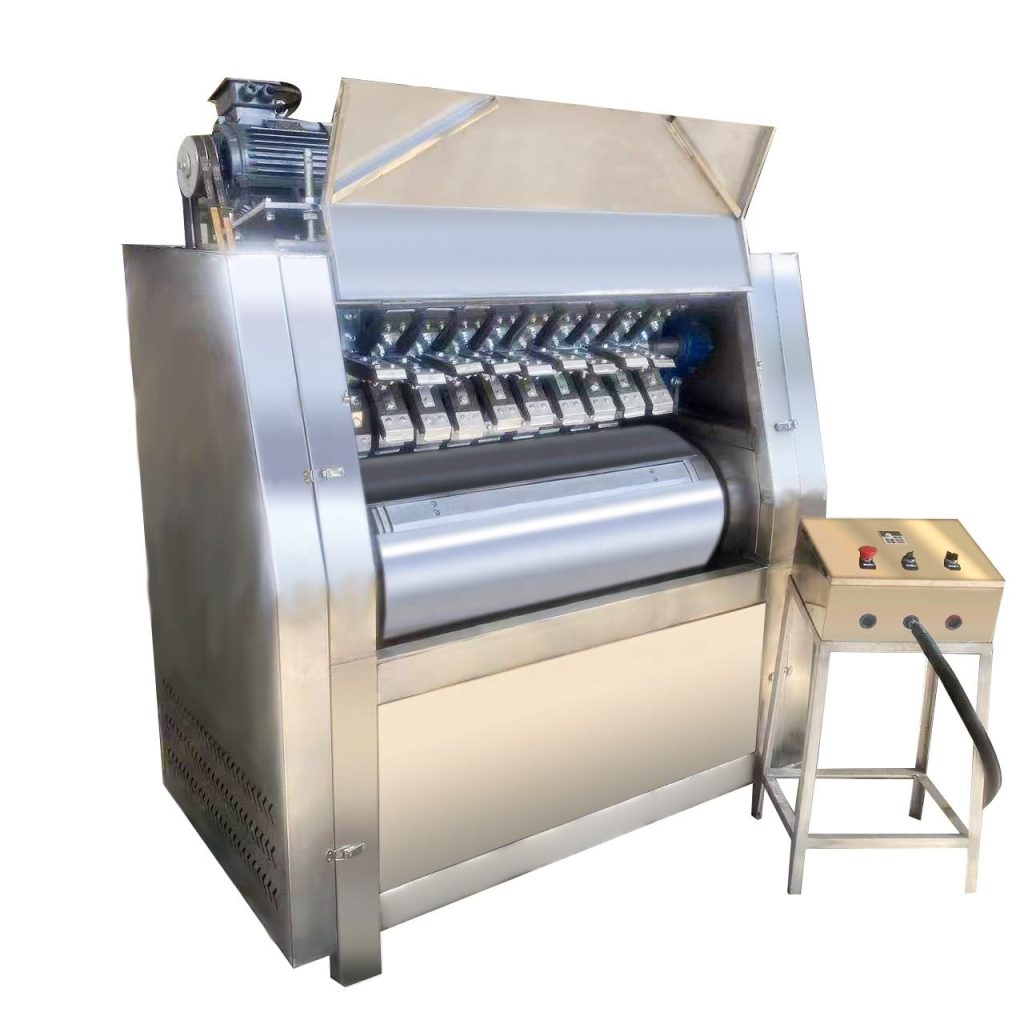
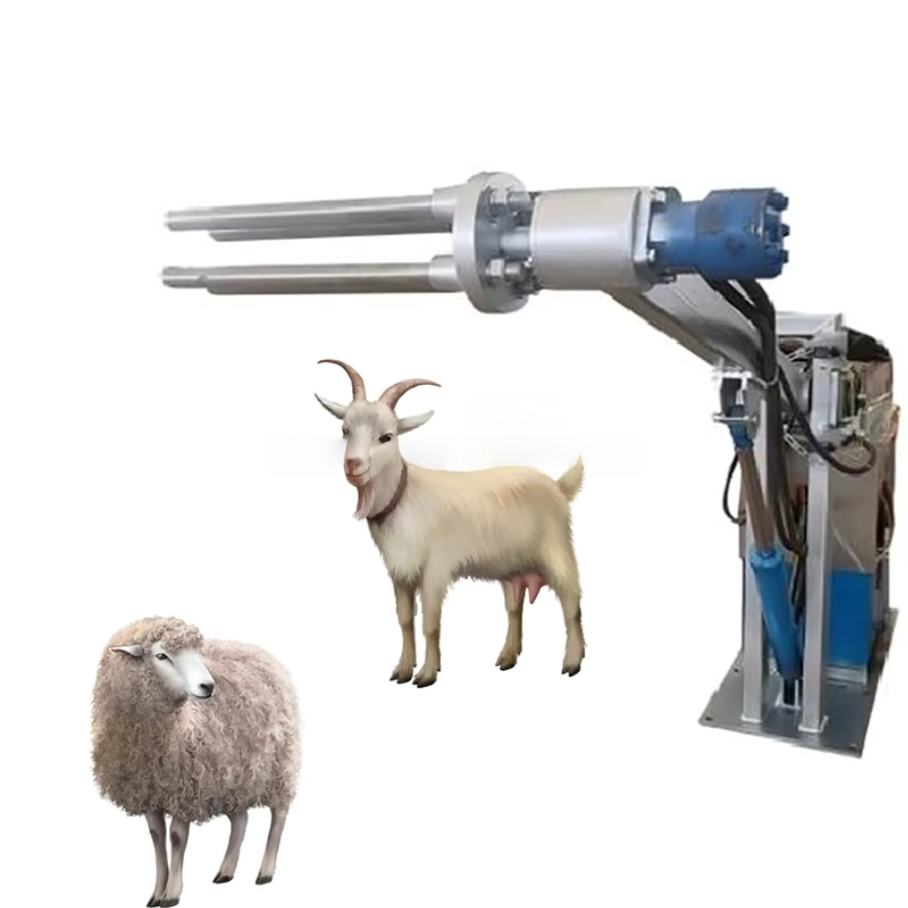
Skin & Hide Pulling
Clamp at the hind legs and pull the pelt off whole
Head & Hoof Finishing
Split the head, keep the brain, and clear hair from head, hooves and dewclaws
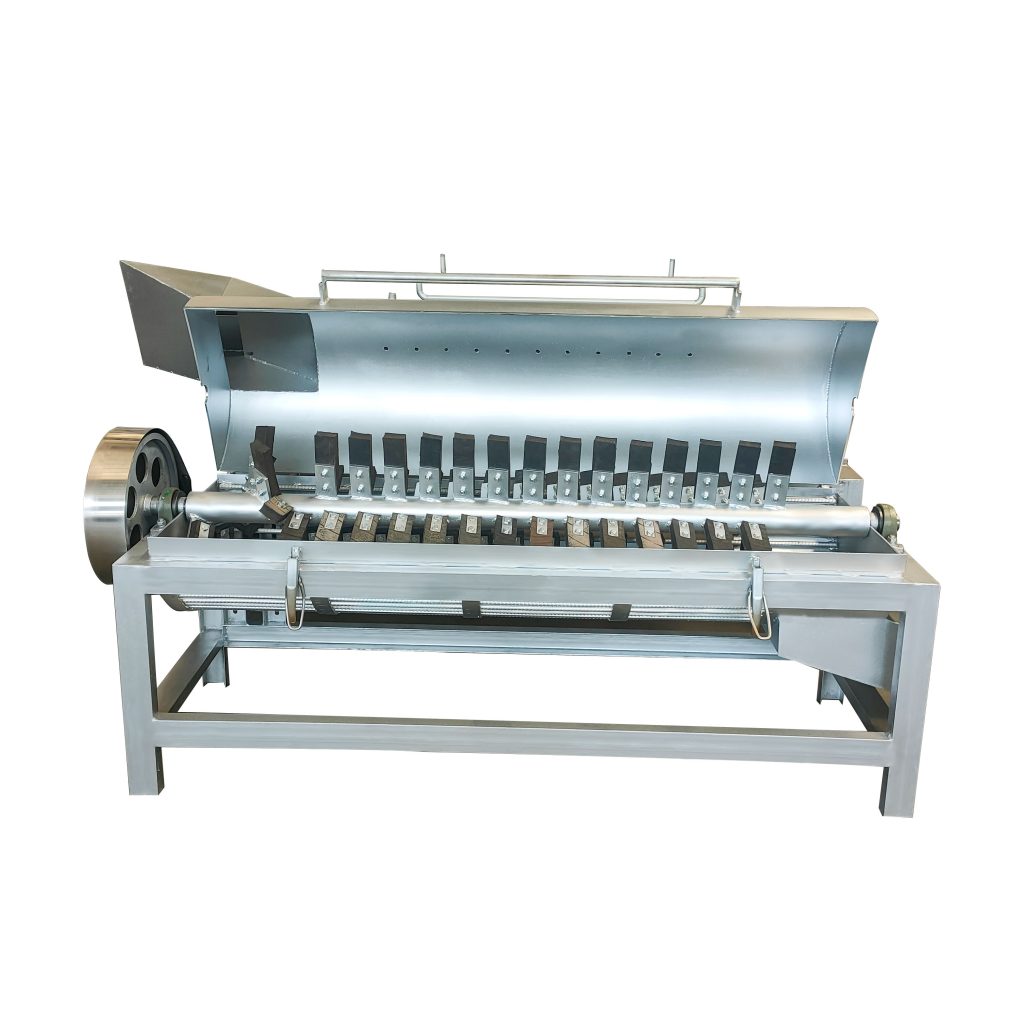
Sectioning & Synchronous Inspection
Portion the carcass and keep red and white offal traceable to their own half
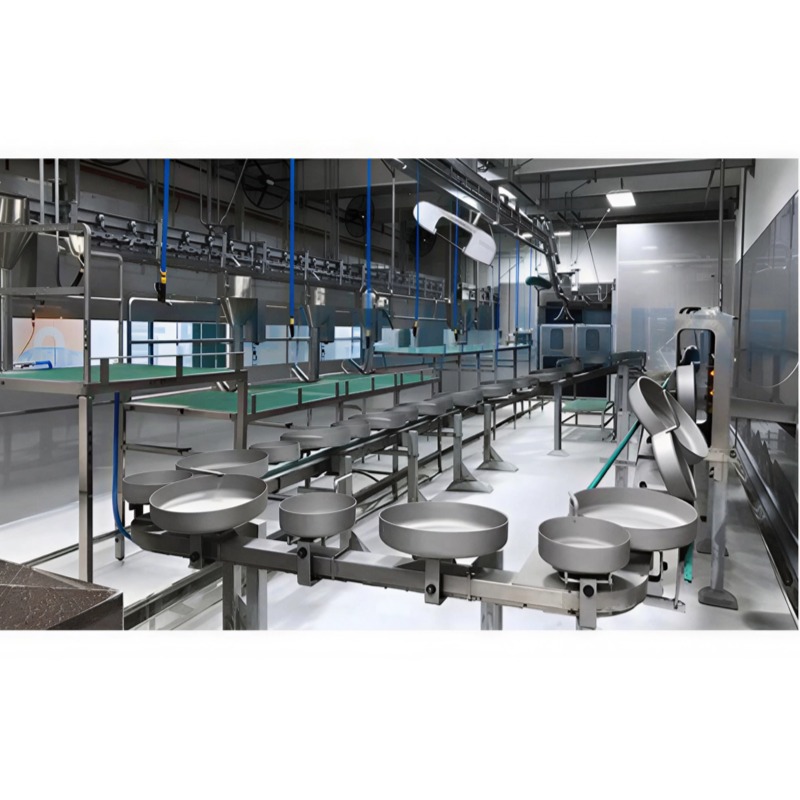
Hide Recovery & Degreasing
Take the fat off the inside of the skin before it is salted or sold
Shared Handling & Plant Services
Cattle and sheep plants share the same weak points once the carcass is dressed: lifting heavy sides onto rails, moving offal and hide without dragging them across the floor, and keeping the whole line washable at the end of the shift.
Carcass Handling & Loading
Reduce the manual lifting that causes most of the injuries on a red-meat floor
Five Streams That Pay For The Equipment
On a red-meat line the by-products are not leftovers — on some markets they are the margin. Each stream below has a machine of its own.
Whole, unscored and degreased inside. A pulled hide sells by the square metre; a cut one sells by weight.
Split cleanly with the brain intact, dehaired and singed rather than torch-scorched.
Split, dehaired, shelled, washed and singed on a trotter line instead of a bucket and a burner.
Washed to food standard so the stomach and casing become product, not effluent.
Collected fast and clean; the degreasing machine returns the fat to the hide trade.
What We Make The Machines Out Of
SUS304 stainless throughout
Frames, tanks, beaters housings, trays and work surfaces in 304 stainless; carbon steel only where it is painted and out of the wet zone.
Sloped surfaces and radius corners
Every base plate falls to a drain, every internal corner is radiused, so wash-down water and protein never stand and dry.
Continuous welding, no lap joints
Seams are welded continuous and ground, not spot-welded, because a crevice is a Salmonella reservoir that no amount of CIP reaches.
Wash-down and CIP ready
Spray connections, removable belts and hinged guards let the crew clear and clean the machine at the end of every shift.
Driven for the power you have
380 V / 50 Hz as standard, with 220 V and 60 Hz variants, gas or electric singeing, steam or electric heating — chosen for your site, not our catalogue.
Wear parts shipped with the line
Rubber beaters, scraper paddles, brushes, saw blades, hooks and chains arrive in the same container, so week three is not spent waiting for a consumable.
From Your Floor Plan To A Line That Is Running
Brief & site data
Head count, species, carcass weight, rite, building and utilities.
Layout & specification
Station list, floor drawing, utility schedule, container plan.
Fabrication
Built in our own works with factory test video before shipping.
Packing & shipping
Loaded, photographed and sealed by container, spares included.
Install & commission
Our engineer on site with your local labour, running to rate.
Training & spares
Line speed, scald control, hygiene routines, sharpening and CIP.
Four Plant Types We Build For Most Often
Serving one city or province, usually cattle plus sheep, with seasonal peaks and a small engineering team on site.
The rite drives the layout: head-down restraint, manual sticking, blood collection and a line that can be certified afterwards.
A farm that raises, feeds and slaughters its own stock, where the building is new and the line can be designed around it.
Selling into chilled or frozen retail, where veterinary inspection, traceability and audit paperwork decide the contract.
Paperwork That Survives The Inspection
What We Need To Size Your Line
Send these and a named NPW engineer returns a station list, layout sketch, utility schedule and factory-direct quotation within 24 business hours.
- Species: cattle, sheep, goat — or a plant that runs both
- Rite: conventional, halal, dhabihah or ritual box required
- Daily volume: head per day and shifts per day
- Carcass weight: average hot carcass weight in kilograms
- Building: hall size, ceiling height, floor load, country
- End product: whole carcass, halves, primal cuts, hide and offal recovered
FAQ
No. After the bleed the two diverge completely: cattle are skinned by pulling head, sheep are scalded and dehaired or skin-pulled depending on the market, and the carcass weights differ by an order of magnitude, which changes every rail, hook, hoist and saw. Plants that run both normally share the lairage, the utilities and the cold store, and keep two separate kill floors with their own dispatch door.
Yes. We build pneumatic ritual killing boxes, tipping and stunning boxes for cattle, guiding machines that present the head safely, and pneumatic stunning guns. The rite your market requires is decided at specification stage, because it determines the restraint method, the sticking position and how the blood is collected.
Because on many cattle and sheep plants the hide, head and feet can cover most of the animal cost. A hand-flayed hide arrives at the tannery with knife cuts, bruises and residual fat, and is downgraded before anyone weighs it. A pulled hide, degreased and salted within hours, sells on grade. That is why dehiding, pre-stripping and degreasing machines are specified early, not added later.
Separation and traceability. Red offal and white offal travel on their own carriers, in the same order as the carcasses, past a dedicated inspection station with wash-down, so every set can be matched to its animal until the inspector releases it. Our synchronous viscera and white-offal conveyors do exactly this, and it is the first thing an export audit checks.
Wash before you scald, then scald to a held temperature, then debristle rather than re-scald. A constant-temperature scalding tank with a dual-roller debristling machine removes fleece and bristle without cooking the skin, and head, hoof and dewclaw machines finish what the rollers leave. Plants that skip the pre-wash load the scald bath with dirt inside an hour.
Usually yes, with the right variant. Machines are 380 V / 50 Hz as standard with 220 V and 60 Hz available; singeing can be gas or electric; scalding can be steam, electric or hot-water. Tell us what is on site and we spec to it — the boiler and water treatment can be drawn from the same plant.
Yes. Our engineers have commissioned lines across Southeast Asia, the Middle East, Africa, Central Asia and the CIS. A small plant is commissioned with one engineer plus your local labour; larger lines go out with two. Where a visit is difficult we run commissioning on live video, and every machine ships with a factory test video and English manuals.
Standard machines normally leave the works 30–45 days after the deposit and confirmed drawings; a full line with conveyors and tanks runs 60–90 days depending on the station count. Layout drawings and foundation plans come in the first two weeks so your civil work runs in parallel with fabrication.
Wear parts — rubber beaters, scraper paddles, brushes, saw blades, hooks and chains — ship with the line and stay available afterwards because you are buying from the manufacturer, not a reseller. Send a photo and the machine plate and we quote the part.
Get Your Cattle & Sheep Line Specification
Tell us the animal, the rite and your daily head count — an NPW engineer returns the machine list, layout and quotation within 24 hours.
Tell Us About Your Plant
- Species: cattle, sheep, goat or a combined plant
- Rite: conventional, halal or ritual-box slaughter
- Daily volume: head per day and shifts per day
- Carcass weight: average hot carcass in kilograms
- Building: hall size, ceiling height, floor load, country
- Utilities: power supply, water source, boiler fuel
- By-products: hide, head, trotters, tripe or casing recovered
- Timeline: target commissioning date and budget range
Talk To Your Engineer
Every NPW solution is handled end to end by one named engineer — capacity sizing, layout drawings, configuration lists and shipping schedules. Reach out directly and you will speak to the person responsible for your line, not a call centre.