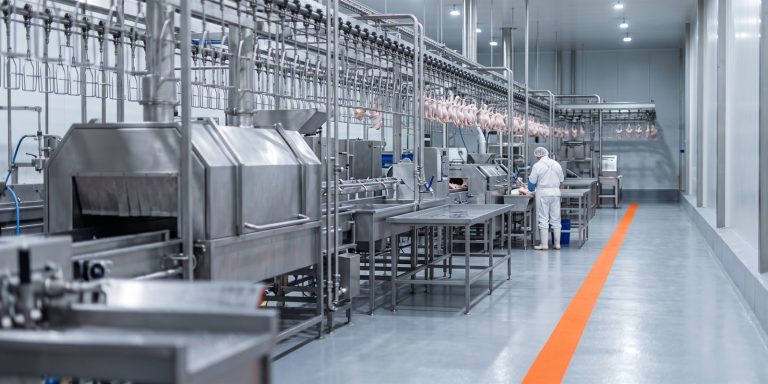
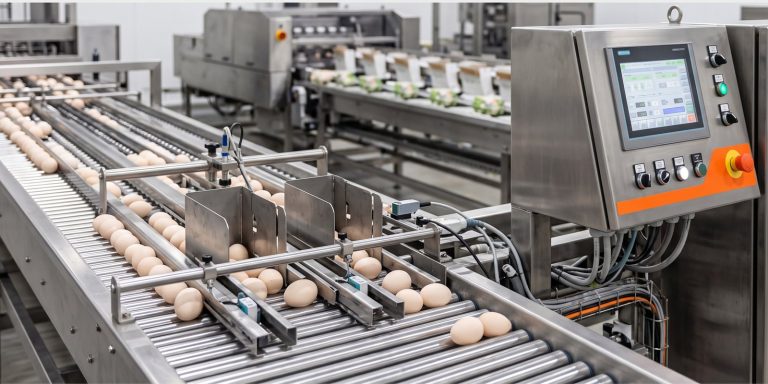
The Line Stops On The Small Parts, Not The Big Machines
A dehairer, a rail and an automatic line are specified carefully, then run for years on blocks, hooks, gears, wheels and spoons bought whenever somebody remembered. That is backwards. Wear parts decide whether the drum still pulls hair, whether the rail still carries a 500 kg side, and whether a Saturday breakdown is fixed in an hour or in six weeks of air freight. Below are the 26 accessory lines we cast, mould, machine and polish in our own works — grouped by the room they live in, with the dimensions you have to match stated on the card.
A Block Is Cheap. An Hour With The Drum Stopped Is Not.
Accessory lines are a rounding error on a line budget and the first thing that gets deferred. Then the dehairer starts leaving hair, the hook that was straightened with a hammer drops a carcass, and a gear tooth from an imported line is quoted at nine weeks. We make the parts that sit in that gap, to the dimensions of the machine they have to fit.
- The pitch has to match the arm, not the catalogue
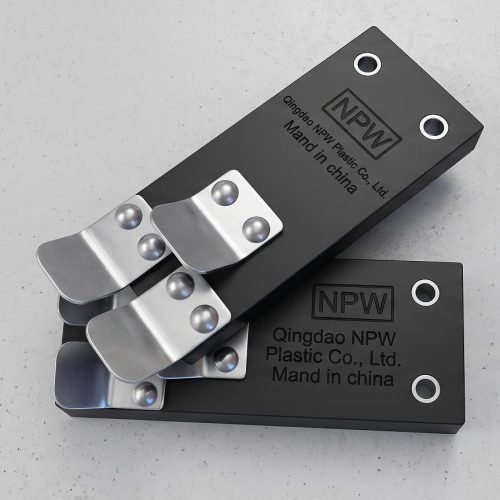
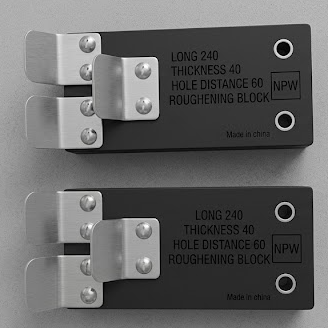
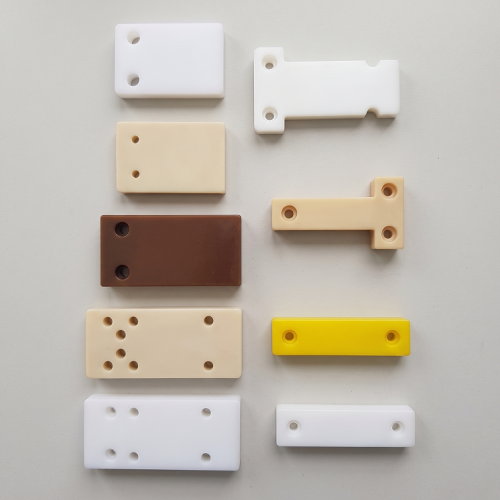
Roughening blocks are sold by length, thickness and hole distance — 91, 200, 230, 231, 235 and 240 mm long; 19 to 40 mm thick; 50, 60, 62, 64 or 65 mm pitch, adjustable where the arm allows. Bolt a 62 mm block to a 60 mm arm and the rubber works loose inside a shift, then comes off into the drum.
- Rubber that is still legal after 800 hot washes
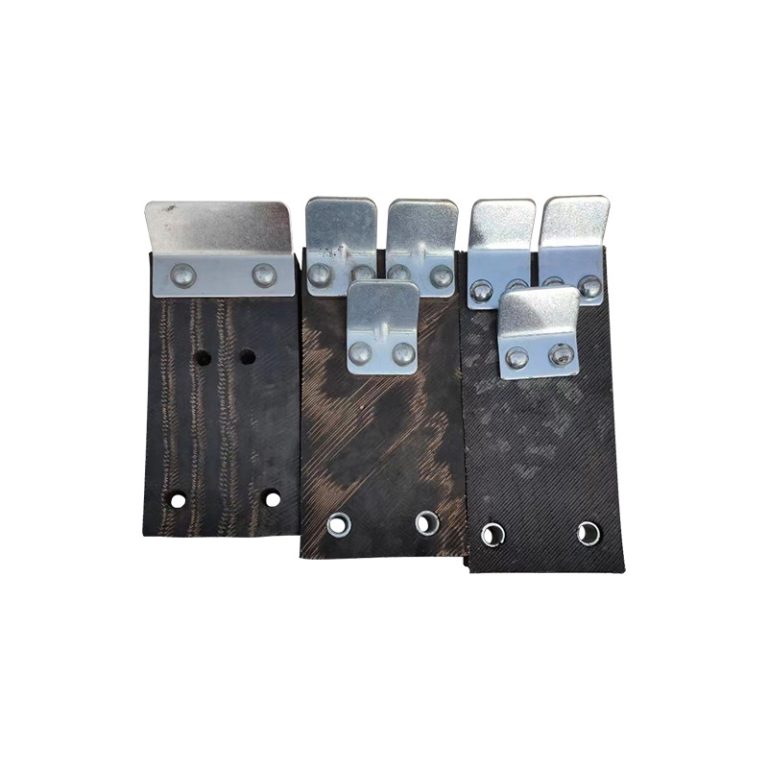
Dehairer rubber is food-contact NBR or silicone, rated −20 °C to +120 °C and expected to take 60–80 °C wash-down and steam without cracking. Compound that fails the test goes hard, glazes, stops gripping hair — and becomes a hygiene finding on the day of the audit.
- A hook is a lifting appliance, not a piece of bent steel
Our carcass hooks are rated by species and marked: about 150 kg working load on a pork hook with a safe working load above 500 kg, 500 kg on a beef side with SWL above 2,000 kg, 40 kg on a mutton carcass with SWL above 200 kg. Load capacity is decided by the rail, the track and the operator — so we quote all three together.
Nine Failures That Start On The Parts Shelf
Every one of these has been reported back to us by a plant that called after the fact. Under each failure sits the part we make for it.
The drum polishes instead of scraping
Rubber that has gone hard or glassy from heat and fat stops biting the bristle. Hair is left on the head, the feet and the belly line, and the crew follows behind with pliers — which is exactly the labour the dehairer was bought to remove.
A block that lifts off mid-shift
Wrong hole distance, wrong thickness, or a bolt tightened onto a block that was never meant to take that clamp load. The block works loose, cracks at the fixing, and the missing piece ends up in the drum with the next pig.
Bruises and torn skin off one drum
Too aggressive, uneven, or worn down to the metal core and the block bruises the carcass and tears the skin at the flank. Skin damage is paid for twice: in the downgraded hide and in the shelf life of the meat under it.
A straightened hook holds a straightened load
Deformation, arc welding repair, a stainless hook replaced with plated carbon steel in the wet room. A hook that has been heated or bent has lost the margin the SWL assumes, and it fails while loaded and while somebody is standing under it.
Mixed carriers jamming one track
Rail outside diameter, wheel bore, track radius and dispatch spur all have to agree. When a plant buys hooks and runners from two suppliers, the pulley climbs the curve, the line stalls, and the fault is blamed on the drive.
One stripped tooth stops an automatic line
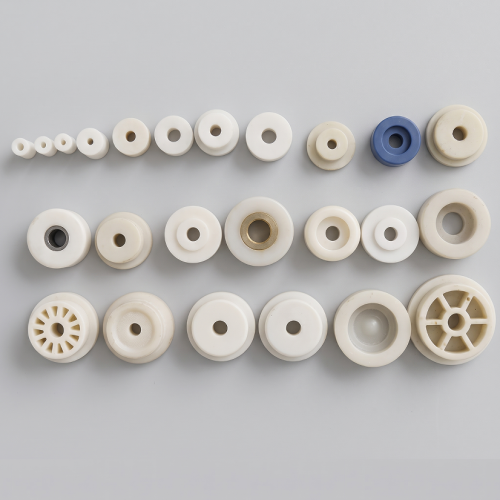
Gear discs, chainwheel teeth, nylon trolley wheels and return-line fingers are consumables on an imported line, but they are usually only available from the original supplier, at original price, on original lead time. We reverse-engineer the part to the sample or the drawing.
Blade and spoon time
A knife that will not hold an edge and a spoon with a crevice at the handle joint cost seconds per bird and per carcass, and seconds multiply across thirty thousand of them. Handles are seamless and electrolytically polished so protein cannot sit in a seam.
Parts that cannot be documented
Food-contact rubber without a declaration, stainless of an unspecified grade, a hook with no load marking. Modern buyer and veterinary audits ask for paperwork on consumables, not only on machines — and a missing declaration is a written non-conformance.
Ordering after the breakdown
The expensive version of a cheap part is the one bought in a hurry. Blocks, shackles, hook sets and drive teeth ship in the same container as a new line, with the wear list matched to your kill volume, so the second year is a scheduled order rather than an emergency.
The Dehairing Room
Ten accessory lines, all of them bolted onto the arms of a pig dehairer or its head, hoof and claw stations. Selection is arithmetic: measure the block you are replacing — overall length, thickness, centre-to-centre hole distance — and check the compound against your wash-down temperature. Export-type blocks carry a metal clamping plate and a harder profile for continuous plants; the standard blocks cover the common 200–240 mm arms.
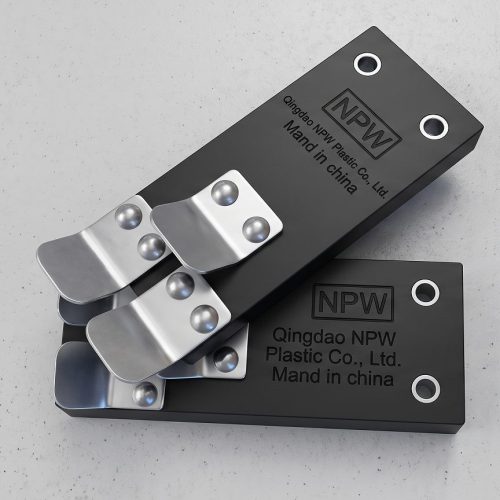
Export-Type Roughening Blocks
Thicker section and a clamping plate for plants running continuously, where a block change is a planned job, not a break
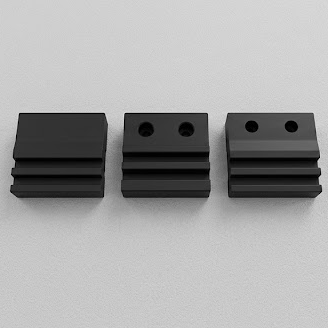
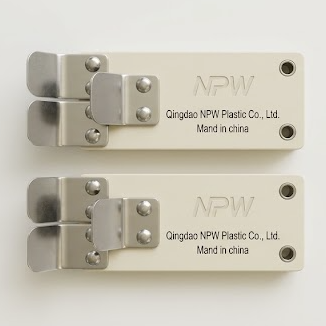
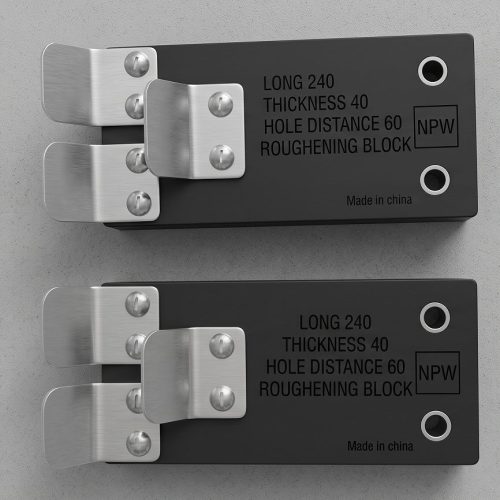
Standard-Length Roughening Blocks
The common arm sizes for rotary pig dehairers, matched by length, thickness and hole distance
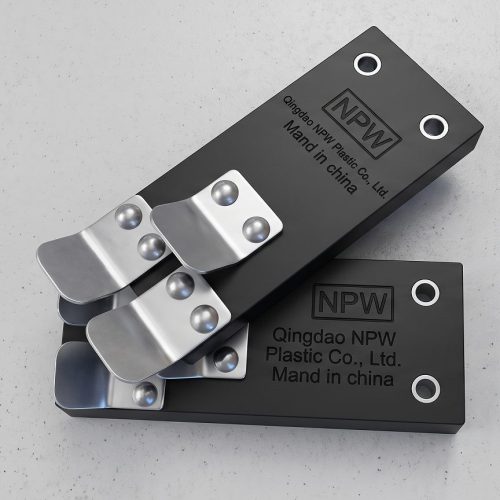
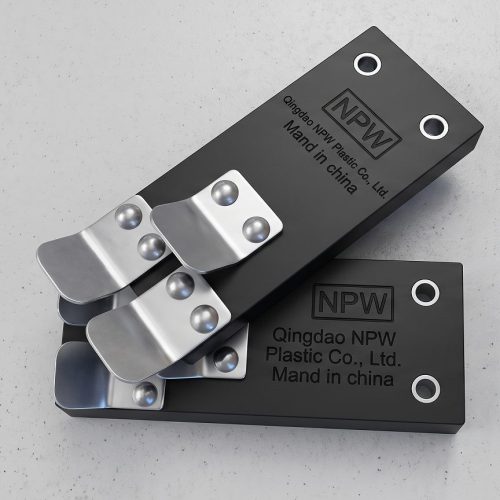
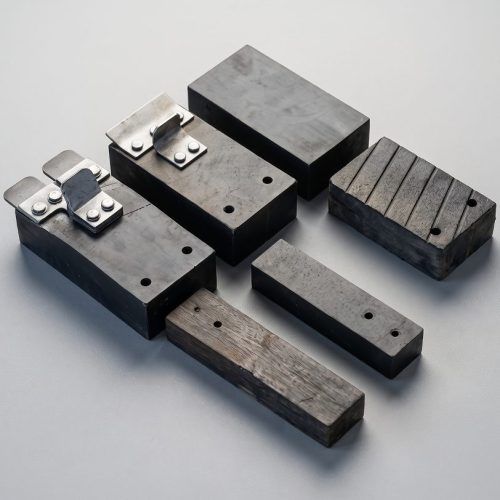
Food-Contact Rubber & Station Sets
The compound itself, and the block sets that finish heads, hooves and claws
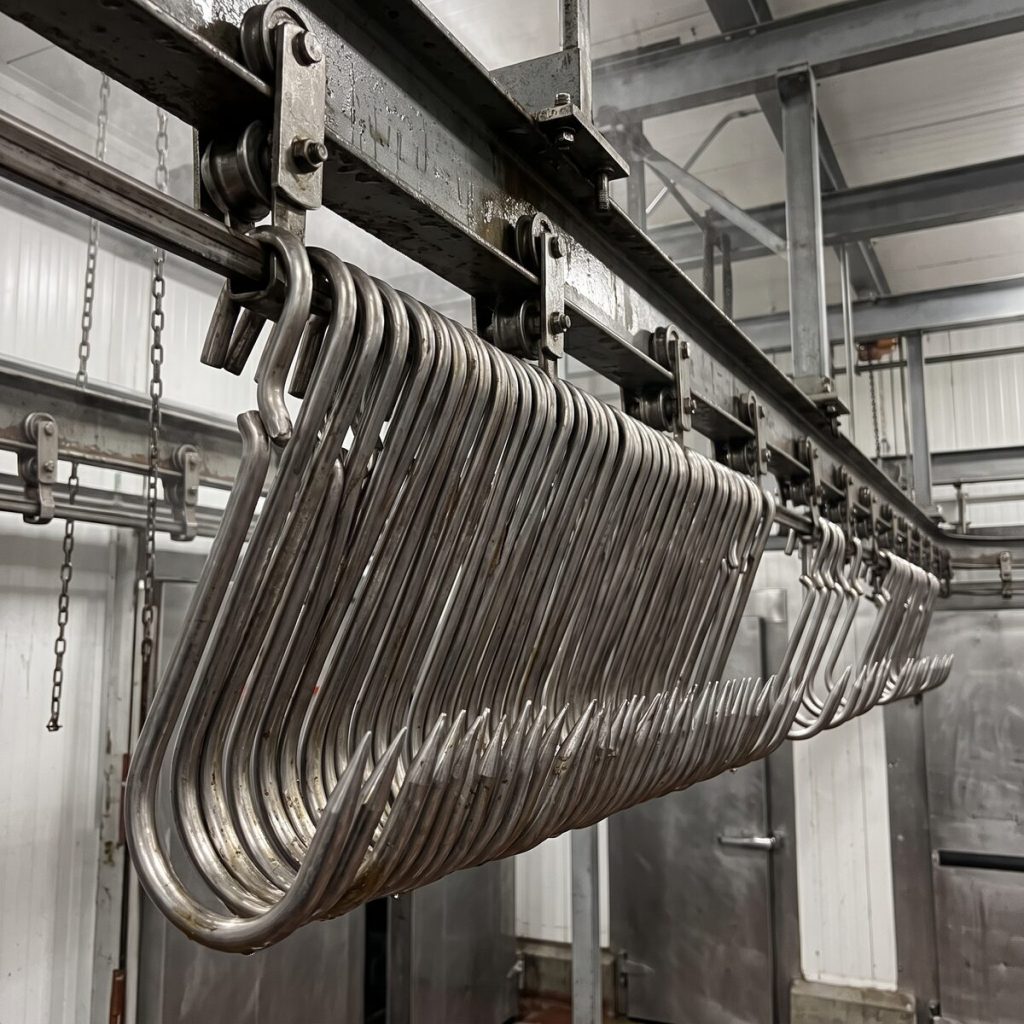
Rails, Hooks & Carriers
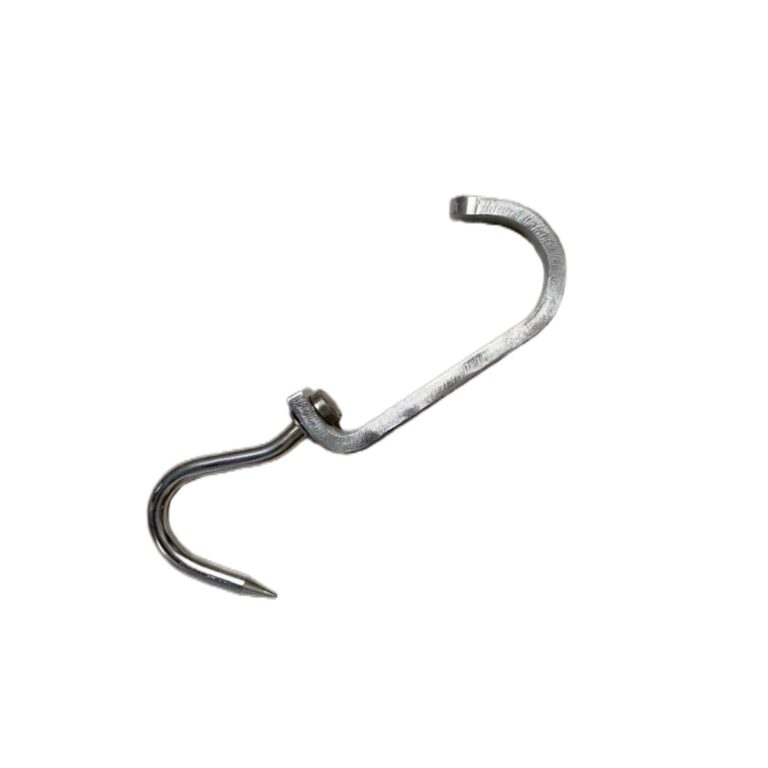
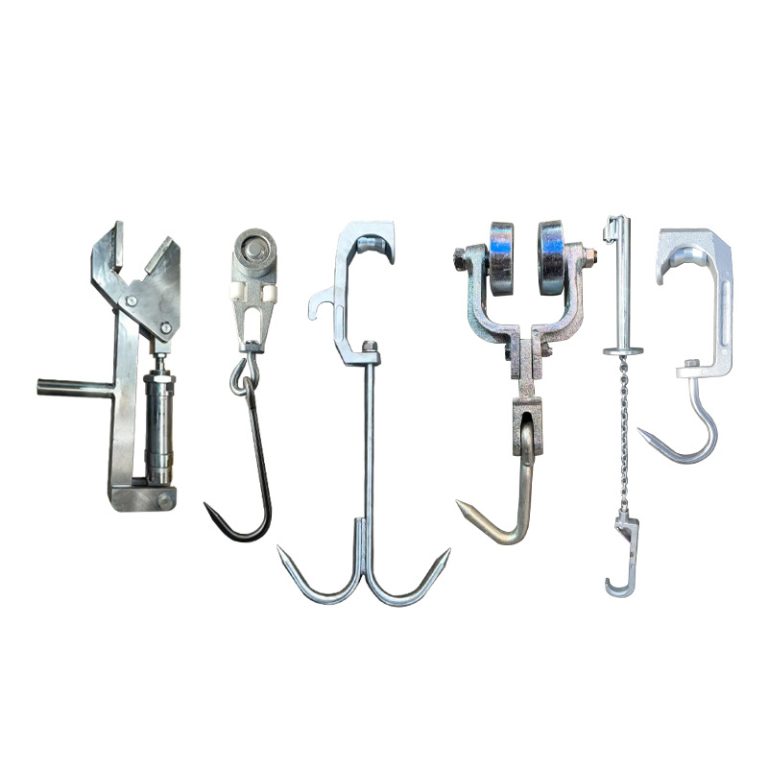
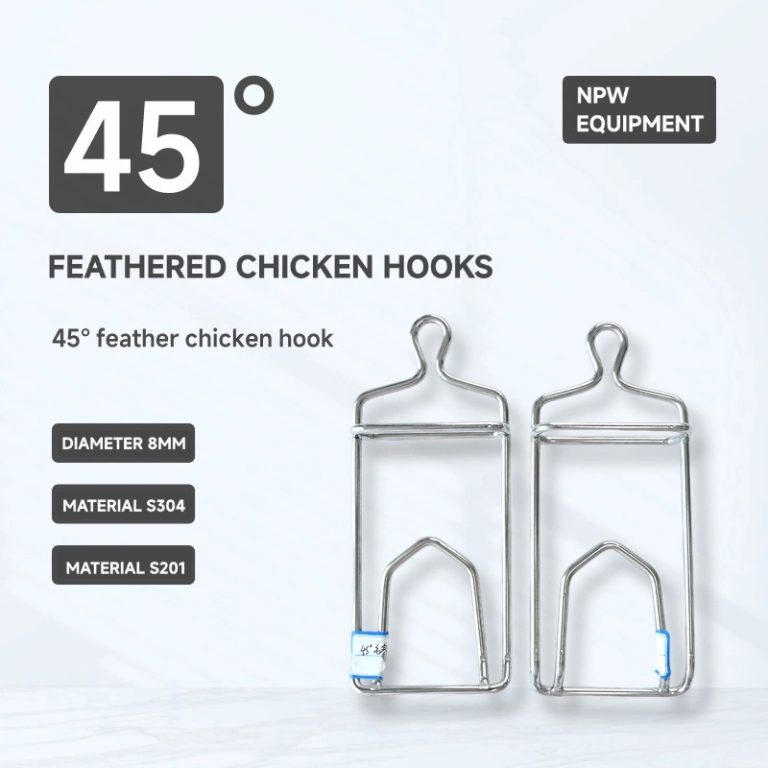
Everything between the carcass and the track. A tubular-rail hook is chosen by hot carcass weight, a pulley carrying hook by the rail outside diameter and the curve radius, a poultry shackle by the chain pitch it clamps into. Return line fingers are the part nobody notices until the chain starts riding instead of running. Send the rail drawing or a photo with a caliper and we match the set.
Hand Tools & Knives
The tools that touch the product. Contact parts are 304 stainless, electropolished and seamless, because a rivet line or a lap joint at the handle is where bacteria survive the sanitising station. Blades are forged for their station — sticking, skinning, deboning, cutting — rather than sold as one general knife.
Poultry Evisceration
Pulling the complete set without rupturing the gut, at line speed
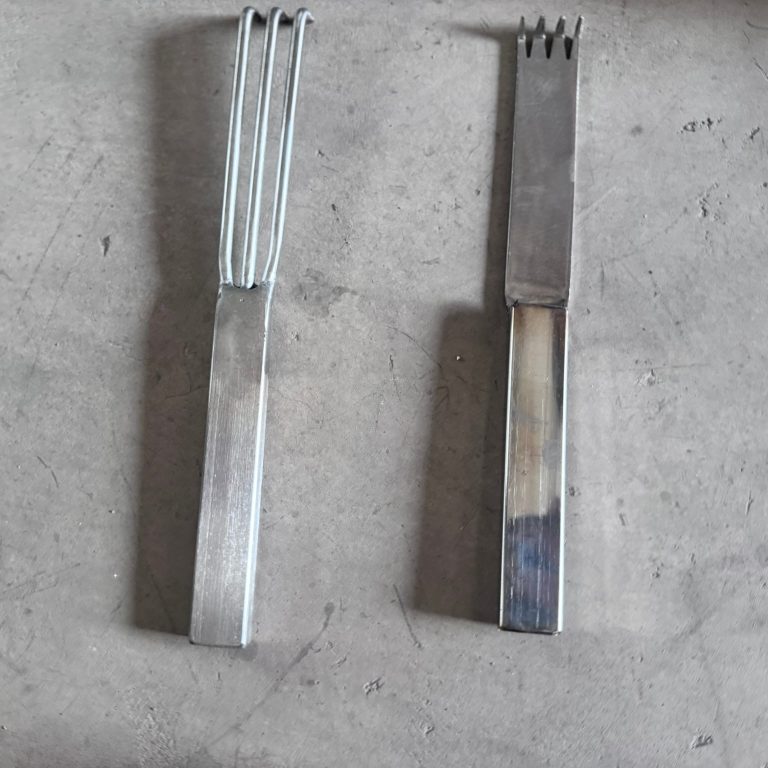
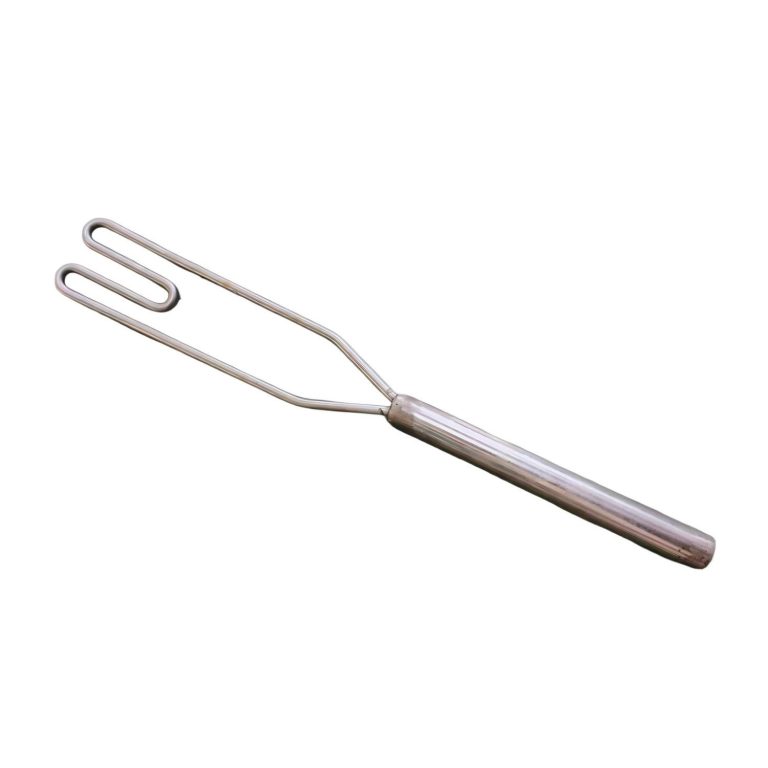
Knives & Bristle Finishing
The sticking and dressing edge, and the pliers that clear what the drum left
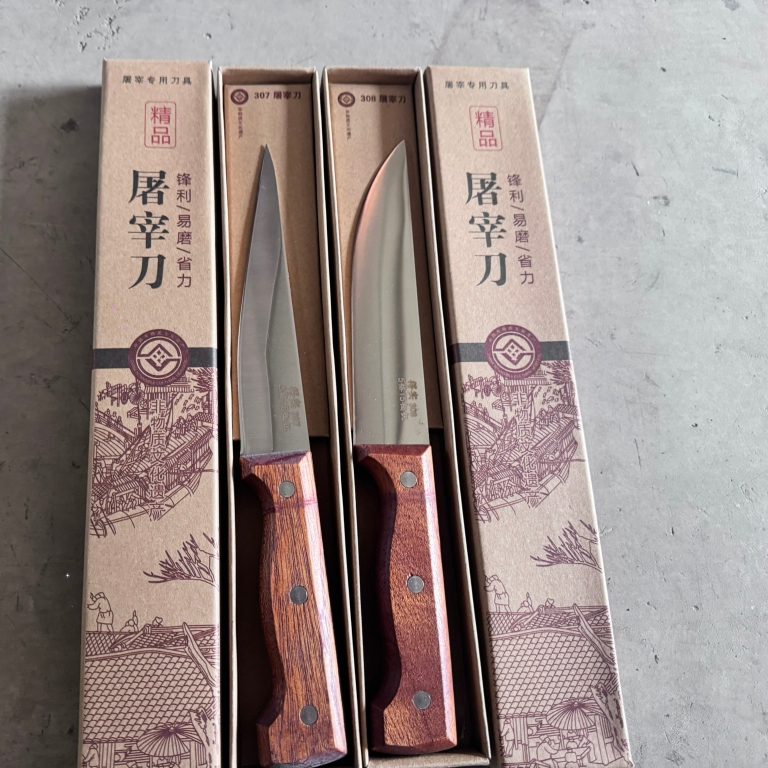

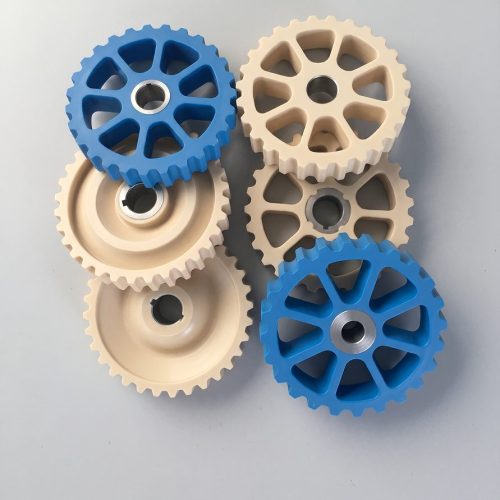
Wear Parts For Imported Automatic Lines
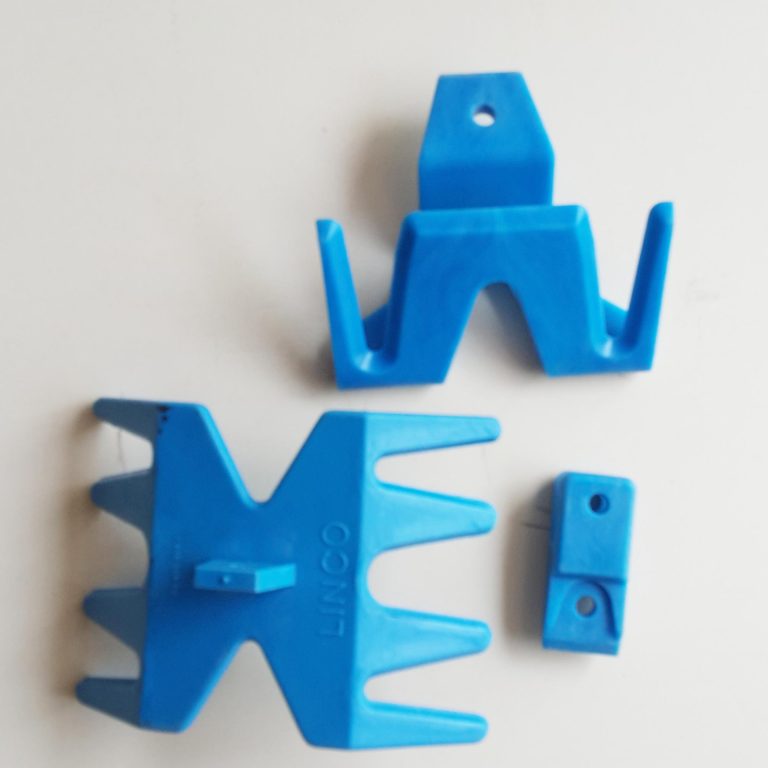
Plants that bought an automatic line from Europe or the US usually own excellent machinery and a spare-parts problem: the drive teeth, nylon walker wheels, chest pulling blocks and clamps are consumables, and the original supplier quotes them at nine weeks. We work from the installed part — sample, photo or dimensional drawing — and produce a compatible replacement in the right material, so the line is not held hostage by a catalogue number. These are third-party compatible parts, not original-equipment components.
Gears, Teeth & Nylon Wheels
The drive side of the walker, the chain and the dispatch end
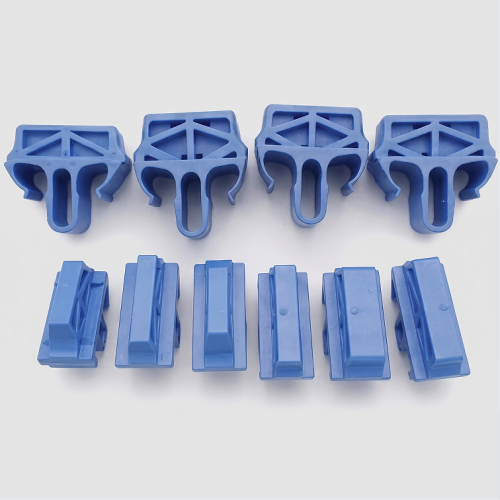
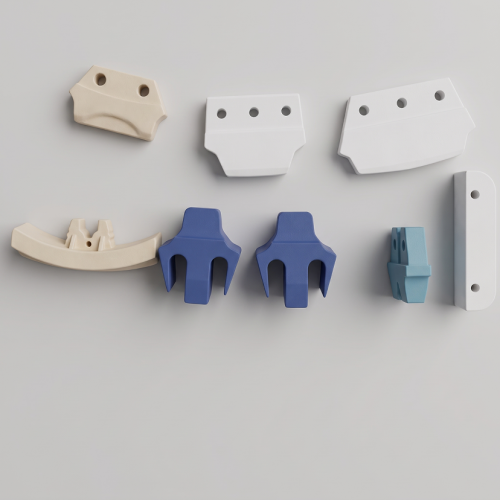
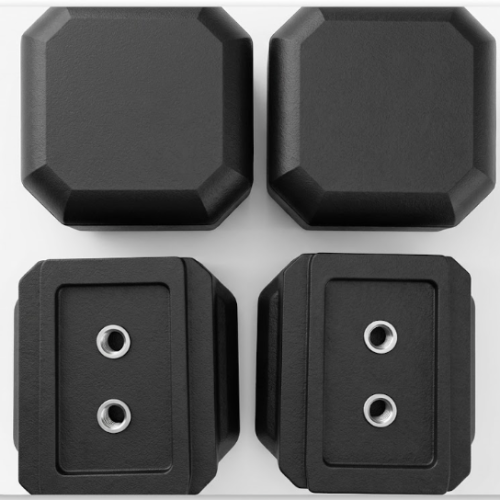
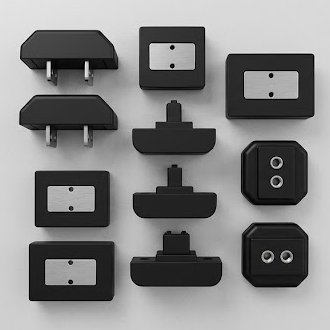
Clamps, Blocks & Line-Specific Parts
Handling and evisceration parts matched to the machine that runs them
Plant Services: Carcass & Waste Disposal
The accessory most plants forget until the inspector asks where the condemned material goes. Our incinerator line covers four models from 30 to 200 kg per hour with water-mist filtration, sized on condemned weight and bio-waste volume rather than on the building you happen to have.
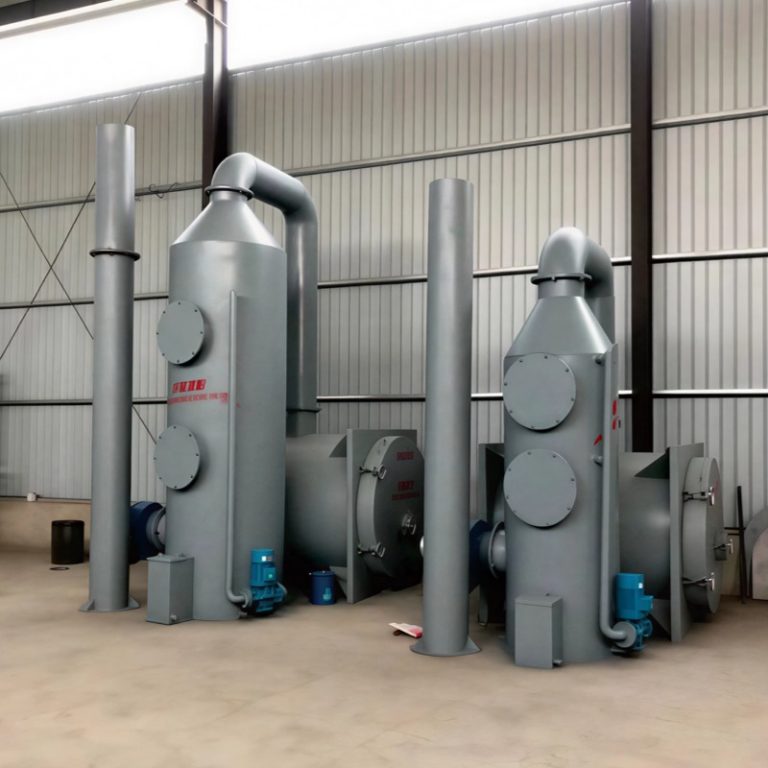
- Daily condemned kilogramsWhole-bird loss, offal trim and the veterinary condemnations from your own inspection line, added together and averaged over a week — not the worst day you have ever had.
- What actually goes inPoultry, pig or bovine material changes the water and fat load, which changes the afterburner and the filtration. Mixed slaughter waste needs a bigger margin than a single-species plant.
- The emission rule you are judged againstWater-mist filtration keeps the visible plume down, but your local environmental limit decides the model and the stack. Tell us the country and we will state what the unit does.
- Standby and batch burningPlants that cannot stop burning run two smaller units instead of one large one; plants that collect for a week burn in batches and buy on peak load instead of average.
- Where the ash goesDisposal of the residue is part of the sizing conversation, and it is the question an auditor asks after they have seen the incinerator working.
Where These Parts Actually Work
Three frames that show what a buyer should ask for: the wear parts kept on the shelf between changes, the hook set racked on the dispatch rail, and the tool bench between shifts.
What The Parts Are Made Of, And Why It Is Checked
Food-contact rubber, declared
Dehairer blocks are nitrile butadiene or silicone compound, written to FDA 21 CFR 177.2600 and EU 10/2011 for food contact, free of heavy metals, rated −20 °C to +120 °C and to 60–80 °C hot wash and steam. The declaration ships with the order.
Stainless grade stated, not implied
201 stainless for the standard carcass hooks, 304 for tools and product-contact parts, with galvanised steel, aluminium alloy and nylon offered where the duty or the budget calls for it. Grade is written on the packing list, because an audit will ask.
Rubber bonded to a metal core
Blocks that take a clamping plate are vulcanised around the metal rather than glued, so the peel strength is in the rubber, not in an adhesive layer that hot fat will find eventually.
Hooks proof-loaded and marked
Section sizes and safe working loads are called out per species — pork, beef, mutton — and the batch is proof-checked before packing. No repair by welding, and no heat-straightening of a bent hook, ever.
Machined to your pitch
Hole centres, bore diameters and tooth profiles are cut on machines from your sample or drawing, not chosen from the three sizes we happen to have in stock. Mismatched pitch is the commonest cause of a returned block.
A wear list with the line
When we supply a line, the consumable list is written with it: blocks and rubber sets, shackles and hooks, gear teeth and nylon wheels, spoons and blades — packed, labelled and boxed for the first eighteen months of your kill volume.
From A Photo On WhatsApp To A Pallet On The Dock
Part identification
Photo, plate number, worn sample or drawing; we confirm what fits your machine.
Specification sheet
Dimensions, material, hardness, load rating and food-contact declaration in writing.
Sample approval
A sample or a filmed dimensional check before the batch is cut, on new part numbers.
Production & QC
Moulding, machining, polishing and proof-loading in our own works, batch recorded.
Packing & marking
Part number, size and quantity on every box, with the photos of the loaded container.
Resupply programme
Your machine list stays on file, so a reorder is one message, not a re-specification.
Four Buyers Of Accessories, Four Different Needs
In-house maintenance teams who need the part tomorrow and want the same part again next year, matched to the machine plate rather than a catalogue.
Plants running European or US equipment where the consumable is quoted at nine weeks and eight times the local cost.
Integrators who buy blocks, hooks, runners and drives as components and put their own name on the finished machine.
Stockists who need a mixed container of fast-moving sizes, neutral packing and a stable price across the year.
Paperwork That Survives The Audit
What We Need To Match It To Your Machine
Send these and a named NPW engineer returns a specification sheet, a compatible part number and a factory-direct price within 24 business hours. A photo of the installed part with a tape measure across it is worth more than a model number.
- Machine: dehairer, rail, shackle or line make, model and plate
- Dimensions: block length, thickness and centre-to-centre hole distance
- Sample: worn part posted to us, or photographs with a caliper reading
- Rail data: tube outside diameter, wheel bore, track radius, chain pitch
- Load: hot carcass weight per hook and birds or head handled per hour
- Duty: shifts per day, kill volume, and how long the part lasts now
- Material: 304, 201, galvanised, nylon, TPU, NBR or silicone
- Site: wash-down temperature, water and steam supply, destination port
FAQ
Measure three numbers on the block you are replacing: overall length, thickness and the centre-to-centre distance between the two fixing holes. That is the whole specification — 91, 200, 230, 231, 235 and 240 mm lengths are on this page, in 19 to 40 mm thicknesses, at 50, 60, 62, 64 and 65 mm pitch, plus an adjustable-pitch export block. If the drum arms are worn or the old block is missing, photograph the arm with a tape measure and we will tell you what to order.
They fail differently. Food-contact NBR and silicone rubber give grip and stay forgiving on the carcass, and they are the right choice where hair removal quality and skin protection matter more than wear hours. Polyurethane is harder and lasts longer, but it grips less aggressively and bruises the carcass sooner when the drum runs hot. Most pig plants run rubber on the main drum and reserve harder compounds for the head, hoof and claw stations, which is exactly how our sets are arranged.
No, and we do not sell them as genuine. We are a third-party manufacturer producing compatible replacement parts to the dimensions of the installed component — gear disc teeth, nylon walker wheels, chest pulling blocks, clamps, return line fingers and the parts lists for automatic broiler lines. That distinction is written on the invoice and the packing, and it is the honest way to buy a consumable at a fraction of the original price without pretending the box came from the OEM.
Yes, and this is most of what we do. A worn sample posted to Qingdao is the fastest route — we measure it, reverse the profile, and send back a drawing for your approval before the batch is cut. Where posting is too slow, a photograph with a caliper on the critical faces is usually enough for a first quotation and a sample, which we then confirm on the physical part.
On a continuous pig plant, dehairer blocks are a planned item every few months, checked whenever hair left on the carcass rises or the drum starts to glaze. Hooks and shackles are inspected rather than replaced — discard on deformation, cracks, wear at the load-bearing radius, or any sign of repair welding, not on a calendar. Gears, teeth and nylon wheels on an automatic line wear with hours of running, so a plant on three shifts consumes them roughly three times faster than one on a single shift. Tell us your volume and we will size the first consumable order with change intervals built in.
Yes. The tubular-rail range is called out by species: roughly 150 kg working load on a pork hook with a recommended safe working load above 500 kg, about 500 kg on a beef side with SWL above 2,000 kg, and about 40 kg on a mutton carcass with SWL above 200 kg. Hooks are supplied in 201 stainless as standard, with galvanised steel, aluminium alloy and nylon offered for specific rails and environments. The weak point in a suspended line is rarely the hook alone, so send us the rail drawing and we will check the carrier, the runner and the track radius against the same load.
Every box carries the part number, the size and the quantity, and each pallet is photographed before the container is sealed. Mixed accessory orders are packed by part rather than by weight, so the maintenance store can put the pallet away without opening it. If your plant has its own labelling or barcode convention, we print to it.
That is the recommended way to buy them. When a line ships, the container already carries spares, and adding a year of blocks, hooks, shackles, drive teeth and wheels costs freight you are paying anyway. A consumable kit bought with the machine is also the cheapest version of that kit, because it is specified while the drawings are still open on the engineer’s desk.
Stocked block sizes and standard hooks, spoons and pliers normally leave the works within 7–15 days. Parts that need a new mould or a machined fixture — a non-standard pitch, a gear profile, a proprietary clamp — run 25–40 days including sample approval. Minimum quantities are per part number and are stated on the quotation; for a first order we would rather mix several part numbers in one pallet than have you commit to a year of one size.
Get Your Accessory And Wear-Part List Priced
Send the machine, the dimensions and the quantity you burn in a year — a named NPW engineer returns the specification sheet, the compatible part number and a factory-direct quotation within 24 business hours.
Tell Us About The Part
- Machine: dehairer, rail, shackle or imported line make and model
- Part: block, hook, carrier, gear, wheel, clamp, spoon, knife
- Size: length, thickness, hole pitch, bore or tube outside diameter
- Load: carcass weight per hook, or head and bird throughput
- Material: 304, 201, galvanised, nylon, TPU, NBR or silicone
- Duty: shifts per day and how long the current part lasts
- Quantity: pieces per part number and your annual consumption
- Delivery: destination port and whether it rides with a machine order
Talk To Your Engineer
Every NPW solution is handled end to end by one named engineer — capacity sizing, layout drawings, configuration lists and shipping schedules. Reach out directly and you will speak to the person responsible for your line, not a call centre.