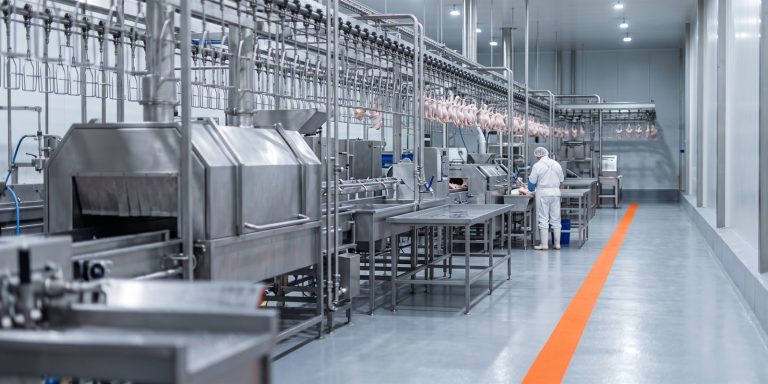
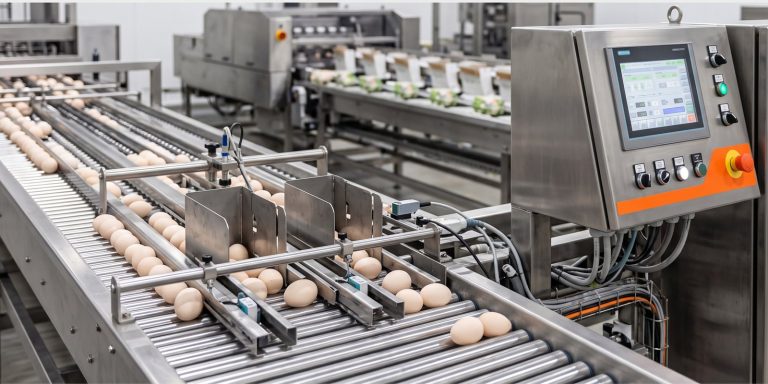
Recently, a client from Kenya arrived in Qingdao for an in-depth on-site inspection and business exchange at the NPW factory. The focus of this visit was to tour the wastewater treatment equipment production workshop, where both parties engaged in thorough technical discussions and customized solutions for the wastewater challenges of cattle slaughterhouses.
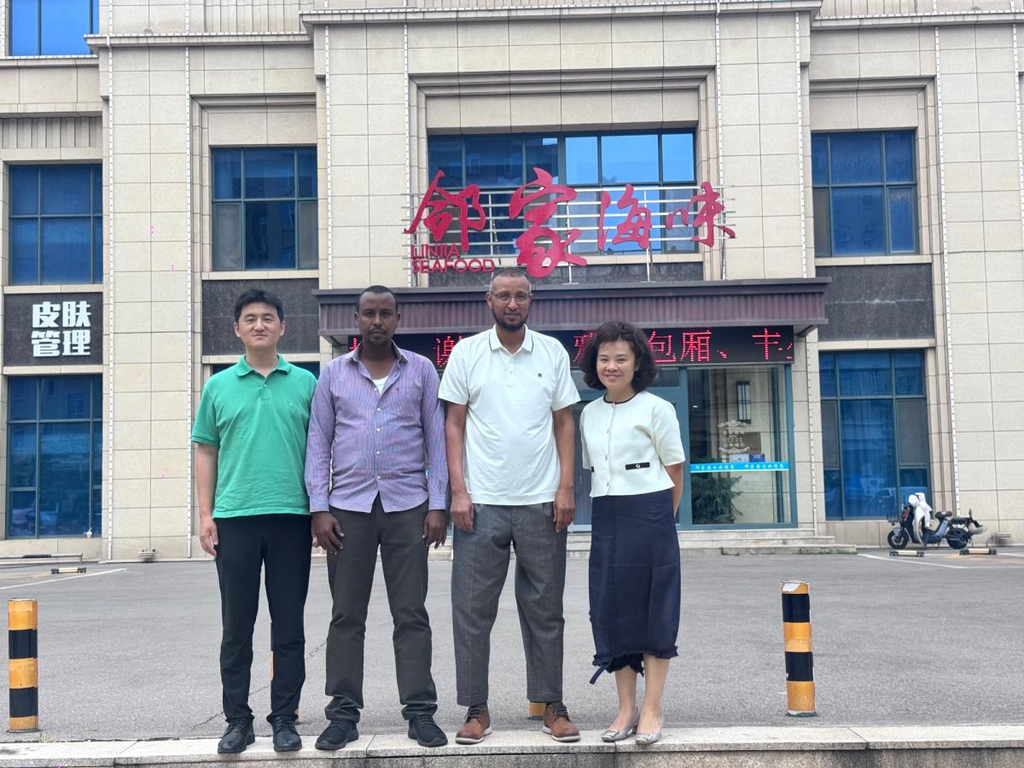
[Photo 1: Group photo of the client and NPW team at the wastewater treatment workshop or factory entrance]
Into the Environmental Workshop: Witnessing Manufacturing Strength
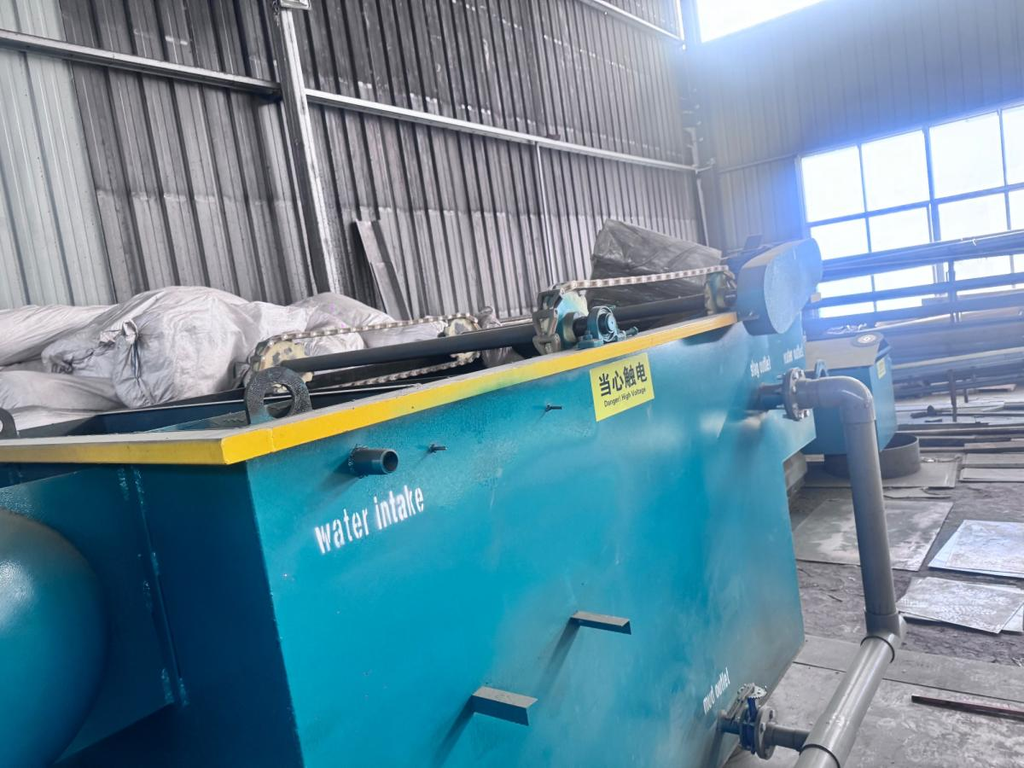
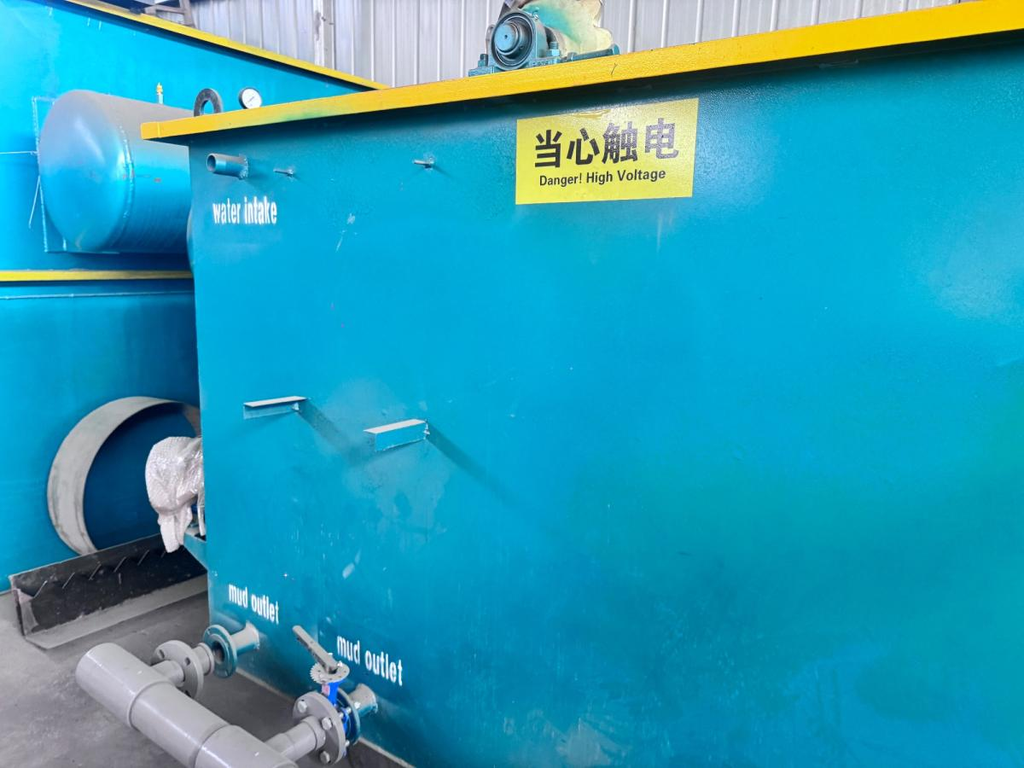
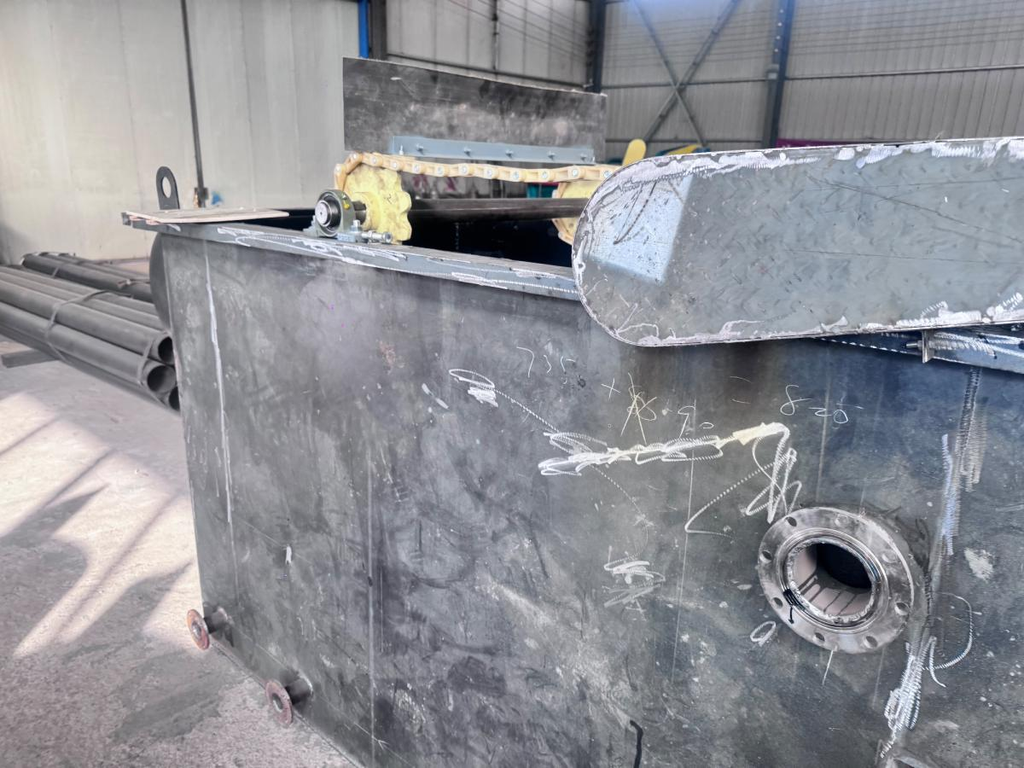
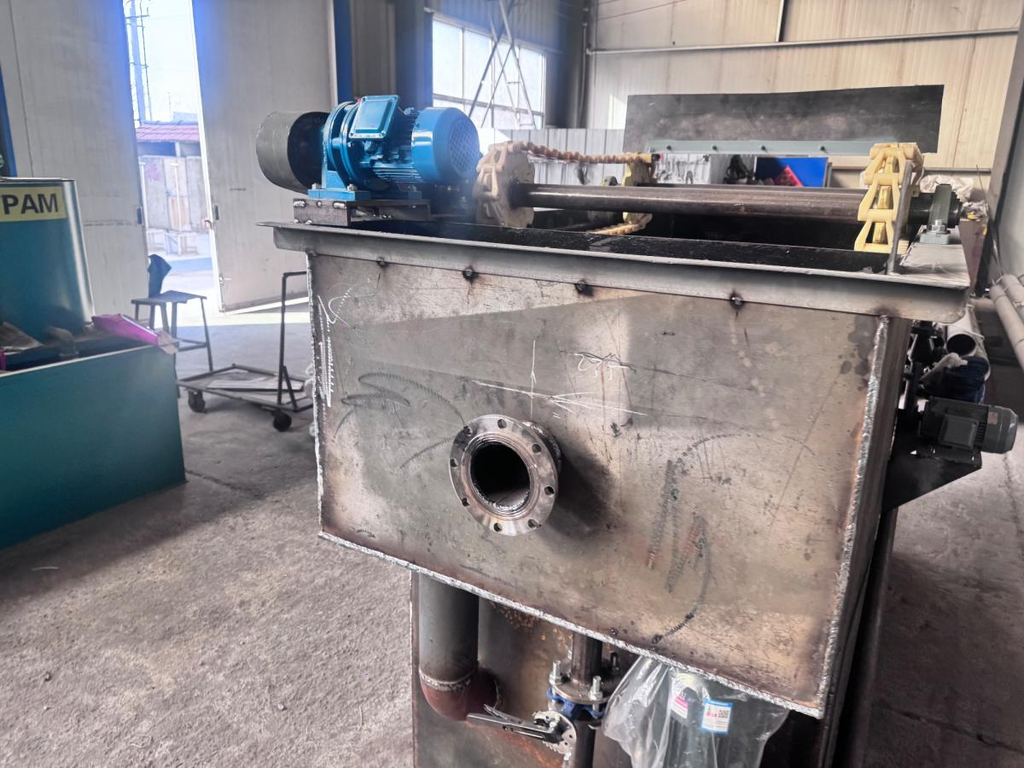
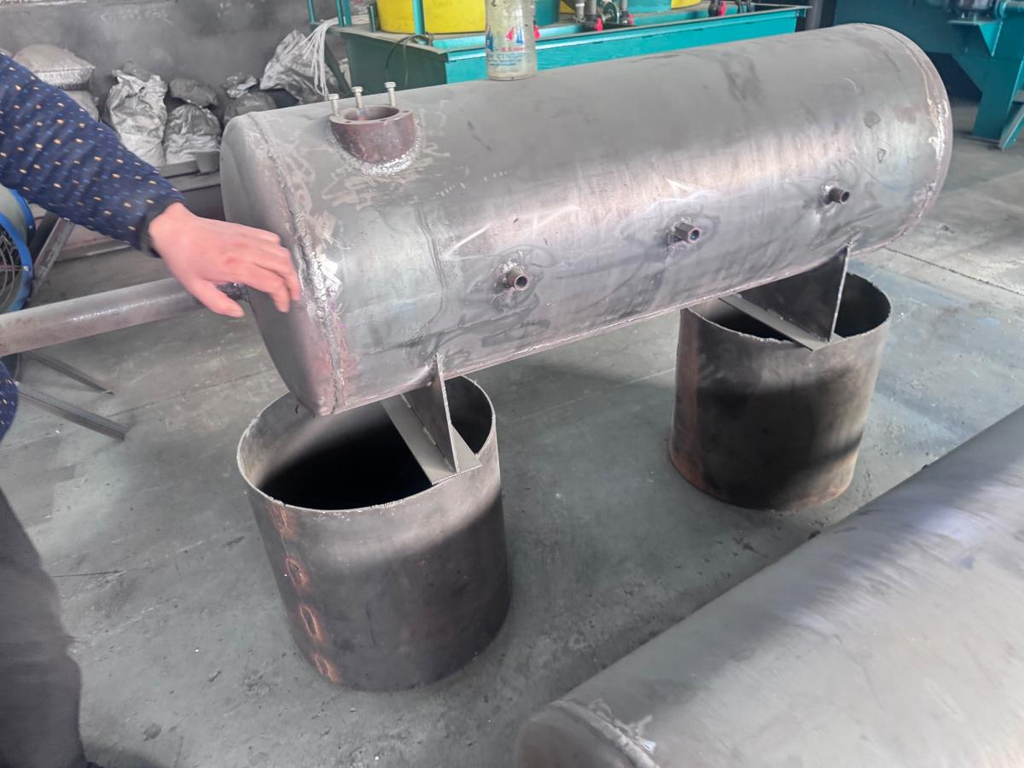
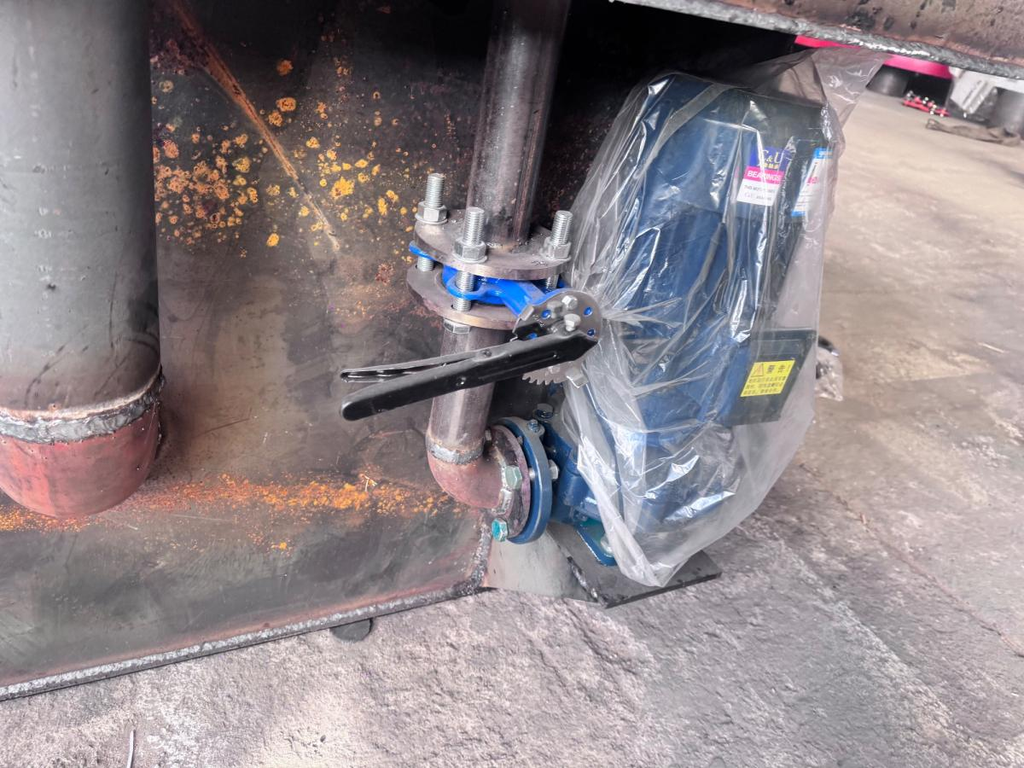
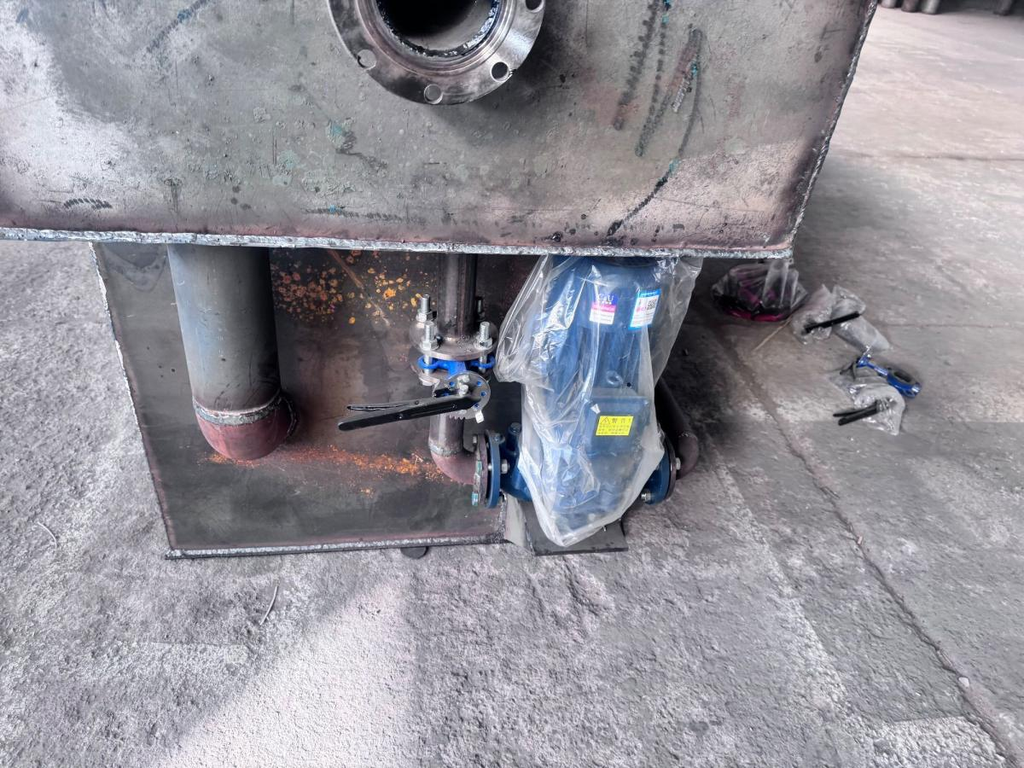
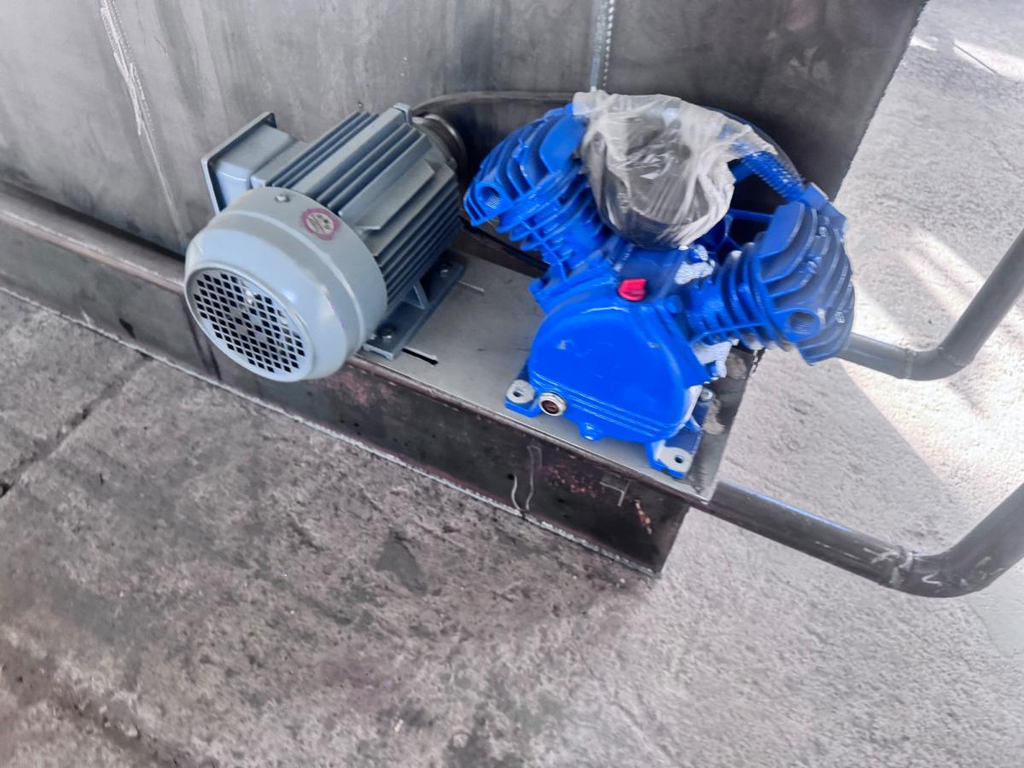
Accompanied by the NPW foreign trade team and environmental engineers, the client first visited the wastewater treatment equipment production workshop. From anti-corrosion treatment and tank welding to the assembly and testing of core components, the client closely observed the entire production process and highly praised NPW’s craftsmanship and quality control system in the environmental equipment manufacturing field.
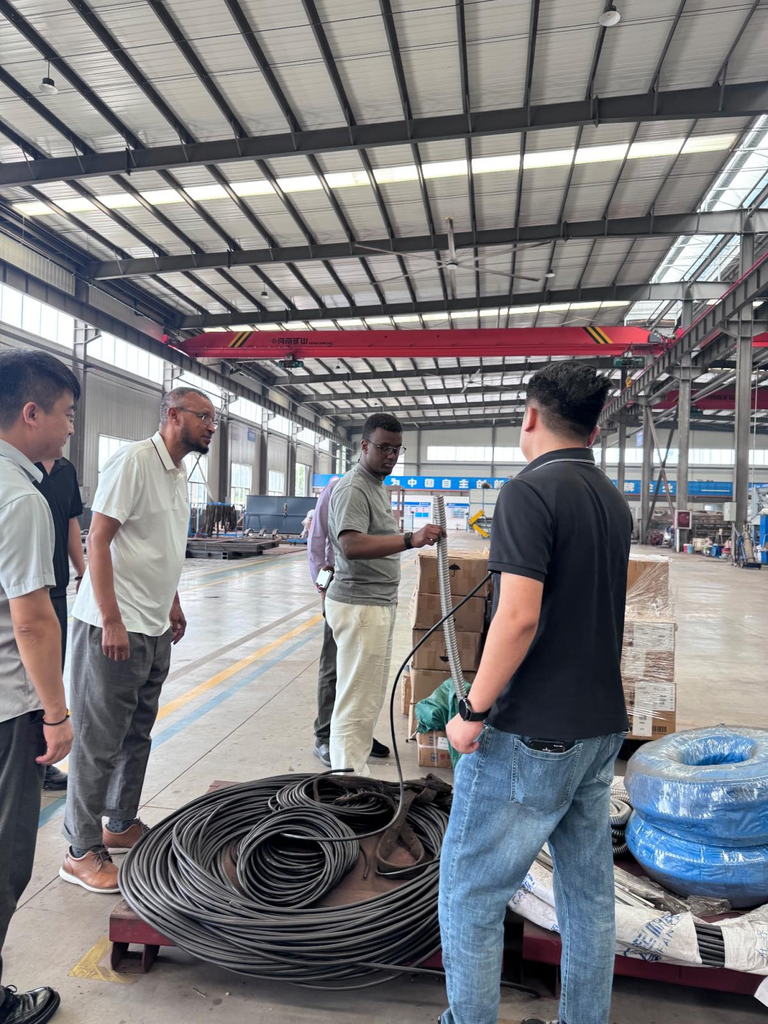
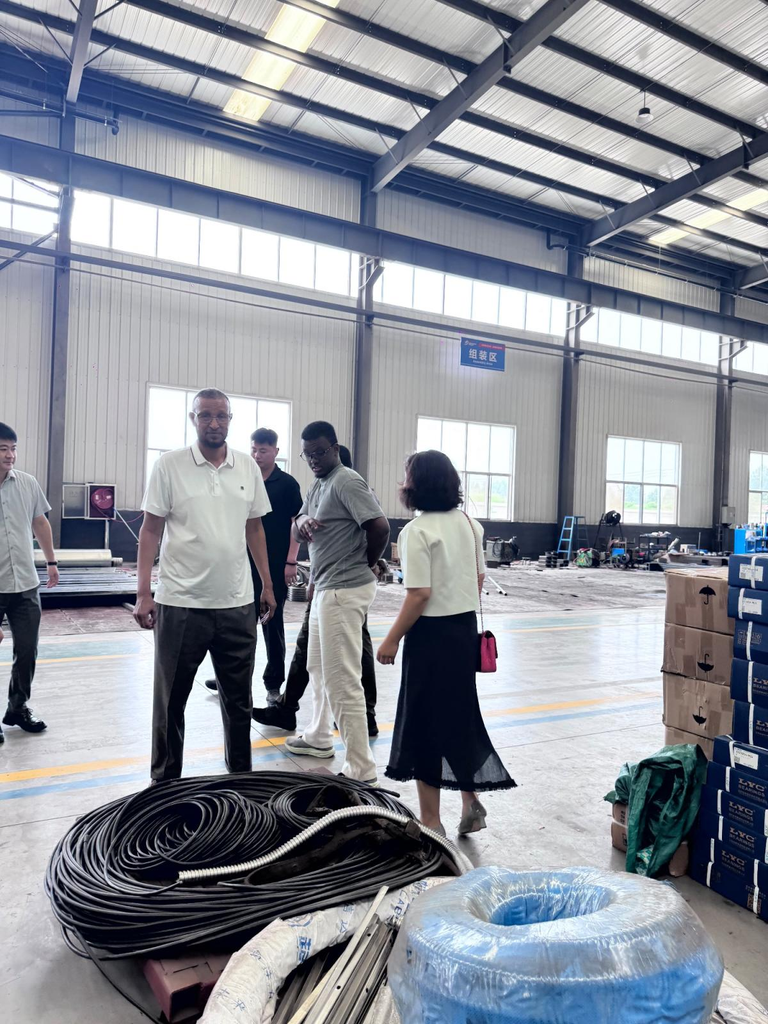
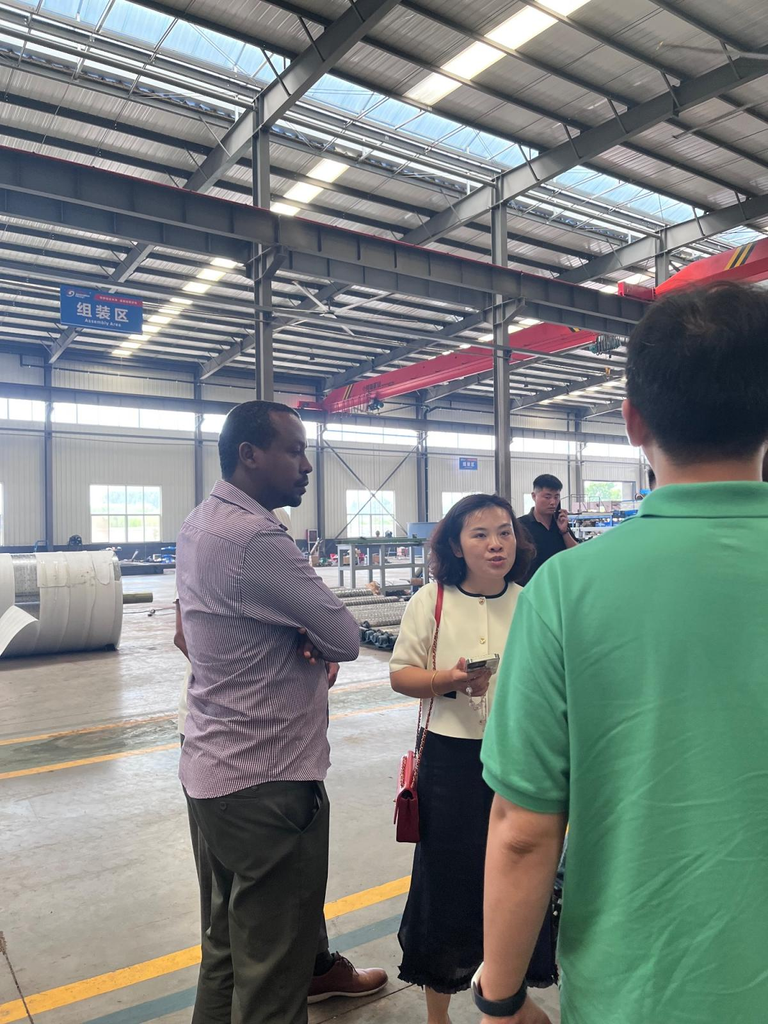
[Photo 2: The client visiting the wastewater treatment equipment workshop, or the engineer explaining equipment details]
Customized One-Stop Solution: Tackling High-Concentration Slaughterhouse Wastewater
Addressing the wastewater discharge pain points faced by the client’s local cattle slaughterhouse, the NPW technical team tailored a one-stop wastewater treatment solution with a daily capacity of 600 tons. During the observation and exchange, the engineer broke down the core process flow of this solution in detail:
Physical Pre-treatment: Wastewater first enters the sedimentation tank for raw water settling, where large particles and suspended solids are removed via automatic scum removal equipment.
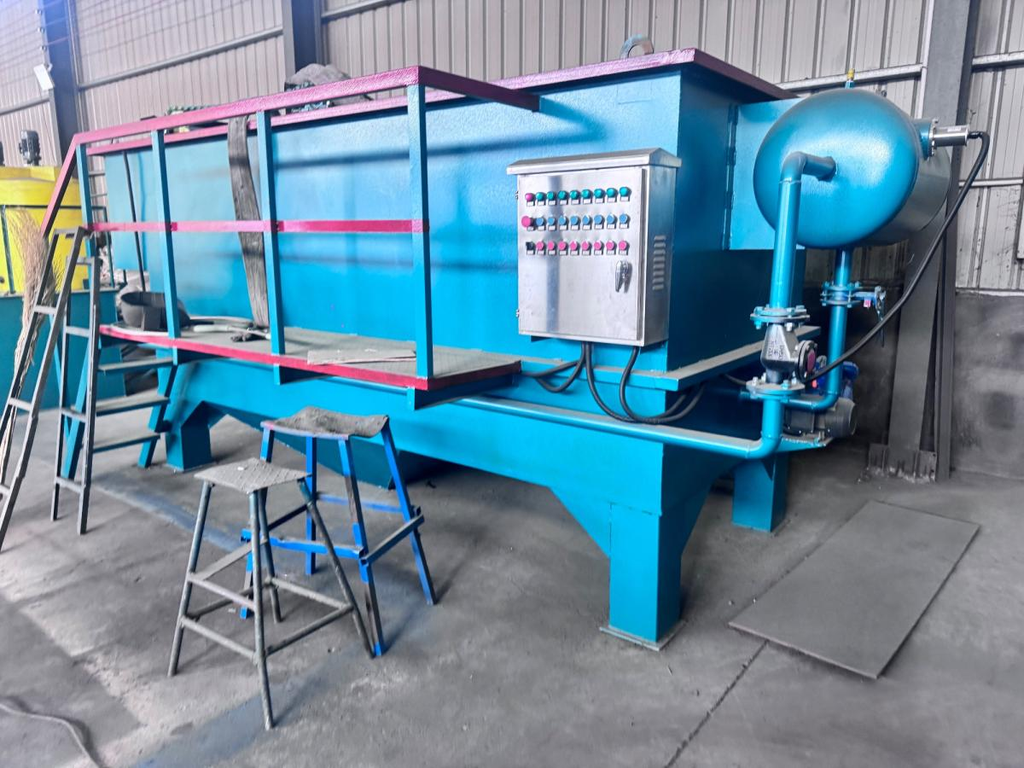
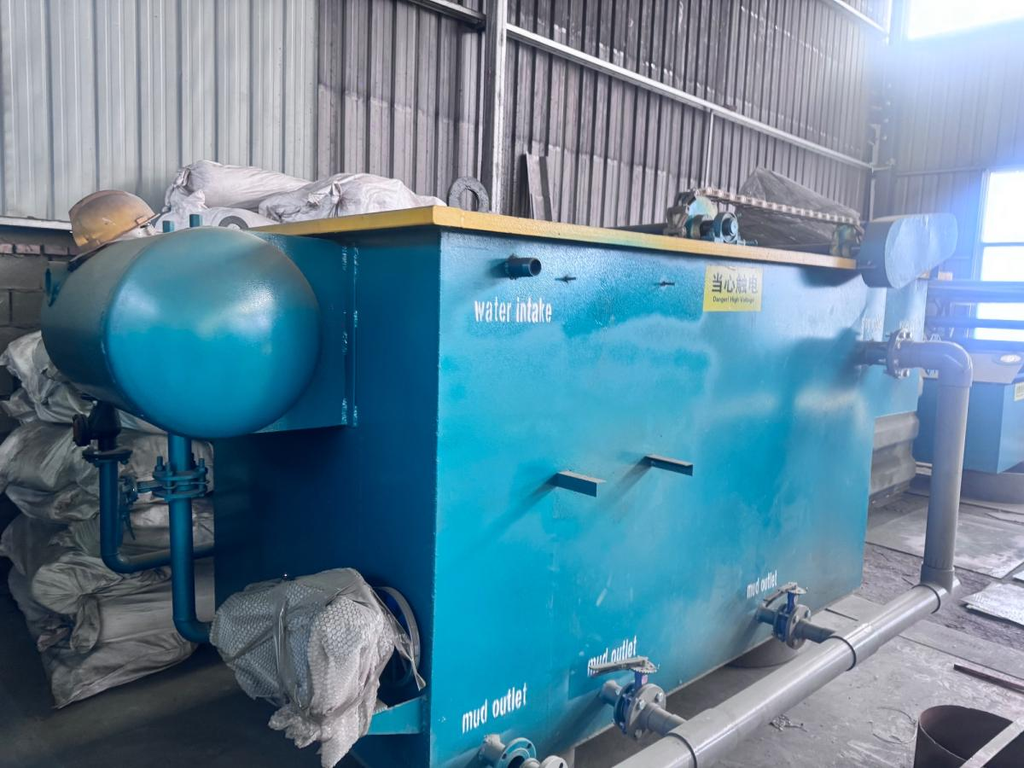
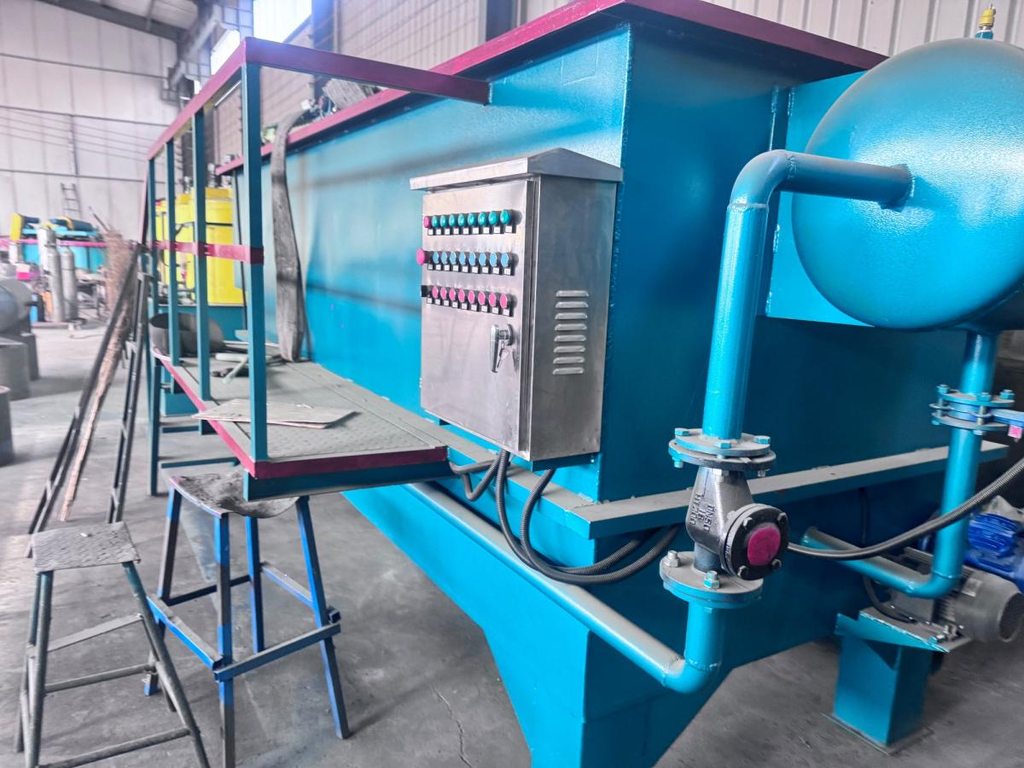
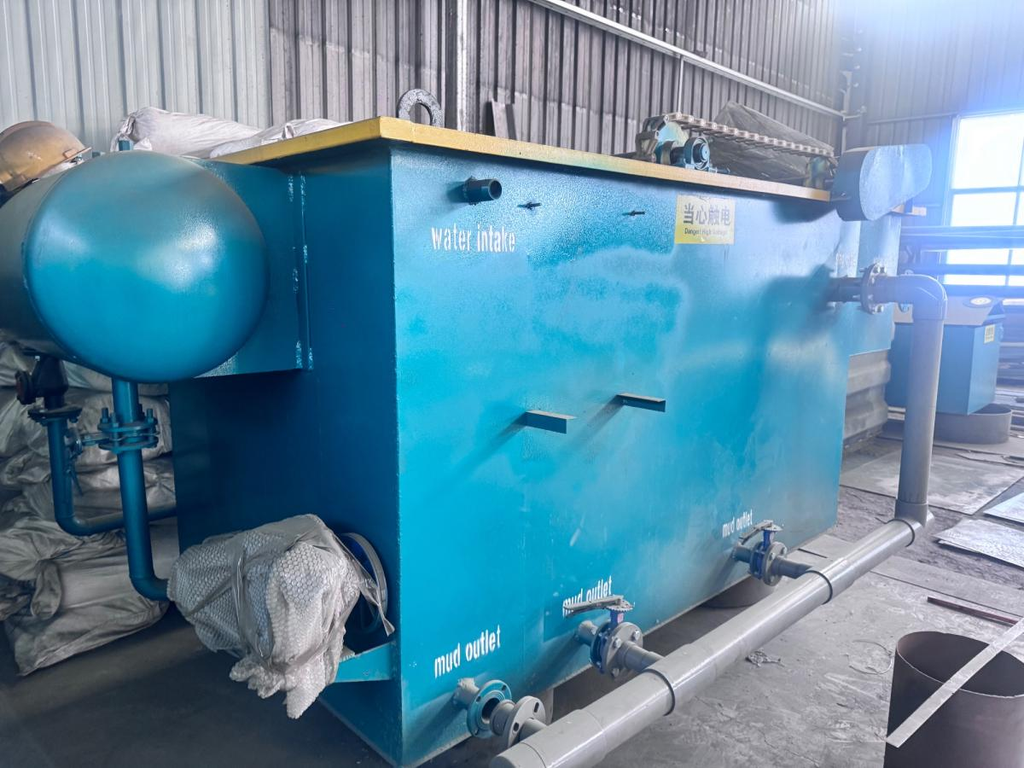
Physicochemical Treatment: It then enters the air flotation machine, where coagulants are added for efficient flocculation to deeply remove grease, colloids, and suspended solids from the wastewater.
Biological Treatment: In the biochemical tank, microorganisms are utilized for degradation to achieve advanced ammonia-nitrogen reduction.
Compliant Discharge: After layer-by-layer purification through the entire system, the final effluent COD is reduced to below 500 mg/L, fully meeting the local municipal sewage discharge standards.
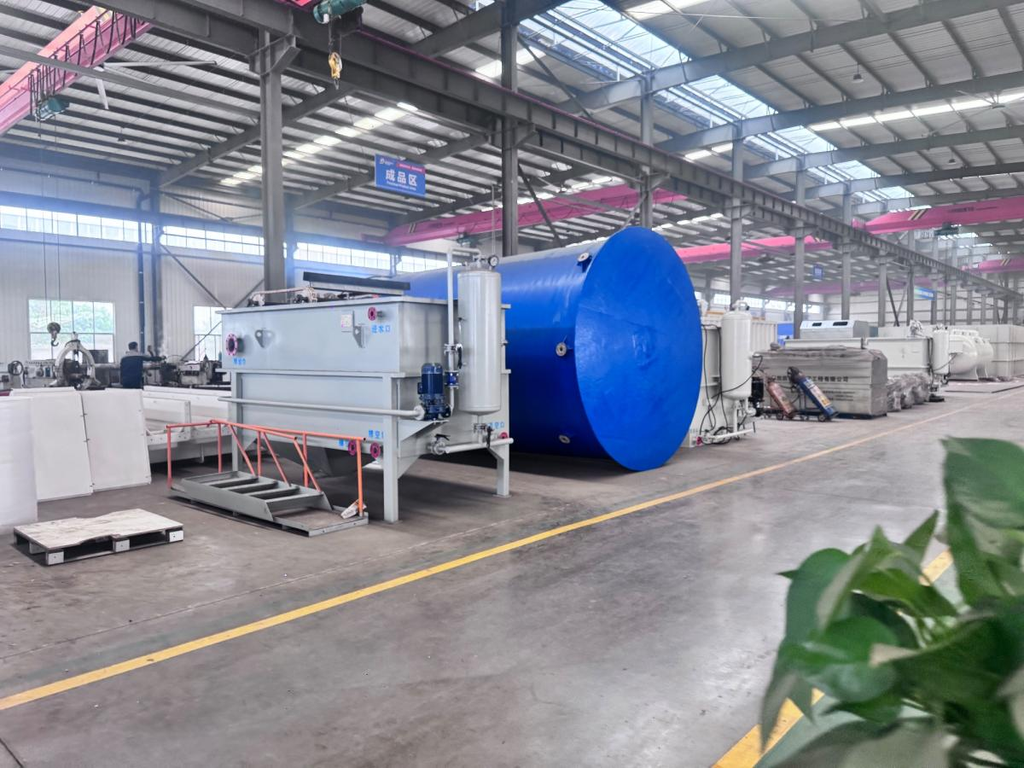
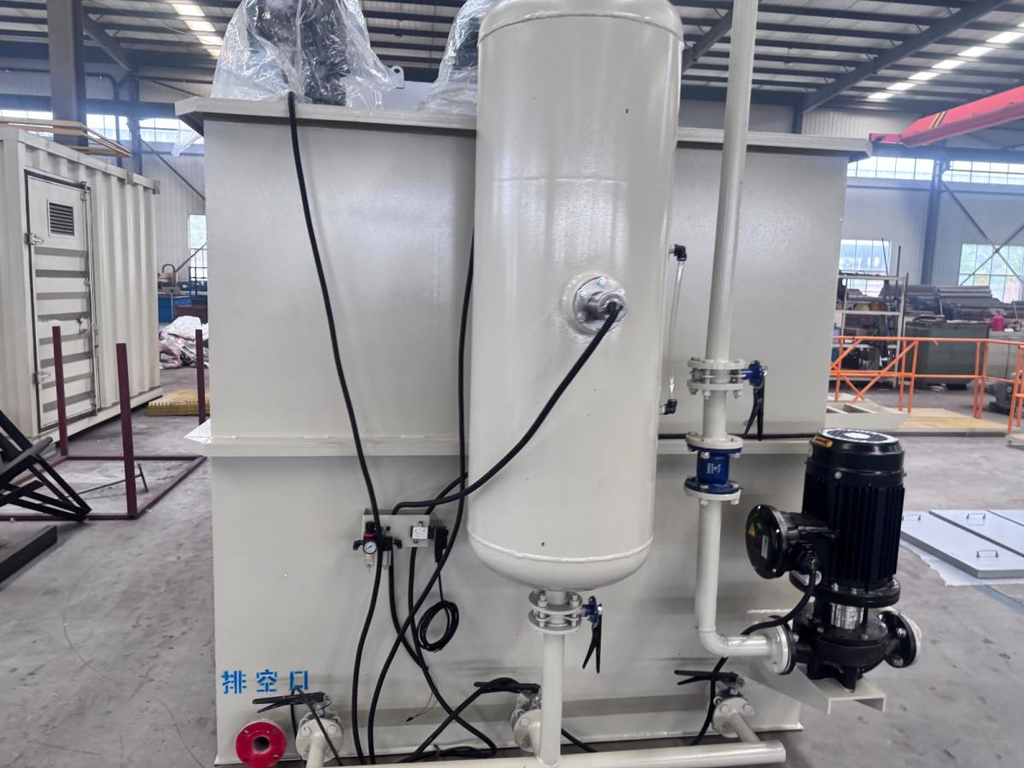
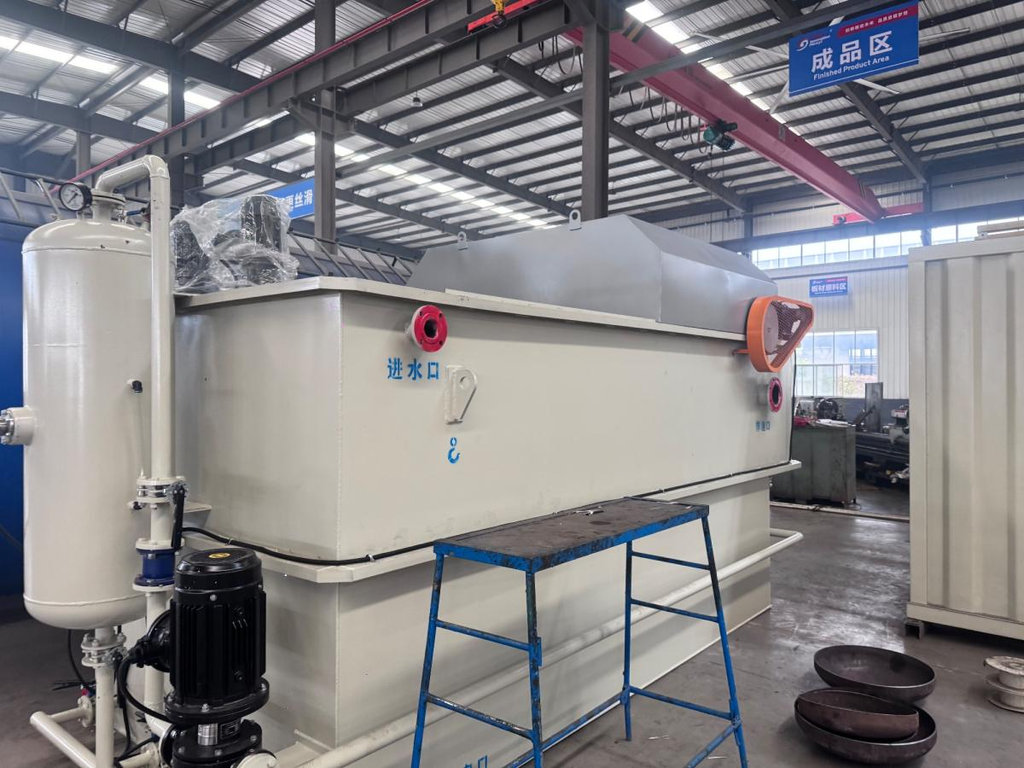
[Photo 3: Actual photos of the air flotation machine, biochemical tank, or the engineer presenting CAD process flow diagrams/calculation data to the client]
In-Depth Discussion: Finalizing Implementation Details
After the on-site inspection, both parties held detailed discussions in the conference room regarding site planning, equipment layout, installation, and commissioning details for the 600-ton wastewater treatment project. The client highly recognized NPW’s “Sedimentation + Air Flotation + Biochemical” combined process solution, believing it to be highly targeted and efficient, effectively solving the environmental compliance challenges of the cattle slaughterhouse.
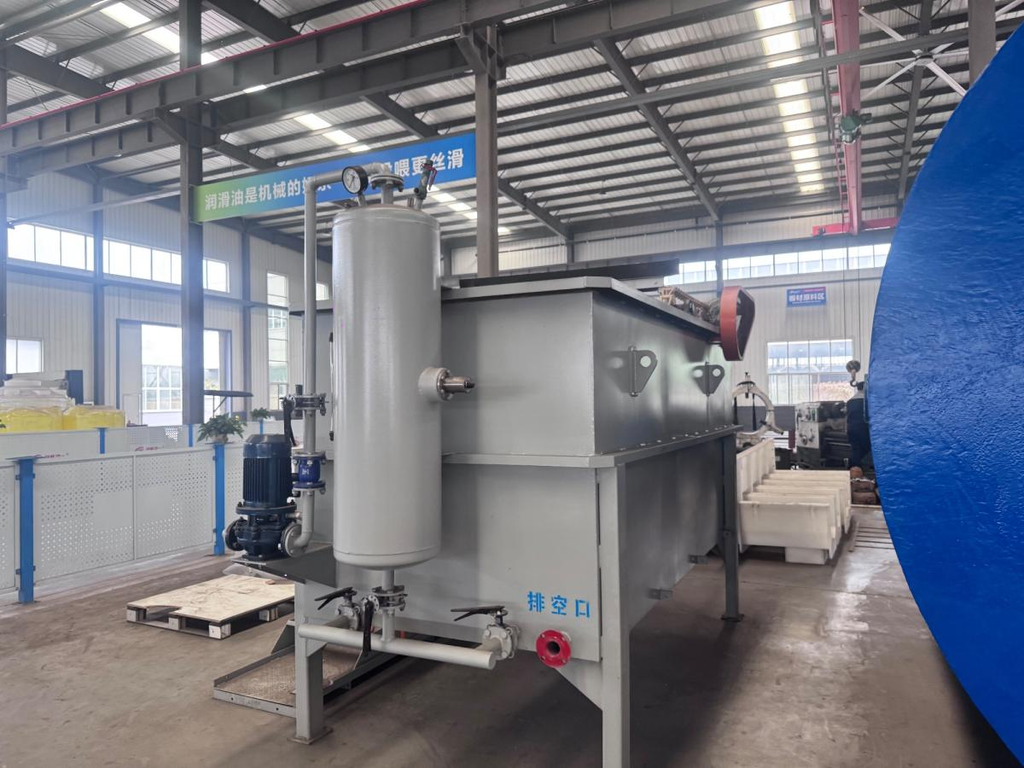
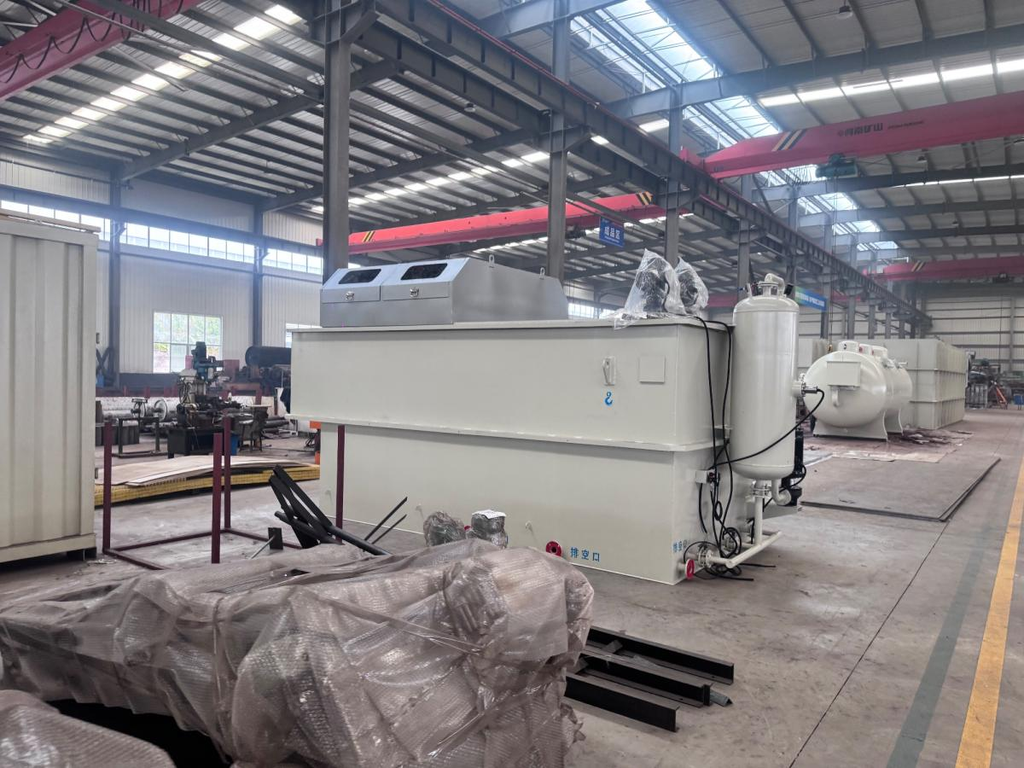
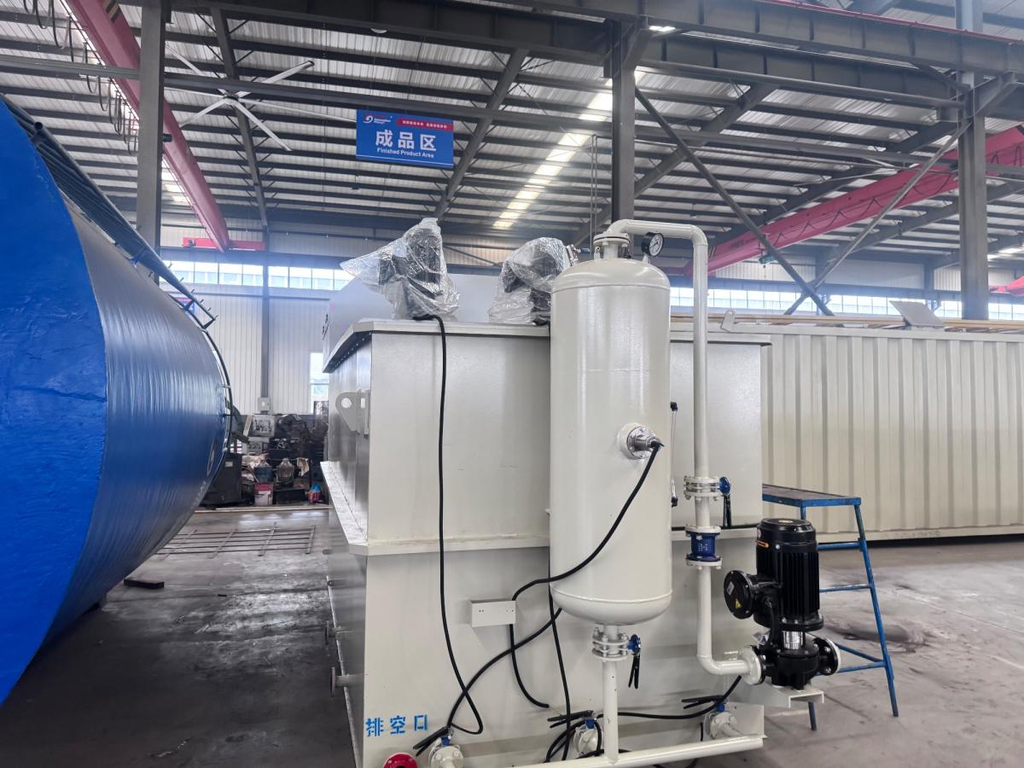
This on-site inspection by the Kenyan client not only deepened their trust in NPW’s environmental equipment manufacturing capabilities but also laid a solid foundation for cooperation in the slaughterhouse environmental protection field. NPW remains committed to providing global slaughtering and food processing enterprises with one-stop environmental solutions ranging from environmental assessment planning and equipment manufacturing to installation and commissioning, helping enterprises achieve green and compliant sustainable development.
Solutions related to this article
 Cattle & SheepCattle & Sheep Slaughter Equipment SolutionsStunning, hoisting, hide removal and dressing for cattle, sheep and goat lines.View solution →
 WaterWater Purification Equipment SolutionTreatment and reuse for process water, scalding tanks and plant supply.View solution →
 PoultryComplete Poultry Slaughter Line SolutionsHanging, scalding, plucking, evisceration and chilling on one continuous line.View solution →