For commercial egg producers, the gap between a profitable flock and a marginal one usually comes down to how consistently the birds are fed, watered and kept comfortable. NPW’s fully automatic layer cage systems are engineered to deliver that consistency at scale, combining hot-dip galvanized structural frames with synchronized feeding, drinking, manure removal and egg collection — all coordinated from a single control cabinet.
What Defines a Truly Automatic Layer House
A genuine automatic layer facility is not simply a set of cages with a feed hopper bolted on top. It is an integrated production line in which every mechanical function runs on a coordinated cycle. When the feeding trolley starts moving, the egg belts are already indexed, the manure belts are on their cleaning schedule, and the ventilation curve is responding to live temperature and humidity readings. That synchronization is what allows one operator to manage tens of thousands of birds per shift.
Core Equipment Modules
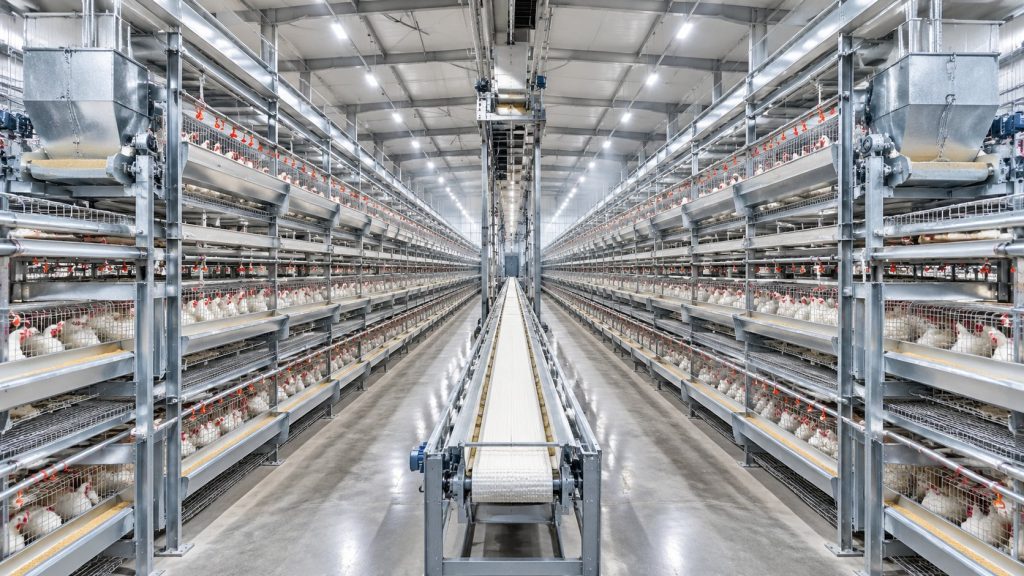
- Automatic feeding: a traveling hopper trolley distributes uniform feed rations along each tier, eliminating manual scooping and reducing feed waste.
- Nipple drinking lines: pressure-regulated nipple drinkers supply clean water at consistent flow, keeping litter and belts dry.
- Manure belt removal: belts beneath each tier convey droppings to a cross conveyor, cutting ammonia levels and labour hours.
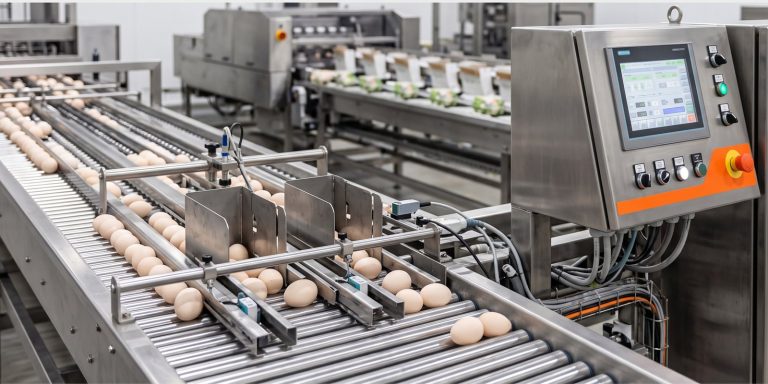
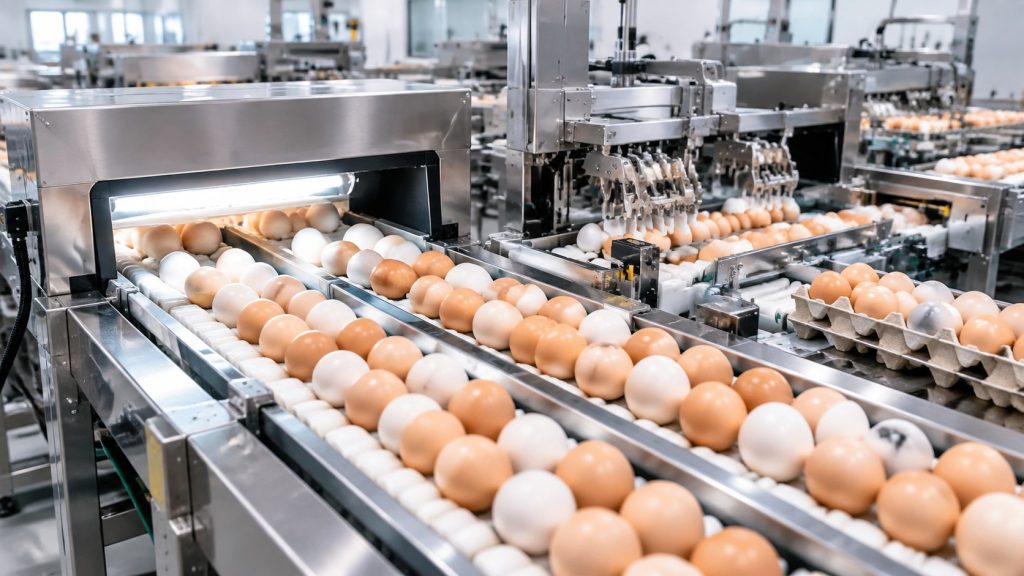
- Egg collection: gentle inclined belts move eggs to a central gathering table with minimal shell damage.
- Climate control: tunnel ventilation, cooling pads and fans maintain an even house temperature in hot seasons.
- Central control panel: one interface manages feeding times, belt cycles, lighting programmes and alarms.
H-Type and A-Type Configurations
The H-type structure stacks tiers vertically for maximum birds per square metre of floor space, making it the preferred choice for high-density modern layer houses. The A-type configuration offers easier access and inspection, which suits medium-scale farms and retrofits. Both are built from hot-dip galvanized steel with reinforced cage mesh, and both can be expanded module by module as flock size grows.
Performance and Farm Economics
Automation pays back through three channels: lower labour cost, lower feed waste and lower egg breakage. With belt-based egg handling and precise rationing, farms typically see a cleaner egg grade mix and fewer cracked shells reaching the packing table.
Automation is not about removing people from the barn — it is about removing variability from the production cycle, so every hen in every tier receives the same feed, water and air.
Hygiene, Biosecurity and Build Quality
Disease control starts with dry manure and clean water. Because the belts remove droppings several times a day, ammonia concentrations stay low and respiratory pressure on the flock is reduced. Smooth galvanized surfaces resist corrosion from manure and disinfectants, and the open structure allows thorough cleaning between flocks.
Delivery, Installation and Support
NPW supplies complete systems in export-grade packing, with components labelled by tier and function so installation crews can work without guesswork. Our engineers provide layout drawings, loading plans and commissioning guidance, then stay available for spare parts and technical consultation throughout the production cycle.
From a single house to a full multi-house complex, NPW builds automatic layer cage systems that turn daily routines into repeatable, measurable processes — and that is where egg profit is actually made.
Solutions related to this article
 FarmingPoultry & Livestock Equipment SolutionBroiler and layer houses with feeding, drinking, climate and manure systems.View solution →
 CleaningFood Industry Cleaning Equipment SolutionsFoam, CIP and washdown systems for food-contact surfaces and drains.View solution →
 EggsEgg Sorting SolutionsWashing, candling, grading and packing lines for table egg and hatchery plants.View solution →