Why Overhead Chain Tension Is Critical for Poultry Slaughter Lines
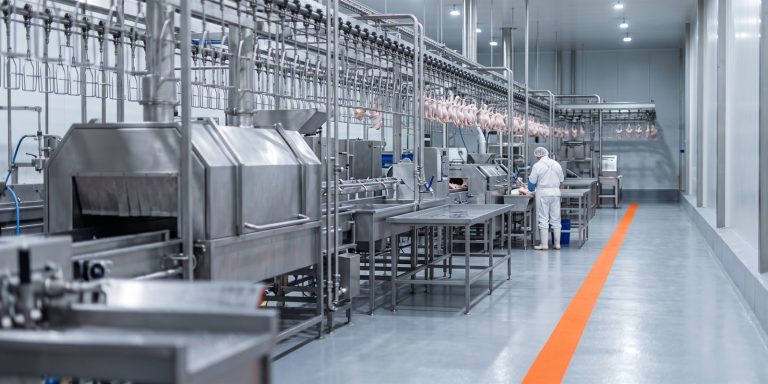
On any integrated poultry slaughter line, the overhead conveyor chain is the backbone of the entire process—transporting live birds through stunning, bleeding, scalding, plucking, and evisceration. Incorrect chain tension leads to premature wear, chain jumping, excessive noise, and even production downtime. At NPW, we design our overhead chains and drive systems to exacting standards, and proper installation and tension adjustment are essential for maximizing equipment lifespan and maintaining hygiene.
Installation Best Practices for Overhead Chains
Before tensioning, ensure the entire track system is level and aligned. NPW recommends the following steps:
- Verify track alignment: Use a laser level or tensioned string to confirm straightness and slope. Any misalignment will cause uneven wear.
- Check sprocket and idler alignment: Drive and return sprockets must be parallel to the track to prevent side loading.
- Lubricate the chain: Apply food-grade lubricant to reduce friction during initial running-in.
- Install the tensioner: NPW’s spring-loaded or gravity tensioners allow precise adjustment without tools.
Step-by-Step Tension Adjustment
Proper tension is a balance: too tight increases power consumption and wear; too loose causes chain sag and jumping. Follow this procedure:
- Run the chain at low speed for 10–15 minutes to settle components.
- Measure the sag at the lowest point of the return span. For NPW standard chains, sag should be 1–2% of the span length.
- Adjust the tensioner until the sag is within spec. Tighten locking bolts securely.
- Run the chain at full speed and observe for vibration or noise. Re-check sag after 30 minutes of operation.
- Record the final tension setting for future maintenance reference.
Maintenance and Troubleshooting
Regular inspection prevents unexpected failures. Check chain elongation monthly using a wear gauge; replace the chain if elongation exceeds 2%. Listen for unusual noises—these often indicate misalignment or insufficient lubrication. NPW’s overhead chains are manufactured from high-strength stainless steel and are designed for easy maintenance, ensuring your chicken slaughter machine and chicken scalder operate at peak efficiency. A routine foam cleaning system and other food industry cleaning equipment keep the track and surrounding components free of buildup between inspections.
“Correct chain tension is not just about avoiding breakdowns—it directly impacts bird welfare, product hygiene, and operational cost. NPW’s precision engineering and clear installation guidelines help processors achieve flawless performance.”
For more detailed technical support or to inquire about NPW’s poultry slaughter line equipment, contact our team today.
Solutions related to this article
 PoultryComplete Poultry Slaughter Line SolutionsHanging, scalding, plucking, evisceration and chilling on one continuous line.View solution →
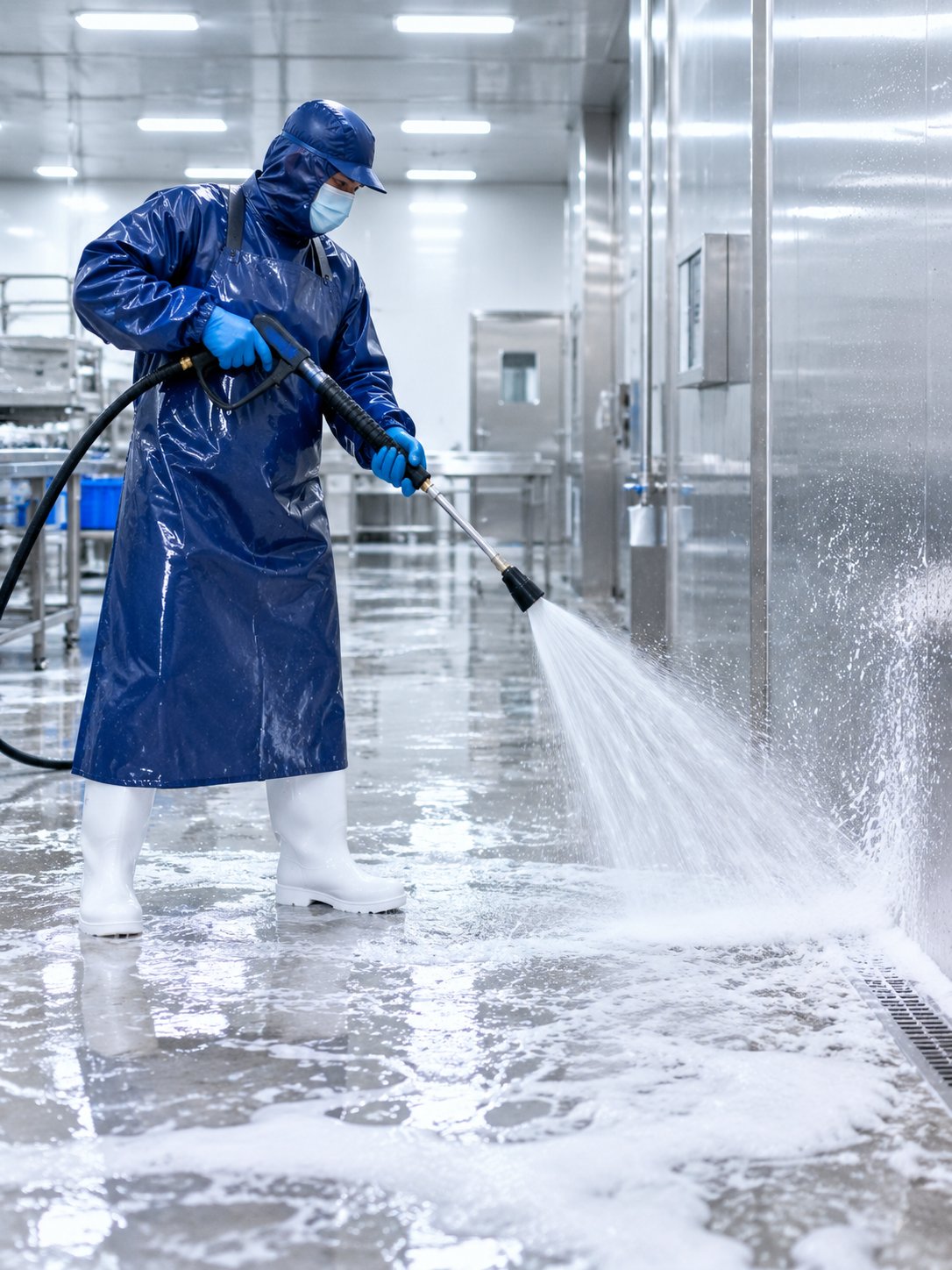 CleaningFood Industry Cleaning Equipment SolutionsFoam, CIP and washdown systems for food-contact surfaces and drains.View solution →
 IceIce Making Equipment SolutionFlake and tube ice for pre-chilling, chilling tanks and cold chain.View solution →