A Farm Is Bought Per Bird, Not Per Cage
Housing, feeding, drinking, climate and egg handling are one system, and the numbers that matter are per bird: feed wasted per tray, breakage per tray moved, litres leaked per nipple, degrees of house temperature in July. NPW supplies the whole farm package from one works — 44 machines across four chapters below, plus the consumables that keep it running.
Where A Farm Loses Money Before The First Sale
Feed is 65–70% of the cost of growing a bird, and most of what a farm loses is not the feed it buys but the feed and water it wastes. These are the numbers we design against.
- Feed wasted at the trough, not the silo
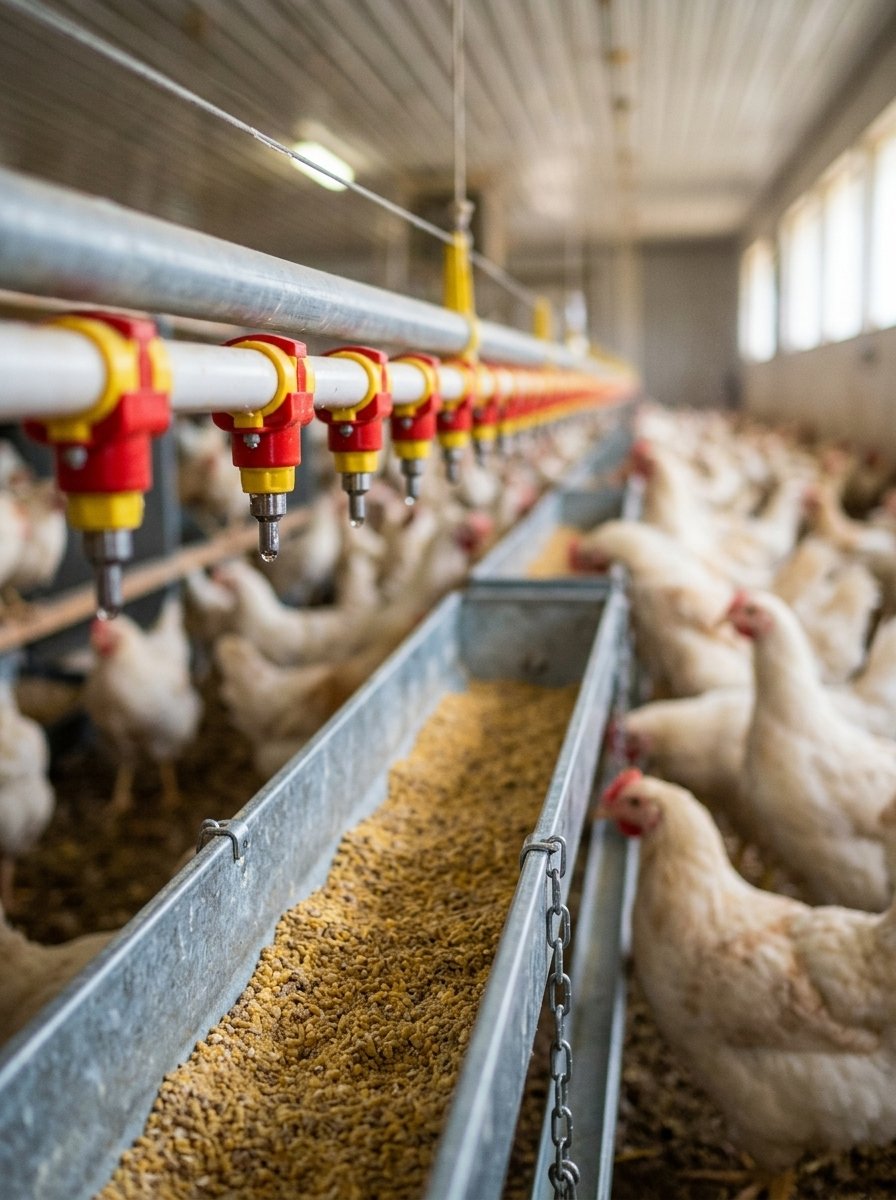
Trough height, chain speed and pan spacing decide how much feed ends up on the litter. Set for the wrong bird age and a house can lose several percent of its feed — more than the margin on the whole batch.
- Leaking nipples cost two ways
A dripper wets the manure below, which raises ammonia, damages feet and invites coccidiosis. The water bill is the smaller half of that loss.
- Density, flooring and breakage
Cage tier and slope, slat flex and gap, and how eggs travel from nest to crate all show up as cracked and dirty eggs — the single easiest grade loss to fix at specification stage.
Housing: Cages & Floor Rearing
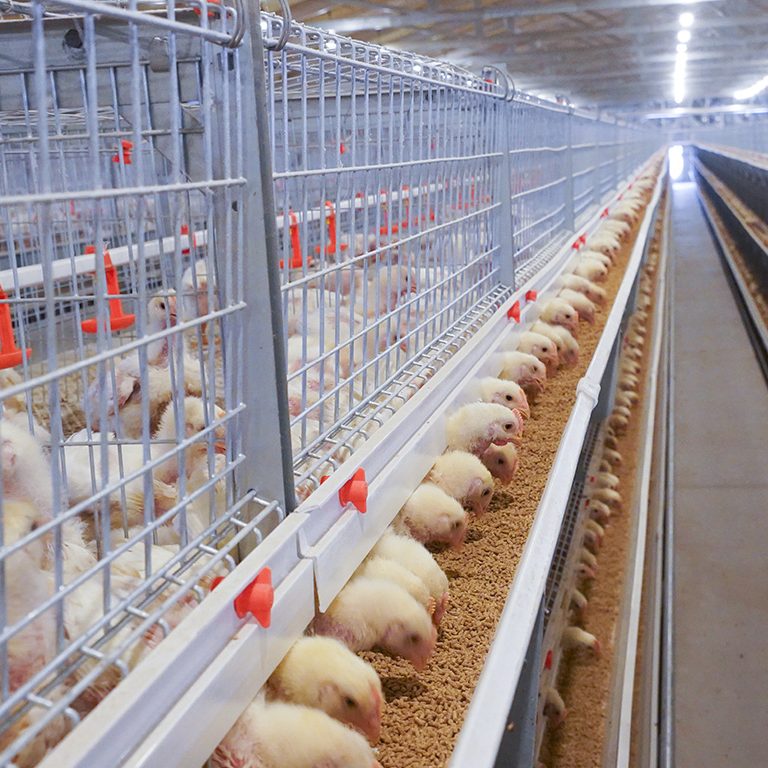
The house structure decides stocking density, egg damage, foot health and how much labour the flock needs. We lay out cage banks for commercial layer and broiler houses, and slatted floor systems for breeders, sheep and pigs where birds or animals run on the floor.
Cage & Rearing Systems
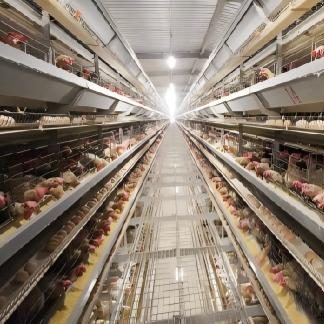
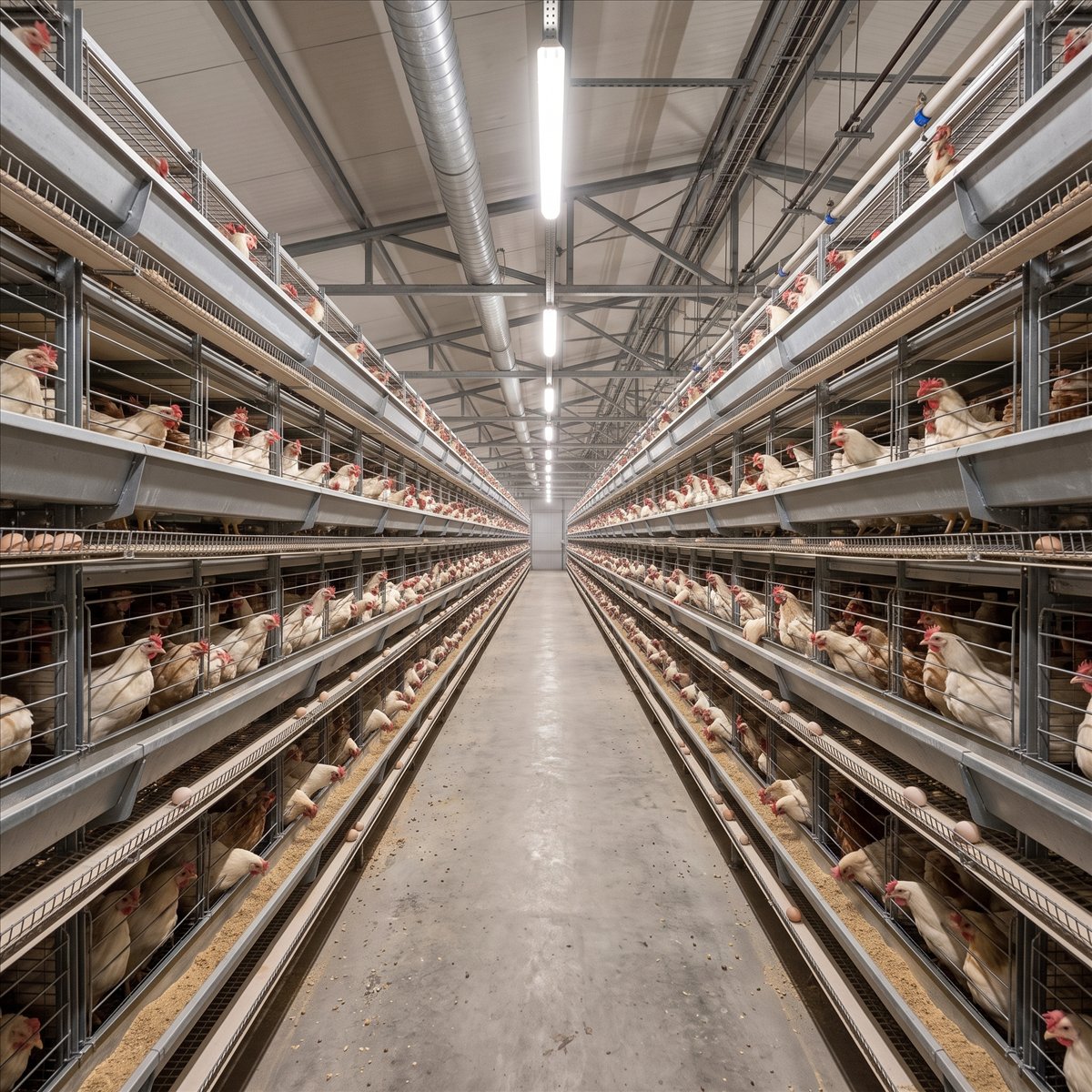
Tiered banks for layers, broilers and brooding, with feeding troughs and egg collection built in


Floor Rearing, Slats & Feed Lines
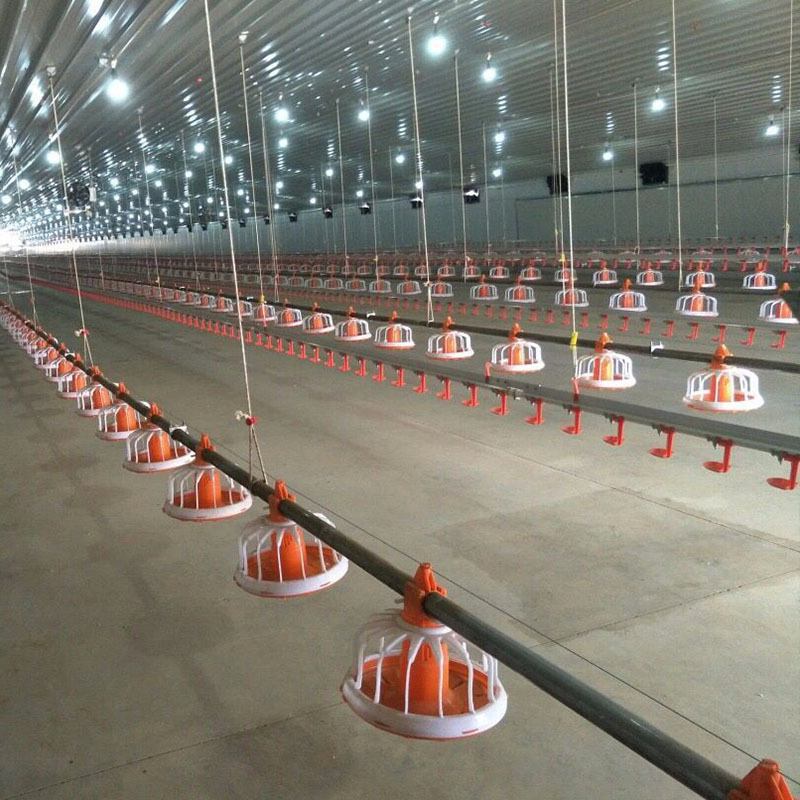
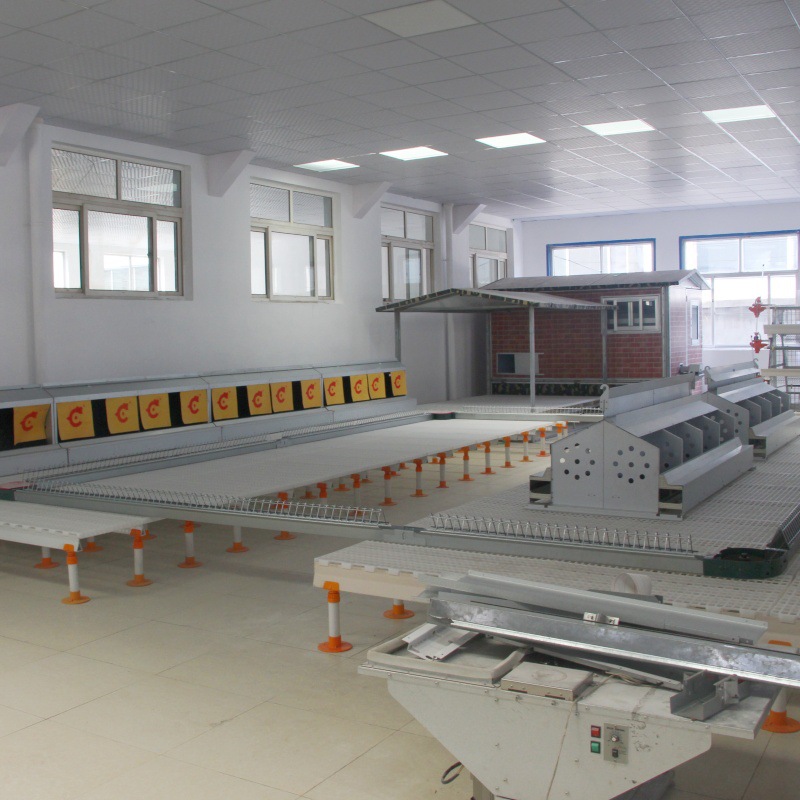
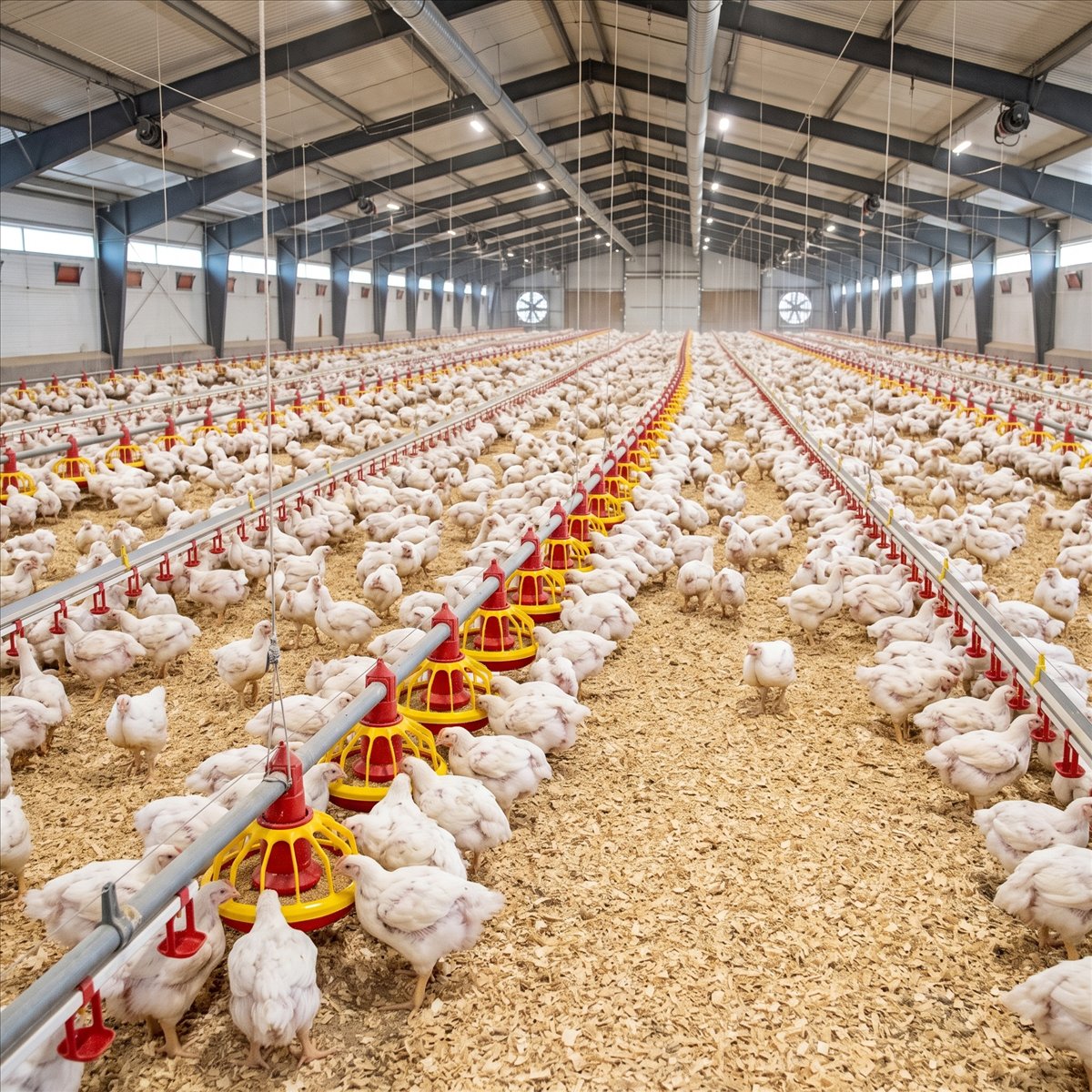
Slatted floors and support frames plus the two floor feeding systems


Feed & Water Lines
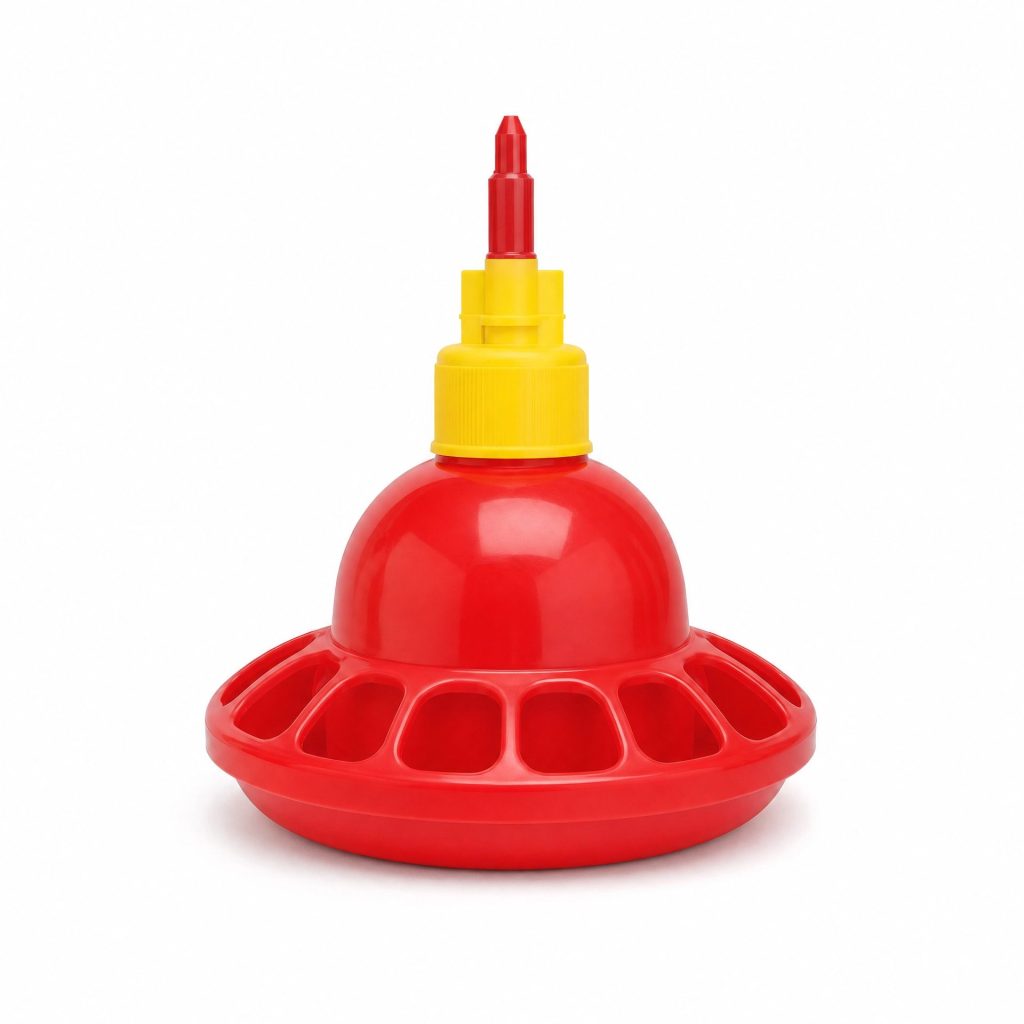
Feed and water are 70% of the cost of growing a bird, and both are lost quietly: a trough set too high wastes feed on the litter, a nipple set wrong wets the manure and starts coccidiosis. We supply the storage, the distribution and every drinker style a house needs.
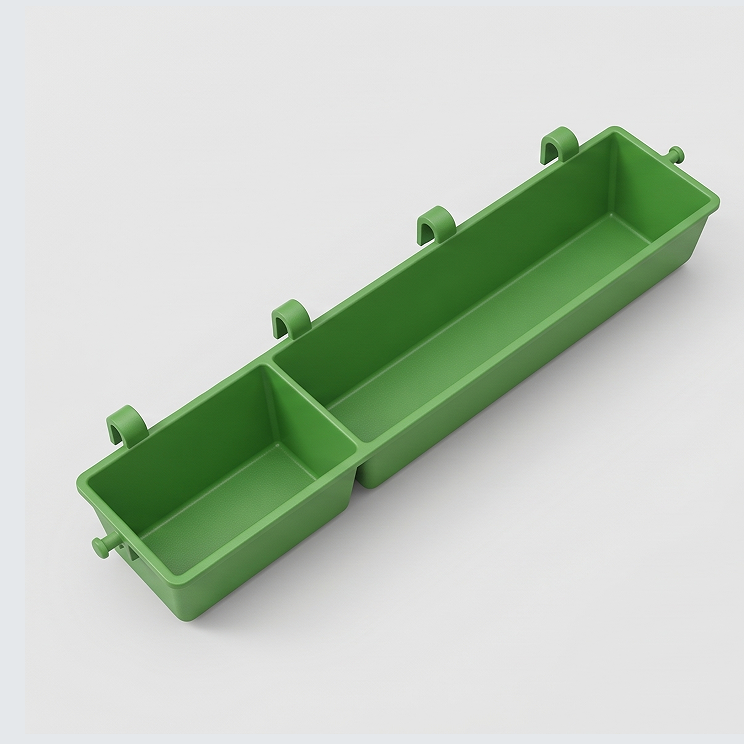
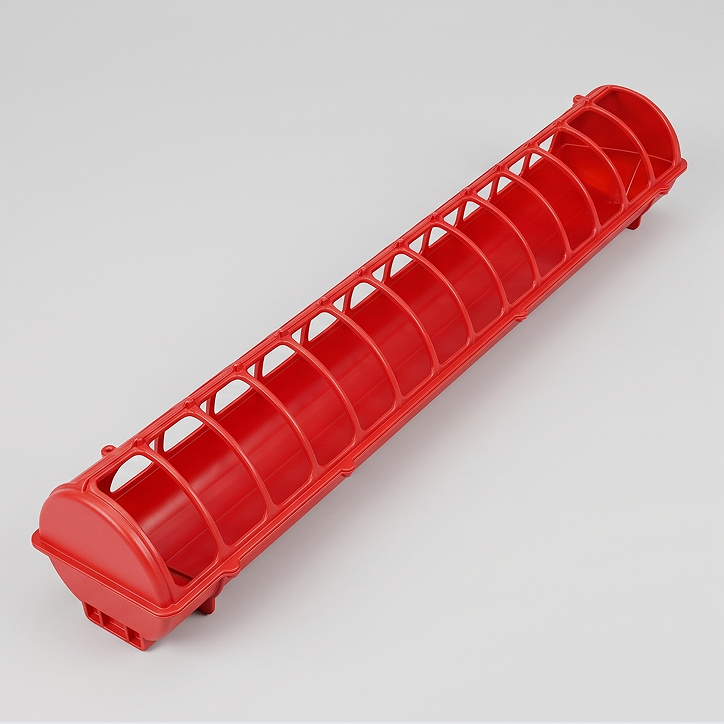
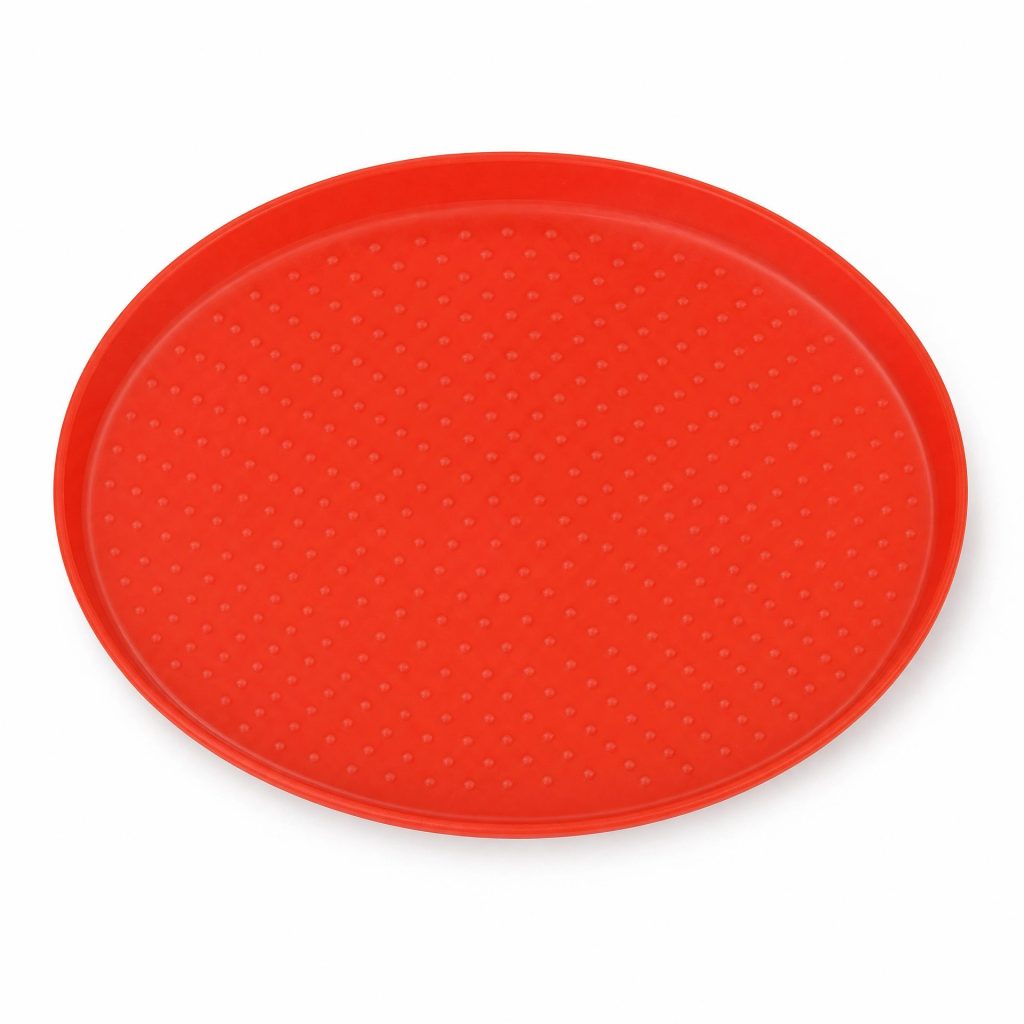
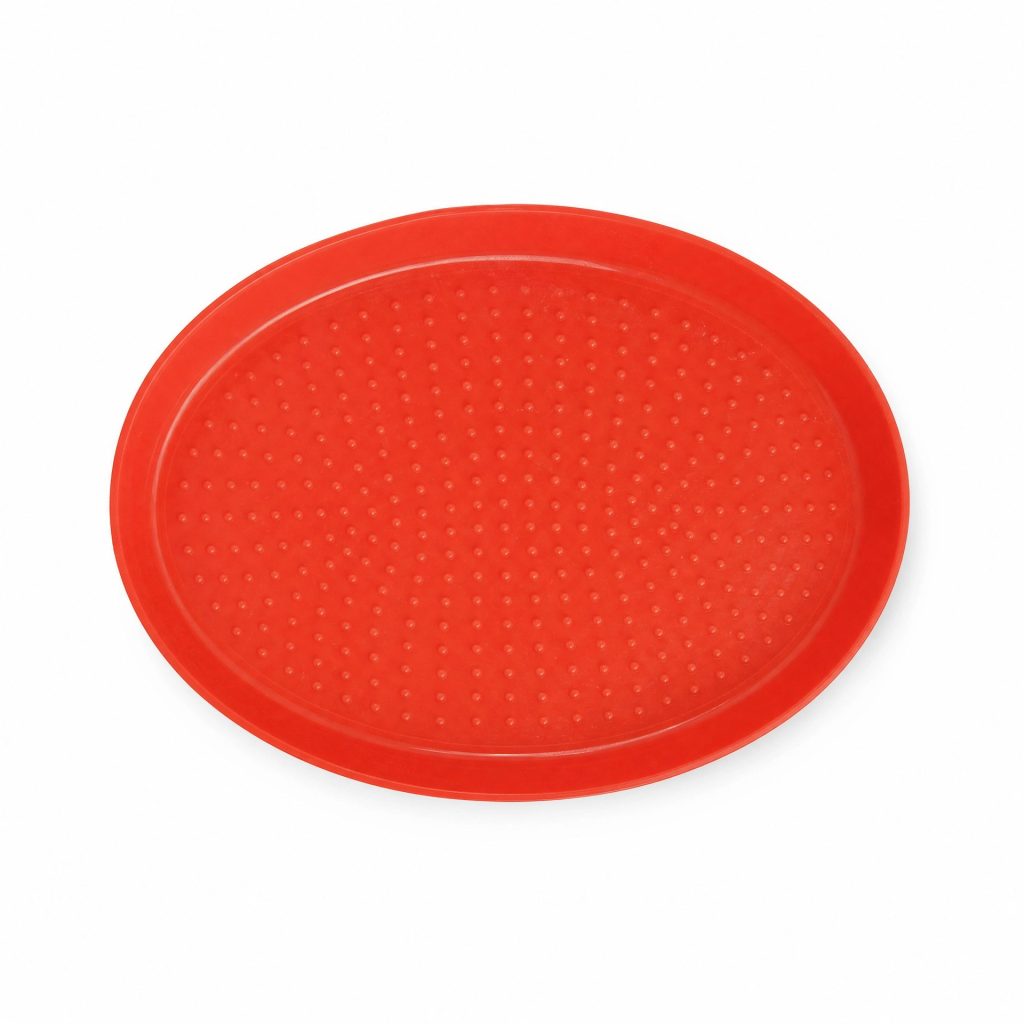
Feed Storage & Feeding
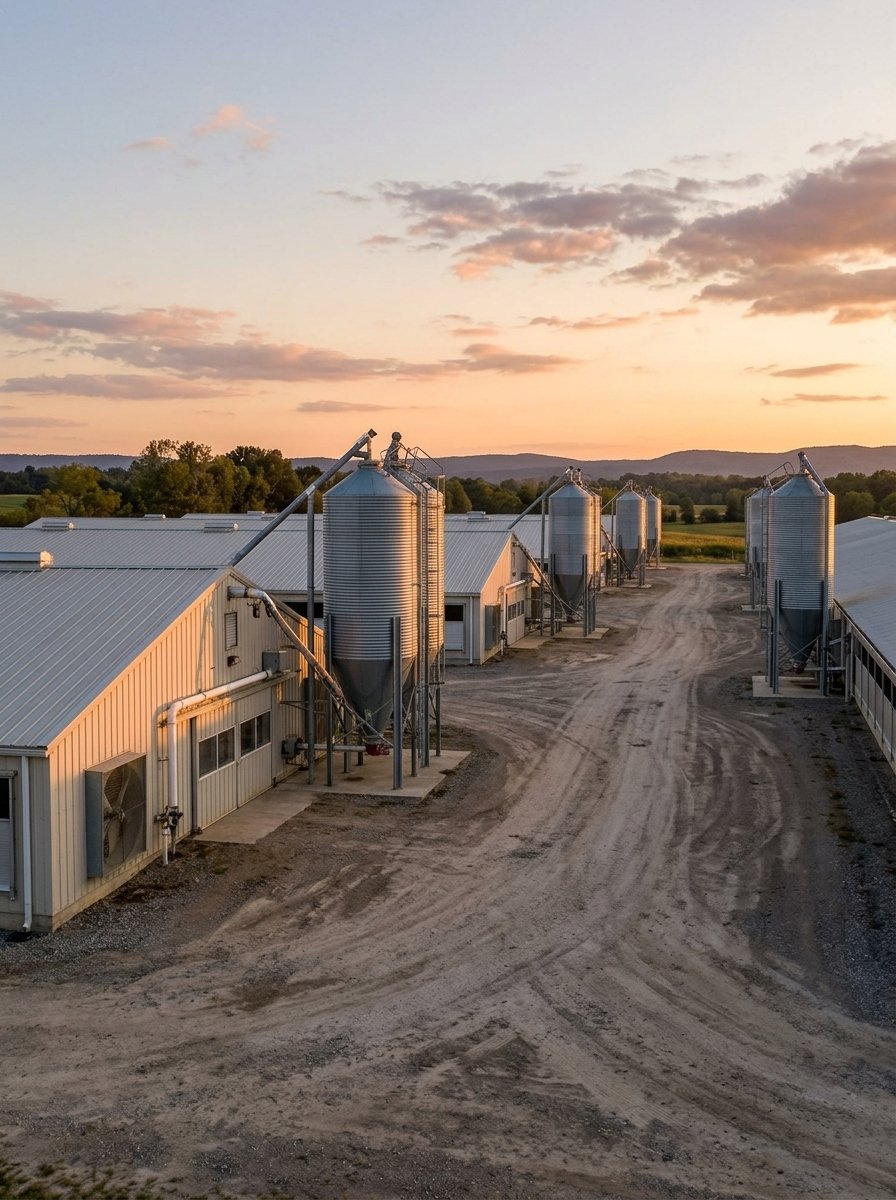
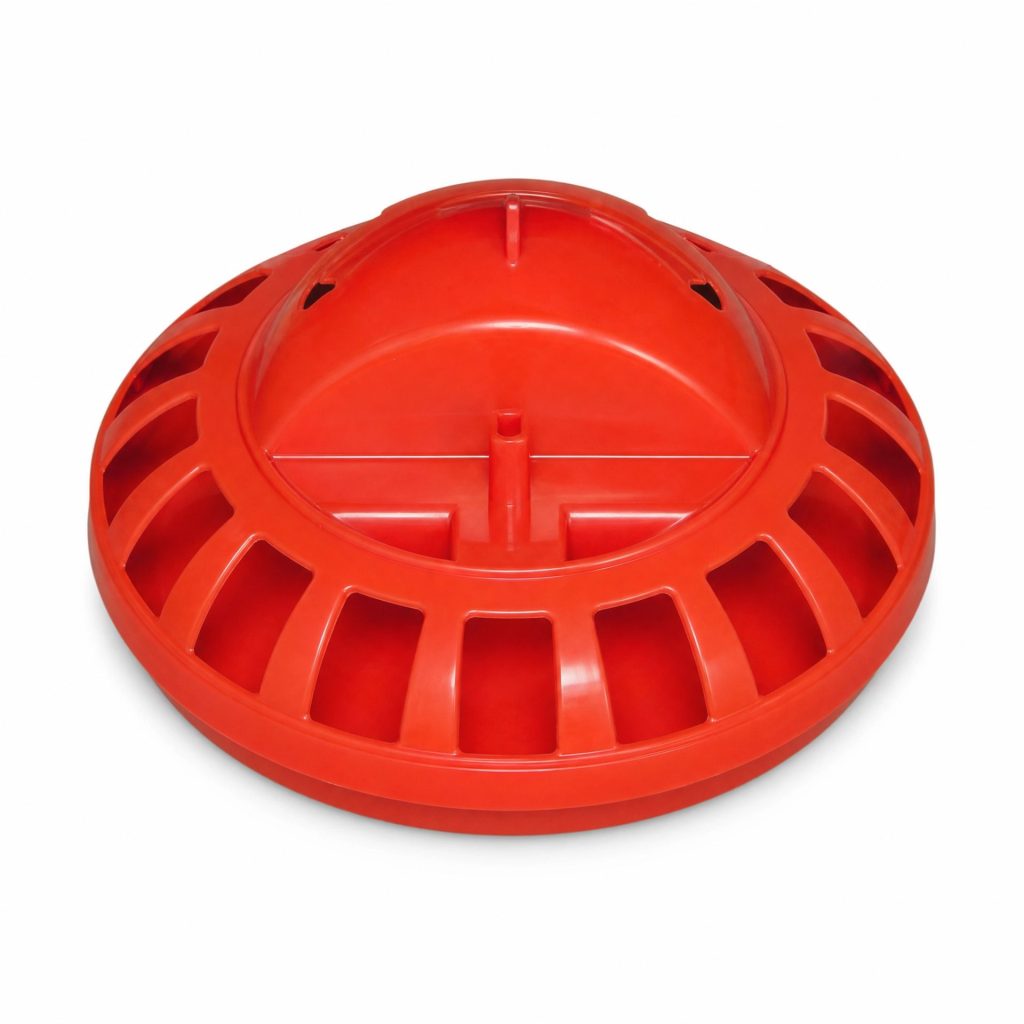
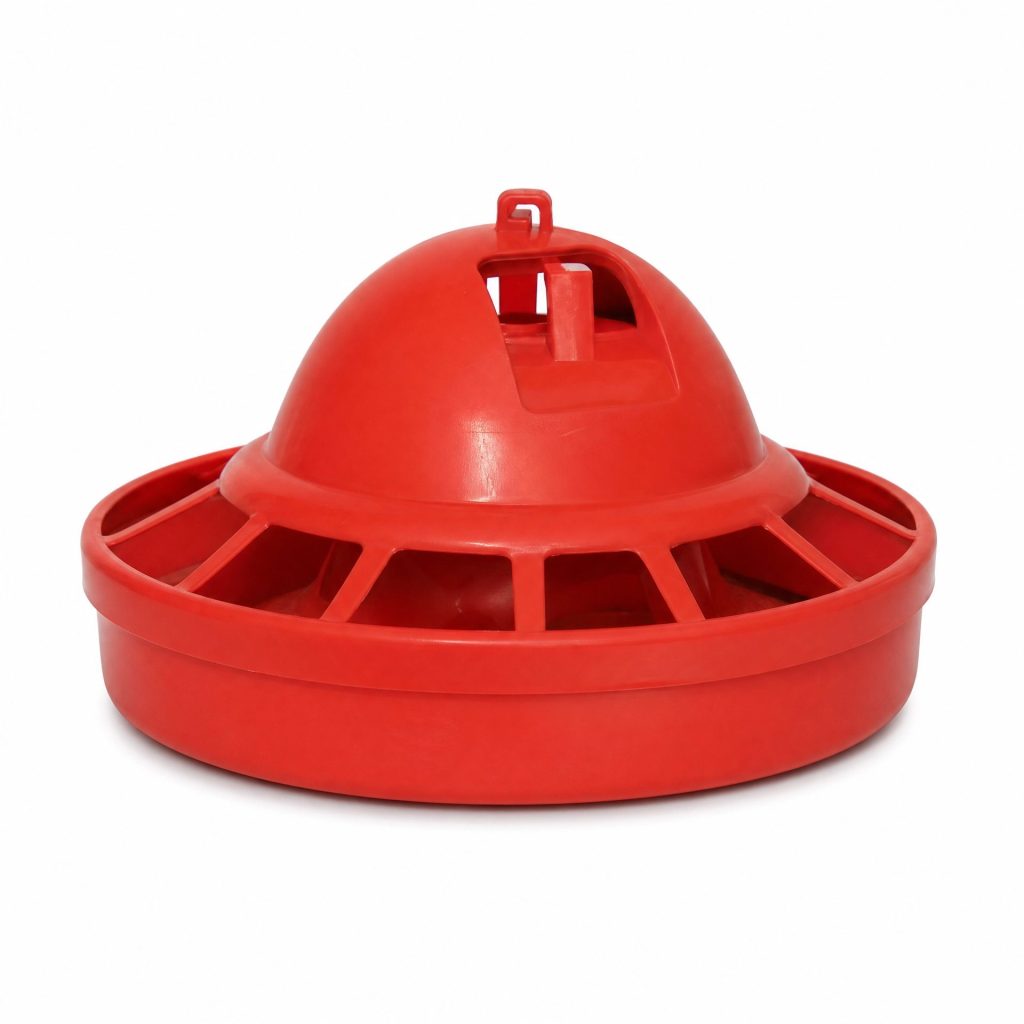
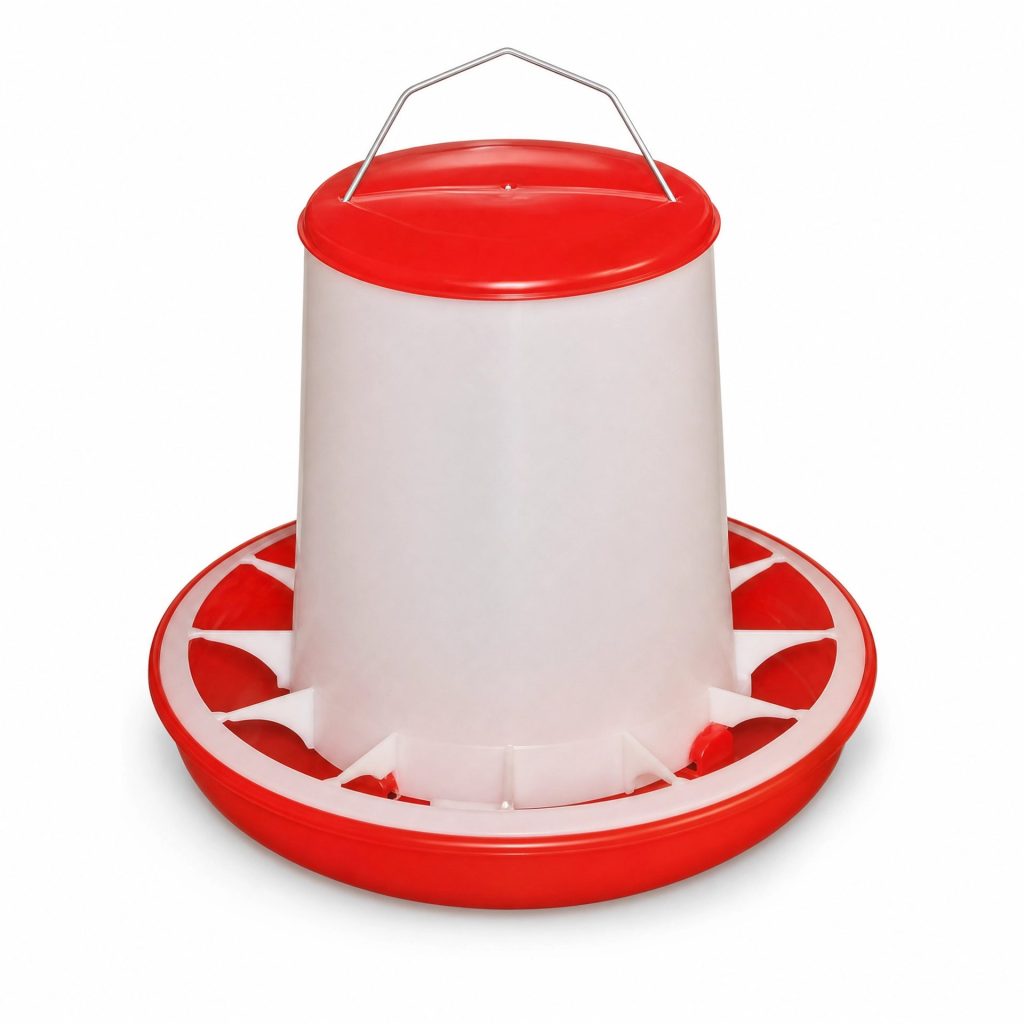
Silos, troughs and open dishes sized to house length and flock size


Drinking Systems
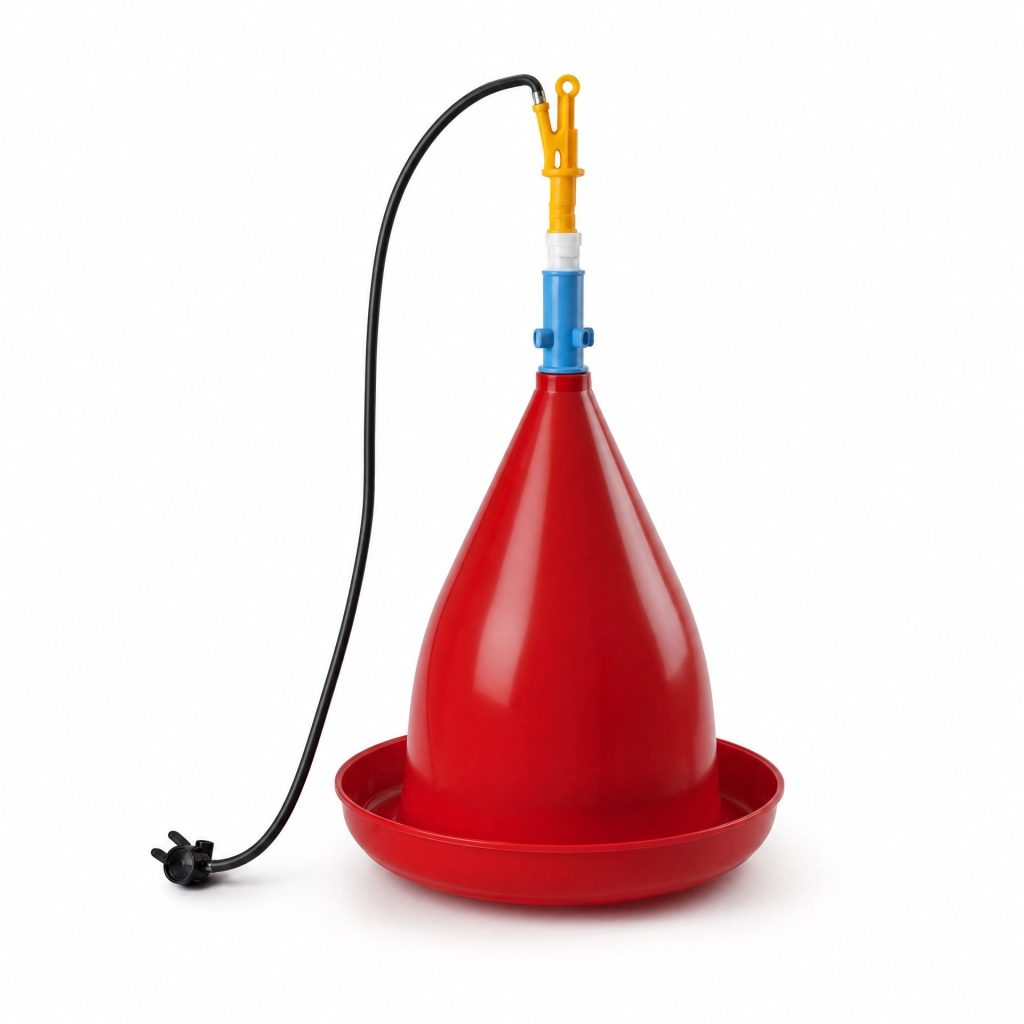
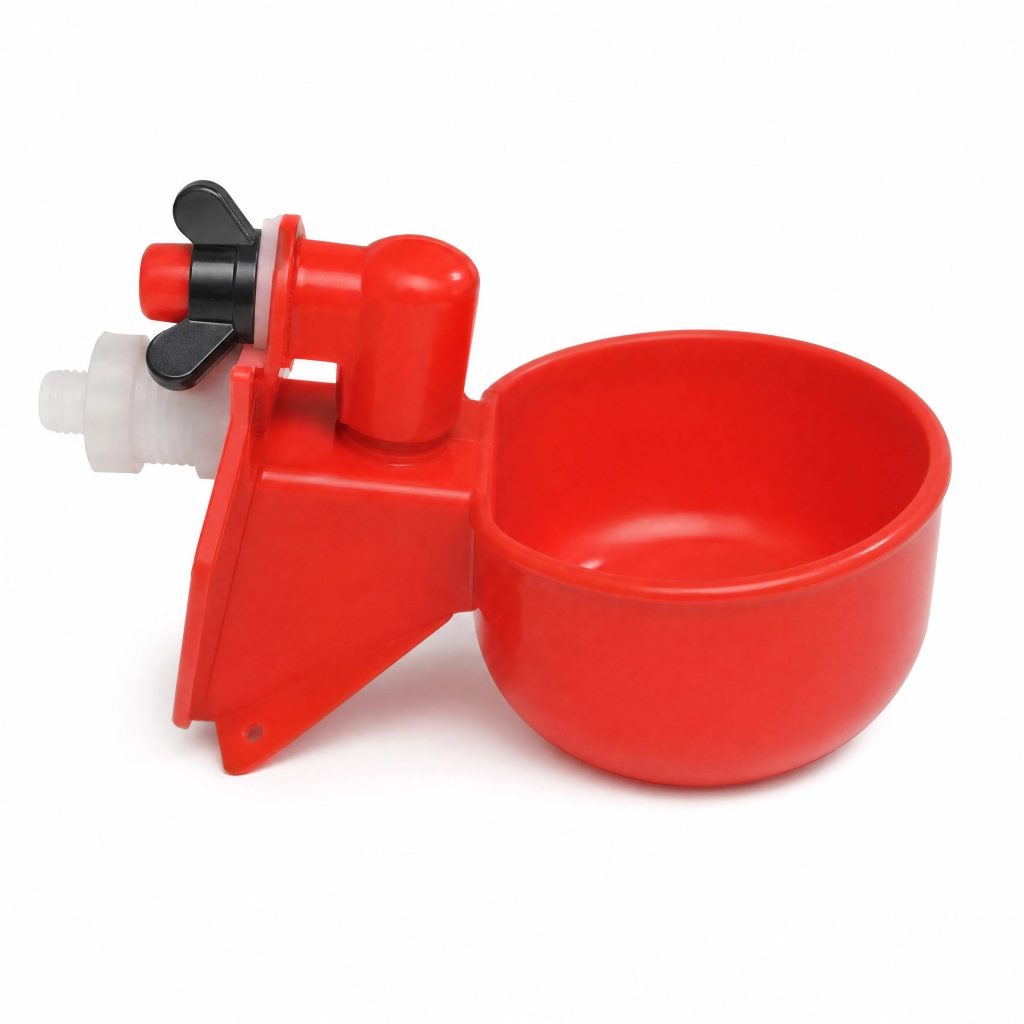
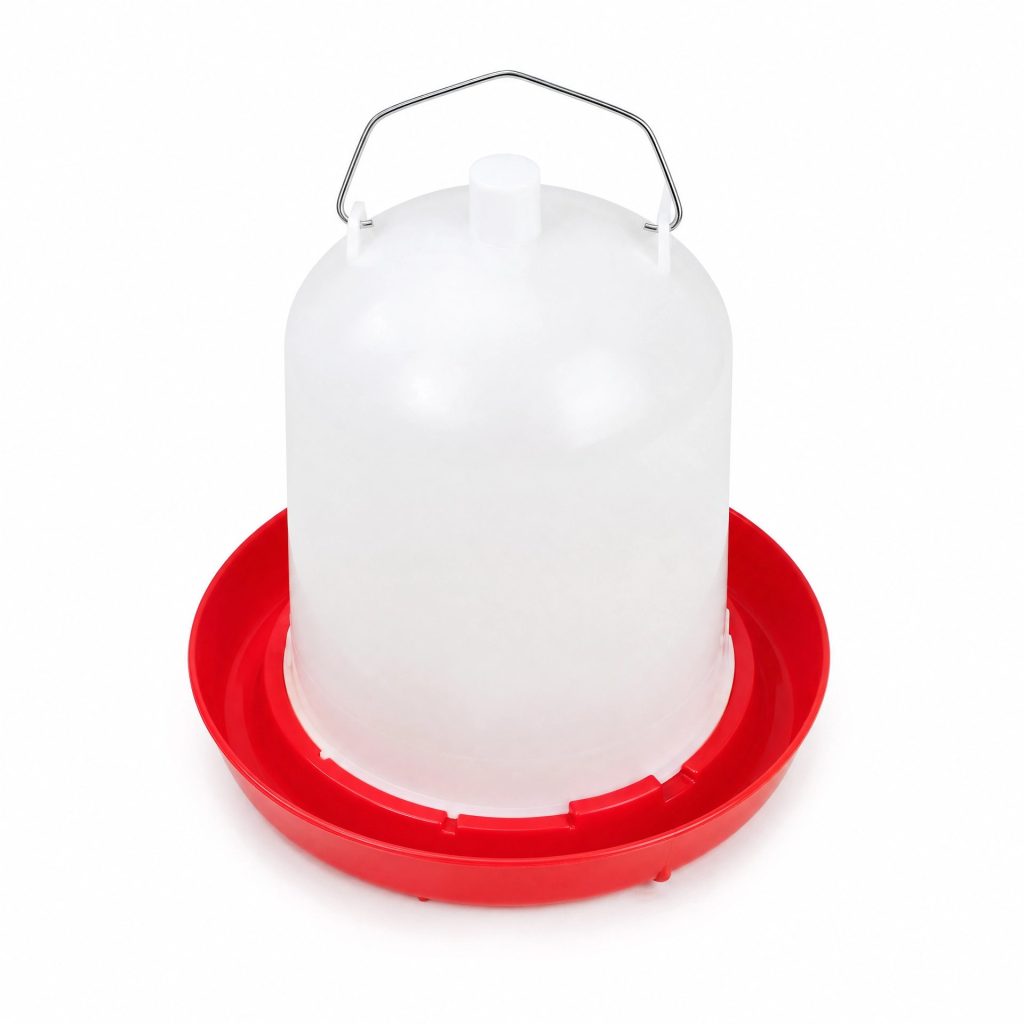
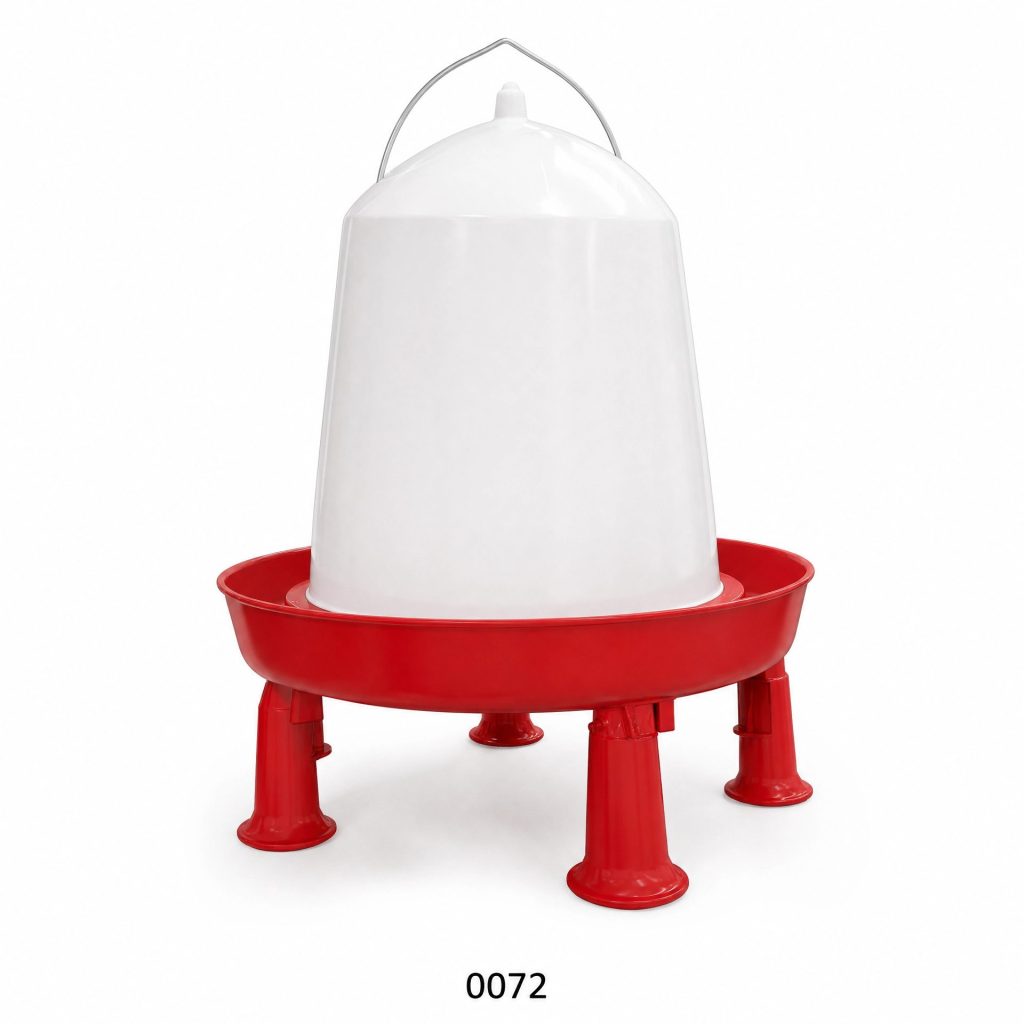
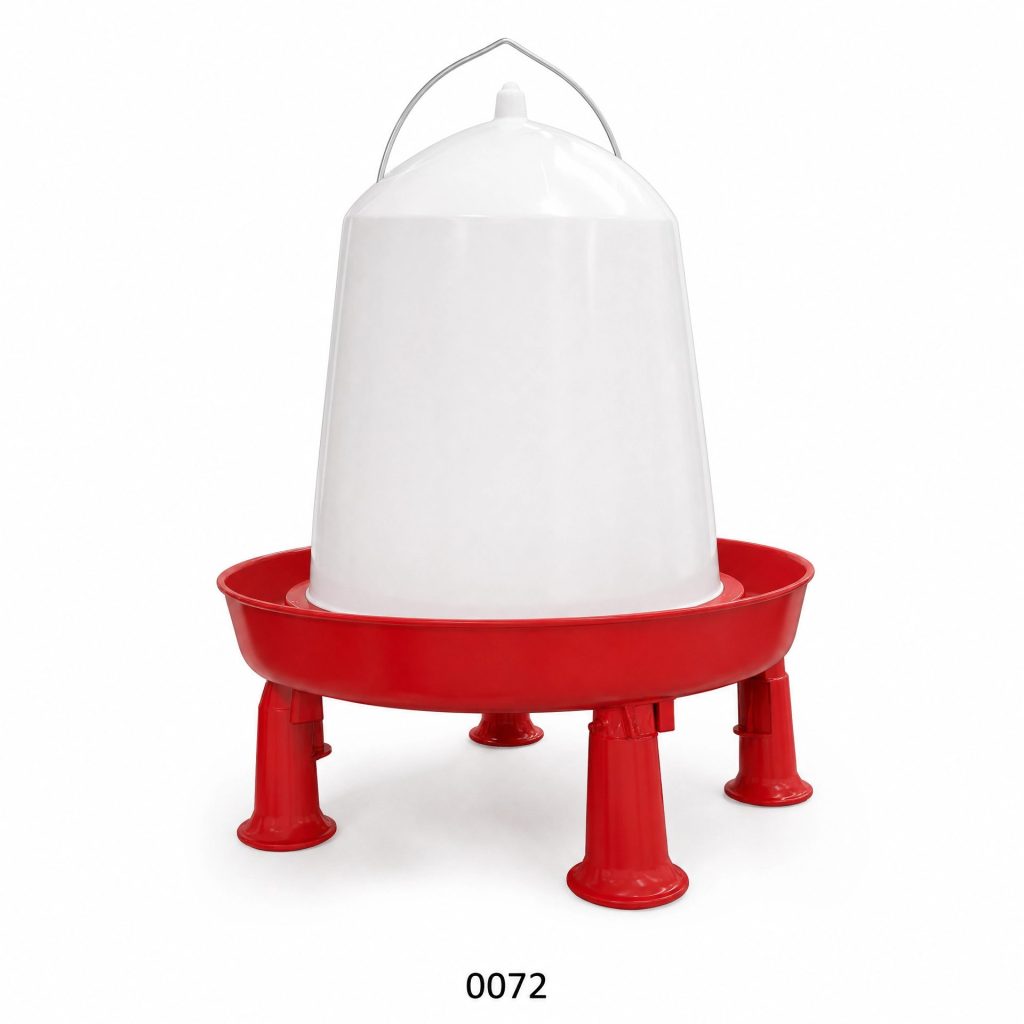
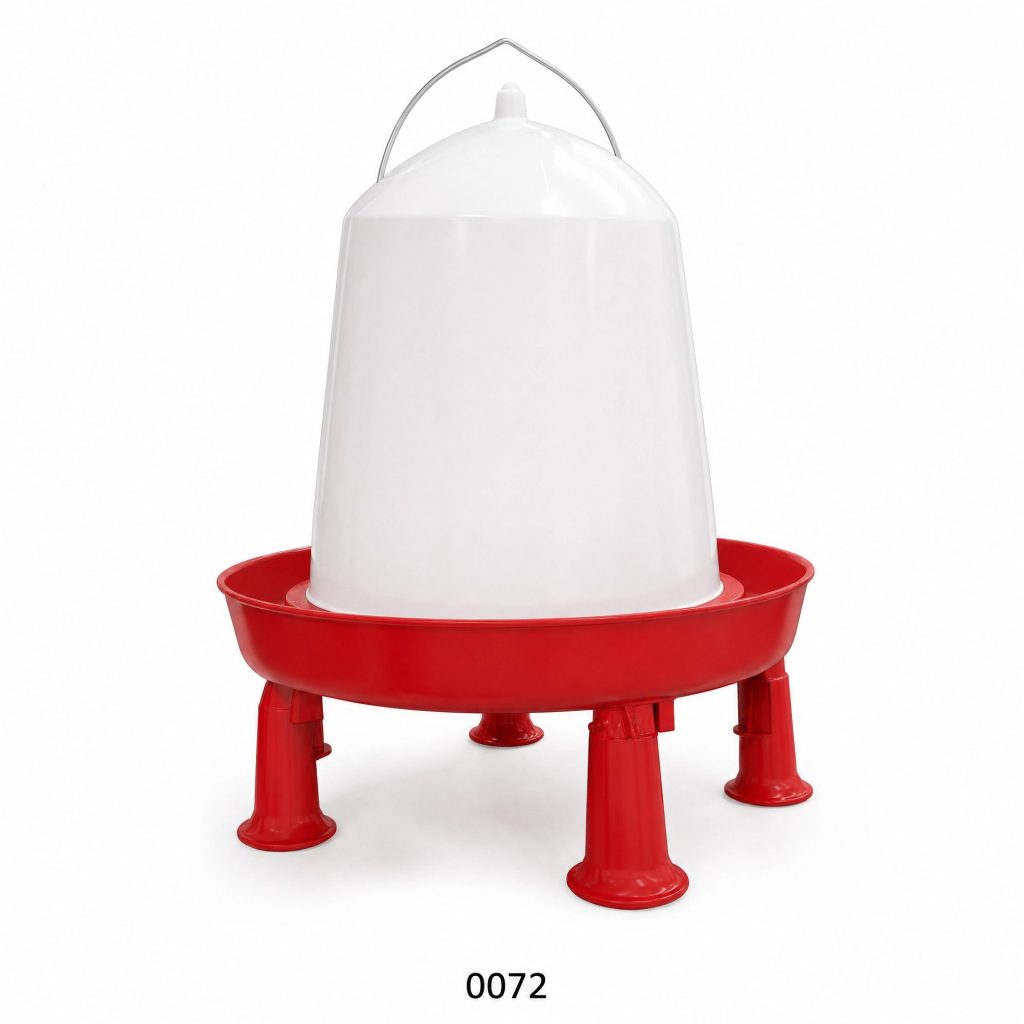
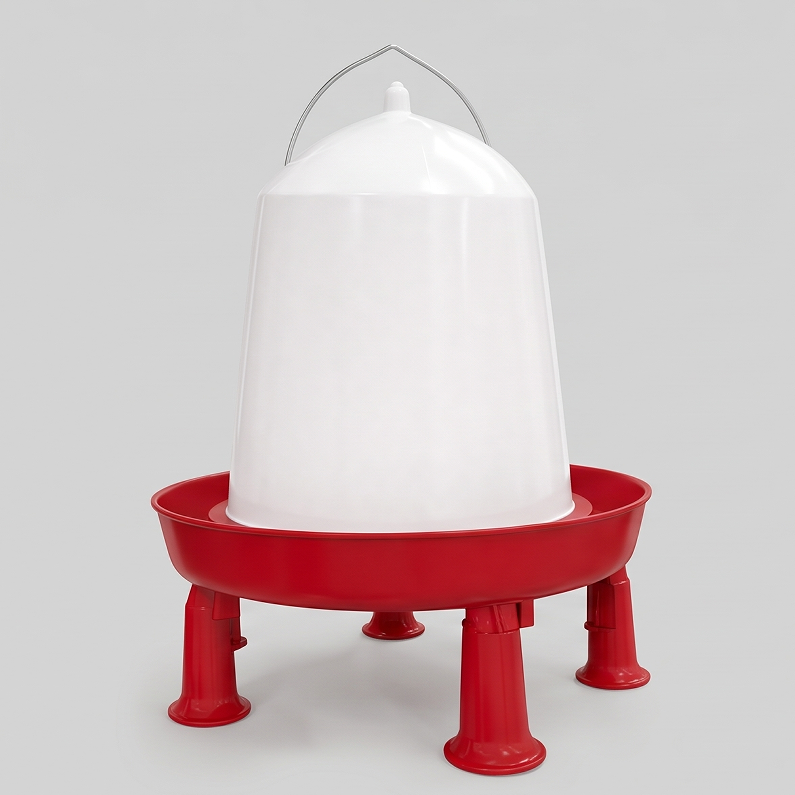
Nipples, bowls, cups and bell drinkers — the whole drinker family for poultry and waterfowl


Ventilation, Cooling & Climate
Temperature and air quality decide mortality more than any other single variable in a closed house. Fans, windows and spray cooling are sized to house volume, stocking and the local summer design condition.
Ventilation & Climate Control
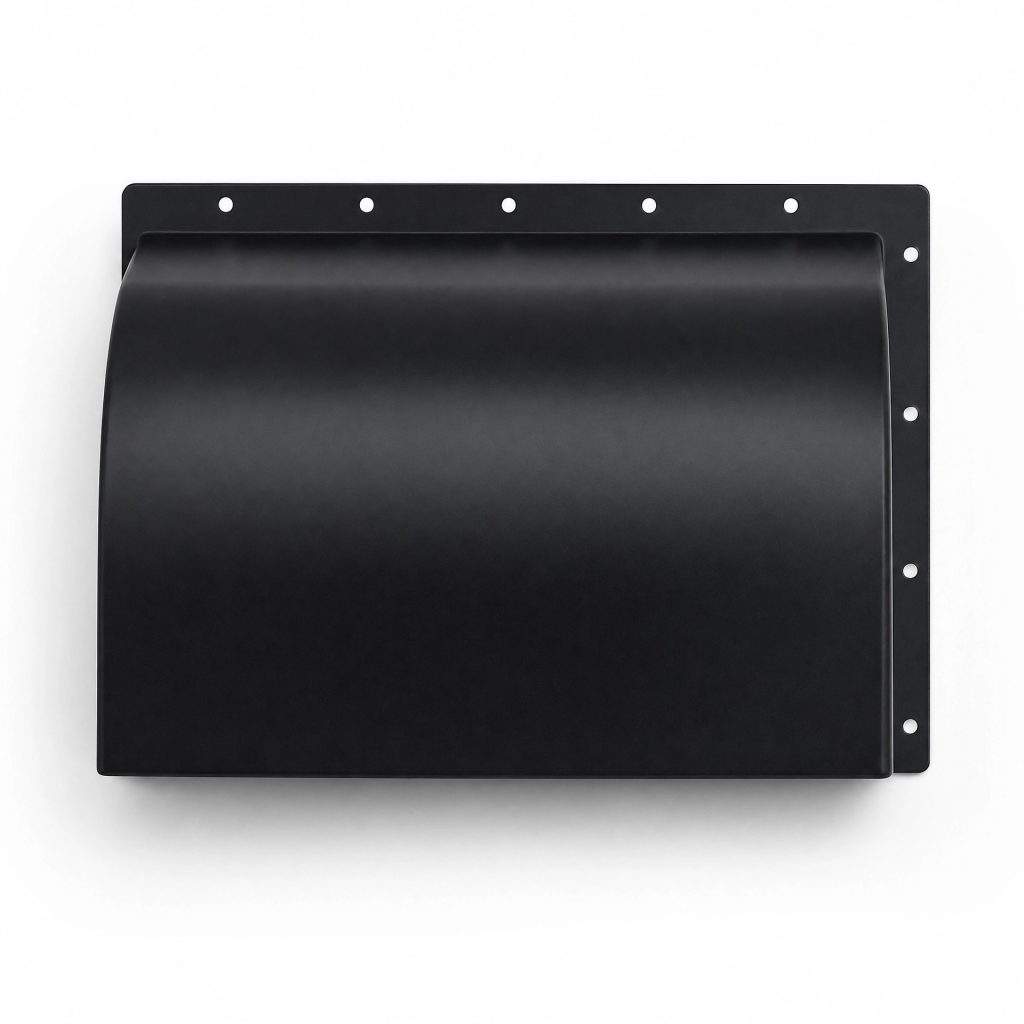
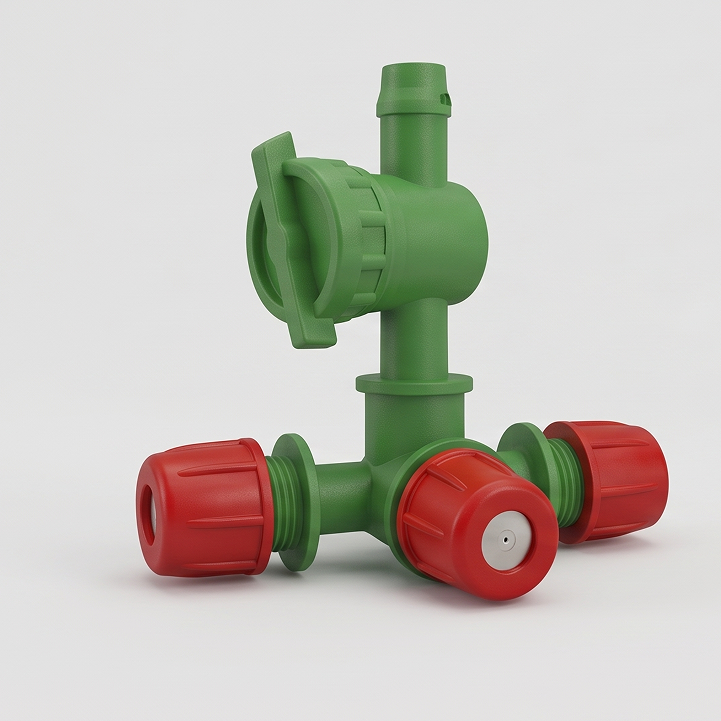
Extract systems, axial fans, integrated windows and evaporative spray cooling


Egg Handling & Farm Consumables
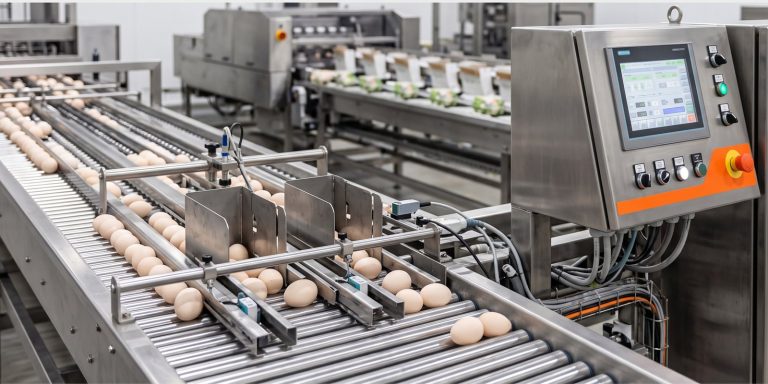
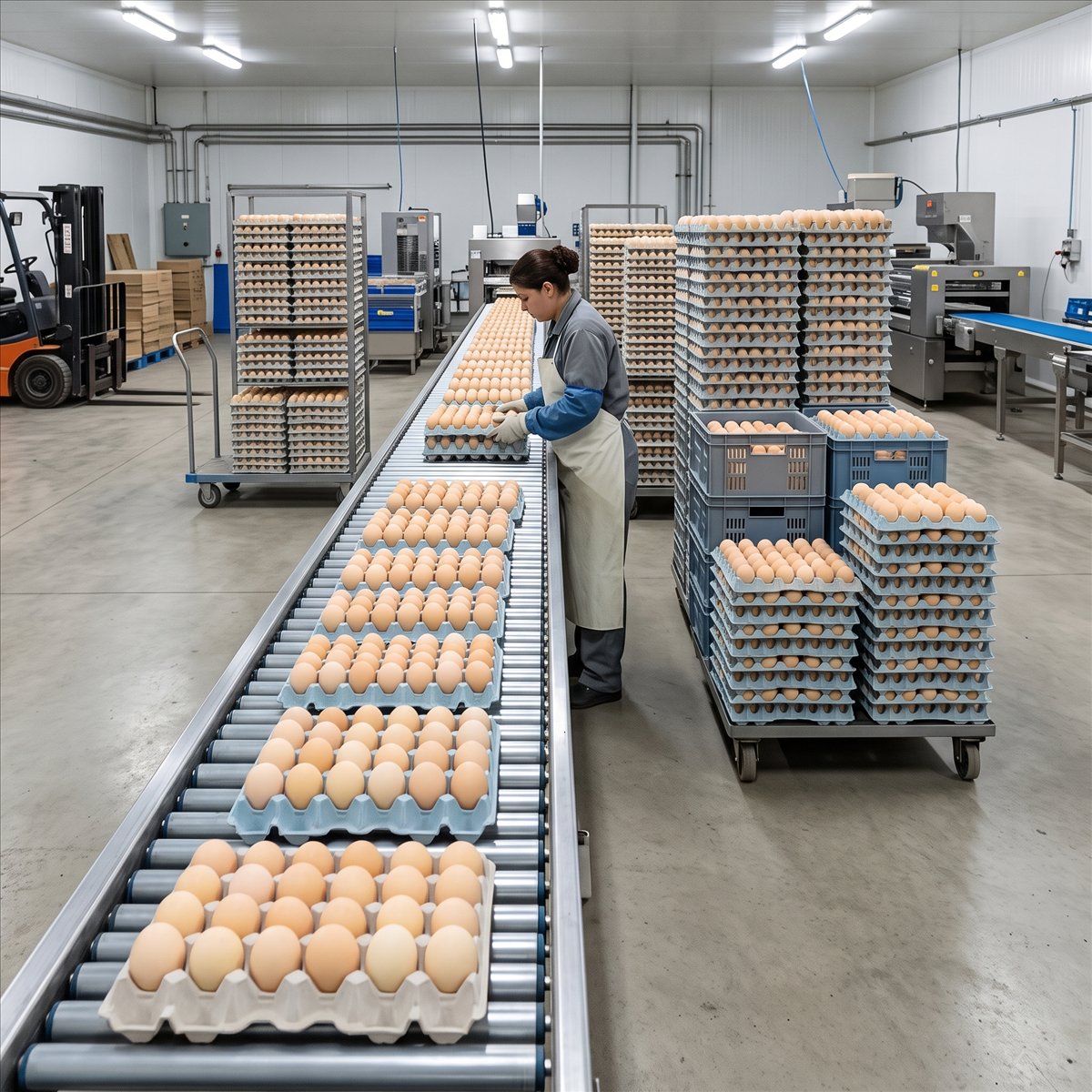
From nest to hatchery the breeding egg is the product: trays, crates and turnover boxes are what keep breakage and contamination down between houses. Consumables — drums, buckets and the small fittings — are the part buyers most often forget to order.
Breeding Egg Trays & Crates
Cell counts and materials for collection, transport and hatching


Farm Consumables & Spares
Drums, buckets and daily-handling items shipped with the house equipment
What NPW Delivers For A New Or Rebuilt Farm
Steel structure or existing building, we lay out the houses around the birds you keep and the feed you buy — then ship the equipment, the spares and the drawings together.
House layout & stocking plan
House count, orientation, aisle widths, cage or floor layout, and the bird flow between stages — drawn before equipment is quoted.
Feed & water line engineering
Silo capacity, line length, drive positions, nipple count and pressure settings sized to your flock and water quality.
Climate design
Fan count and placement, minimum and tunnel ventilation, spray cooling and the control strategy for your summer condition.
Installation & commissioning
Our engineers on site with local labour, plus training on line tension, drinker height, vaccination handling and daily checks.
Spares & consumables
Drinkers, feed pans, slat panels, trough sections and fasteners shipped with the order so the farm never waits on a small part.
Biosecurity & washdown
Drainable floors, wash-down points and the cleaning routine built into the layout instead of bolted on later.
Farms We Have Built Out
Three frames from delivered farms — the layer house, the floor feeding line and the egg room, where the daily labour and the losses actually sit.
Four Farm Types We Equip Most Often
Caged or free-range houses from a few thousand to several hundred thousand birds, with egg handling and manure removal.
Tunnel-ventilated broiler houses plus breeder houses with nests, trays and hatchery logistics.
Slatted housing, feed bunks and water lines for indoor or semi-indoor small-ruminant units.
Cluster farms, donor or government projects and contract-growing schemes built to one standard.
Paperwork That Survives The Inspection
What We Need To Lay Out Your Farm
Send these and a named NPW engineer returns a house layout, equipment list, utility schedule and factory-direct quotation within 24 business hours.
- Species & stage: broiler, layer, breeder, pullet, sheep or goat — and the bird weight range
- Flock size: birds per house and number of houses, or total herd size
- Housing choice: caged or floor rearing, open or closed house, local climate
- Land & building: plot size, house dimensions, ceiling or eaves height, floor type
- Utilities: power supply, water source and quality, and whether a biogas or WWTP exists
- Egg or carcass plan: hatching eggs, table eggs, live birds or on-site slaughter
FAQ
Cages give you higher stocking per square metre, cleaner eggs and far less contact with manure, which is why most commercial layer houses use them. Floor rearing suits breeders, broilers on welfare or free-range contracts, and sheep or goats, where the animals need to move and lie down. The real decision is what your market pays for: table eggs at lowest cost per bird favour cages; hatching eggs, welfare schemes and organic contracts often require the floor.
It depends on house size, ventilation type and species. As a working rule a tunnel-ventilated broiler house carries roughly 10–12 birds per square metre, a layer house in H-frame cages is planned by bird count rather than floor area, and sheep need slatted area sized to ewe and lamb weight. We size the house around the flock you intend, not the other way round.
We supply the equipment package: cages or slatted flooring, feed silos and lines, drinking lines, ventilation and cooling, egg handling and consumables. Long structural steel, houses and civil works are usually cheaper sourced locally — we issue the foundation drawings, anchor positions, load data and interface dimensions so your contractor builds to our equipment, not to a guess.
A closed house with high stocking loses birds in hours, not days, so we specify backup power, minimum ventilation openings, alarm sensors and a written emergency routine as part of the design. In hot climates we also size spray cooling and night-run storage so the house can hold temperature until power returns.
Check three things in order: drinkers (nipple type, pressure, drip cups, height and angle), ventilation minimum rate, and slat or cage slope. Wet manure is nearly always a drinking-line or ventilation setting problem before it is a plumbing problem, and it is fixed with setup, not extra equipment.
Yes — retrofits are common. We survey the building, keep what still works and replace the cage banks, feeding or drinking lines, fans and controls that are costing you feed and mortality. A retrofit is usually quoted as a phased plan so the farm keeps producing during the changeover.
Yes. Our engineers commission on site with your local labour, and training covers line tension and height, drinker setup, ventilation mode switching, daily inspection rounds, vaccination handling and the cleaning routine. Where travel is difficult we run commissioning on live video.
Equipment normally leaves the works 30–45 days after the deposit and confirmed layout; a multi-house project runs longer and ships in phases so the first houses start early. Everything is loaded, photographed and sealed by container, with consumables and spare drinkers in the same shipment.
Get Your Farm Equipment Package
Tell us the species, flock size and housing type — an NPW engineer returns the layout, equipment list and quotation within 24 hours.
Tell Us About Your Farm
- Species & stage: broiler, layer, breeder, pullet, sheep or goat
- Flock size: birds per house, number of houses
- Housing: caged or floor rearing, open or closed house
- Building: house size, eaves height, floor type, country
- Utilities: power supply, water source and quality
- Output: table eggs, hatching eggs, live birds or on-site processing
- Timeline: target stocking date and budget range
Talk To Your Engineer
Every NPW solution is handled end to end by one named engineer — capacity sizing, layout drawings, configuration lists and shipping schedules. Reach out directly and you will speak to the person responsible for your line, not a call centre.