Introduction
Proper ventilation is the cornerstone of a successful poultry operation. It directly impacts bird health, growth rates, feed conversion, and overall flock uniformity. In this article, we delve into the critical aspects of modern poultry house ventilation systems, drawing insights from a live demonstration of an advanced ventilation setup. We’ll explore how these systems contribute to optimal environmental control, energy efficiency, and ultimately, higher profitability for farmers.
The Role of Ventilation in Poultry Health
Birds are highly sensitive to their environment. Inadequate ventilation can lead to a buildup of harmful gases like ammonia, excess humidity, and heat stress, all of which compromise the immune system and increase susceptibility to disease. Conversely, a well-designed ventilation system ensures a constant supply of fresh air, removes excess moisture and noxious gases, and helps regulate temperature. This creates a stable, comfortable microclimate that promotes healthy growth and reduces mortality rates.
Key Components of a Modern Ventilation System
As demonstrated in the video, a modern poultry house ventilation system comprises several integrated components working in harmony:
- Exhaust Fans: High-efficiency fans strategically placed to create negative pressure, pulling fresh air into the house through inlets.
- Air Inlets: Adjustable inlets that direct incoming air across the ceiling, allowing it to mix with warm air before descending to bird level, preventing cold drafts.
- Control Systems: Sophisticated environmental controllers that monitor temperature, humidity, and static pressure, automatically adjusting fan speed and inlet openings to maintain optimal conditions.
- Cooling Systems (Pad & Fan): In hot climates, evaporative cooling pads are used in conjunction with fans to lower incoming air temperature, crucial for preventing heat stress.
Benefits of an Integrated Ventilation Strategy
An effectively managed ventilation system offers numerous advantages:
- Improved Air Quality: Removes dust, ammonia, and carbon dioxide, creating a healthier environment for both birds and workers.
- Temperature Uniformity: Even air distribution minimizes hot and cold spots, ensuring consistent bird comfort across the entire house.
- Reduced Energy Costs: Modern fans and controllers are designed for energy efficiency, lowering operational expenses.
- Enhanced Bird Performance: With optimal conditions, birds exhibit better feed intake, weight gain, and feed conversion ratios, directly boosting profitability.
Best Practices for Ventilation Management
To maximize the benefits of your ventilation system, consider the following best practices:
- Regularly inspect and clean fans, belts, and shutters to ensure peak performance.
- Calibrate sensors and controllers periodically to maintain accurate readings.
- Adjust ventilation rates based on bird age, weight, and external weather conditions.
- Develop a comprehensive maintenance schedule to prevent unexpected breakdowns.
Investing in a high-quality ventilation system is not an expense; it’s a strategic investment in the health and productivity of your flock.
Conclusion
As demonstrated in the video, modern poultry house ventilation systems are sophisticated tools that significantly impact farm productivity. By understanding the key components and adopting best practices, farmers can create an optimal environment that maximizes bird welfare and operational efficiency. At NPW, we are committed to providing cutting-edge solutions and expertise to help you achieve these goals.
Solutions related to this article
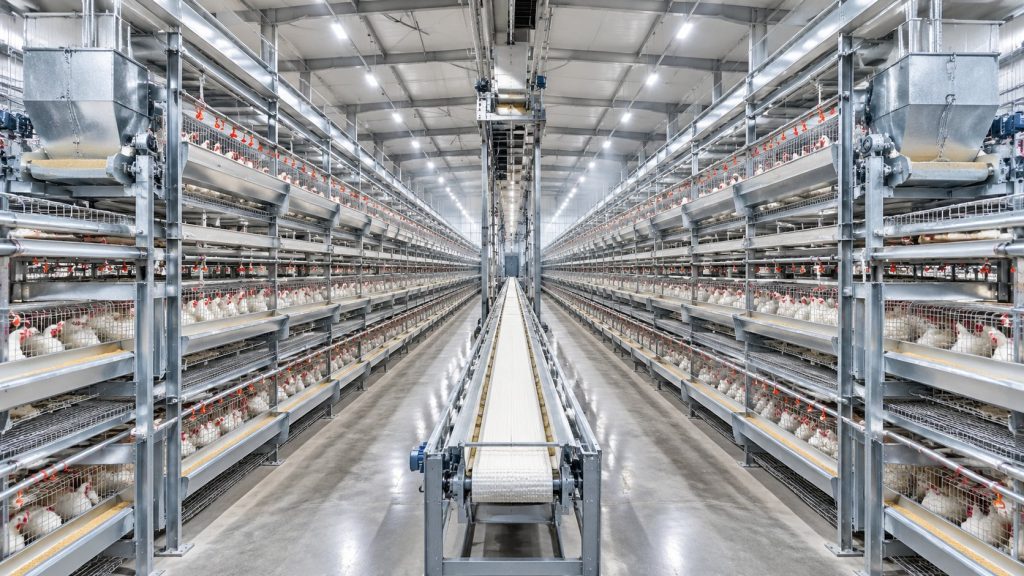 FarmingPoultry & Livestock Equipment SolutionBroiler and layer houses with feeding, drinking, climate and manure systems.View solution →
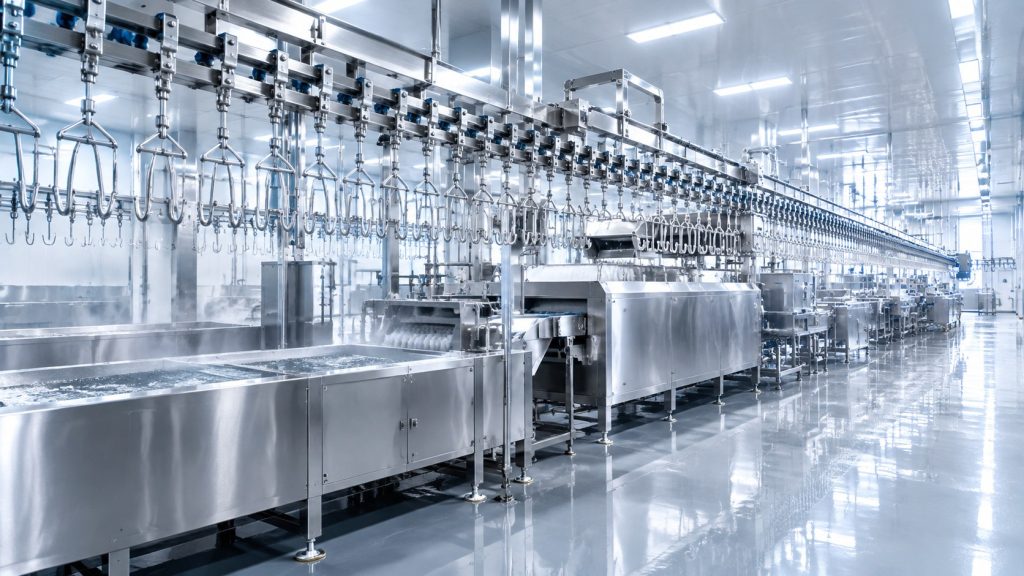 PoultryComplete Poultry Slaughter Line SolutionsHanging, scalding, plucking, evisceration and chilling on one continuous line.View solution →
 CleaningFood Industry Cleaning Equipment SolutionsFoam, CIP and washdown systems for food-contact surfaces and drains.View solution →