Automatic Inline Poultry Breast Opener
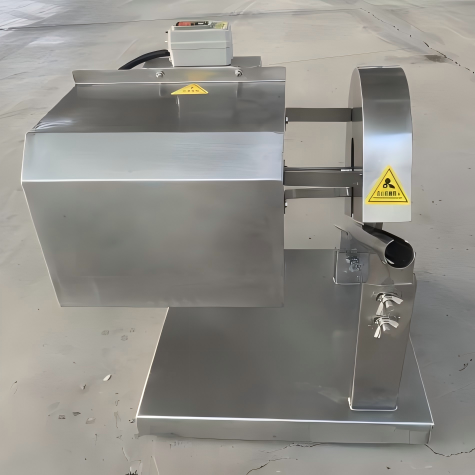
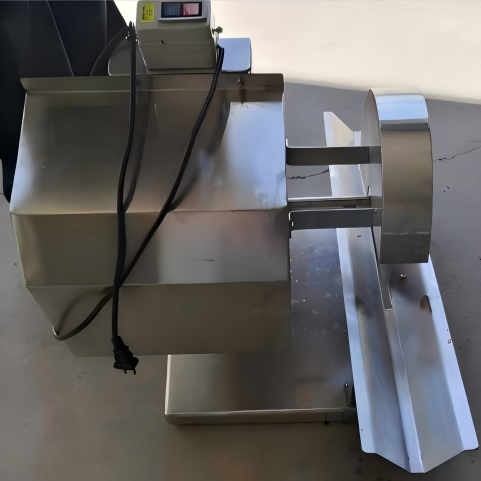
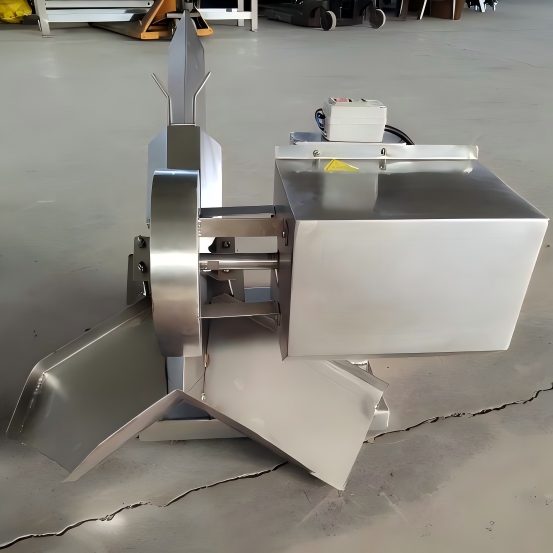
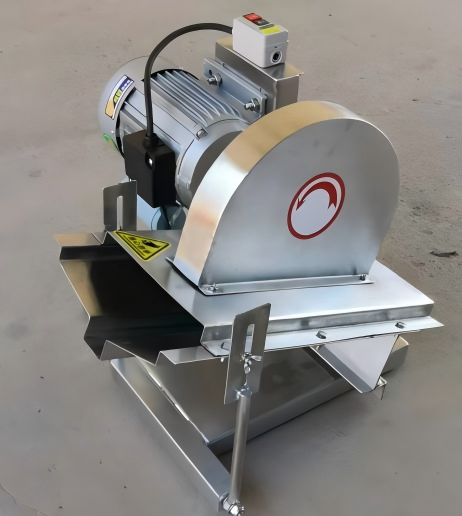
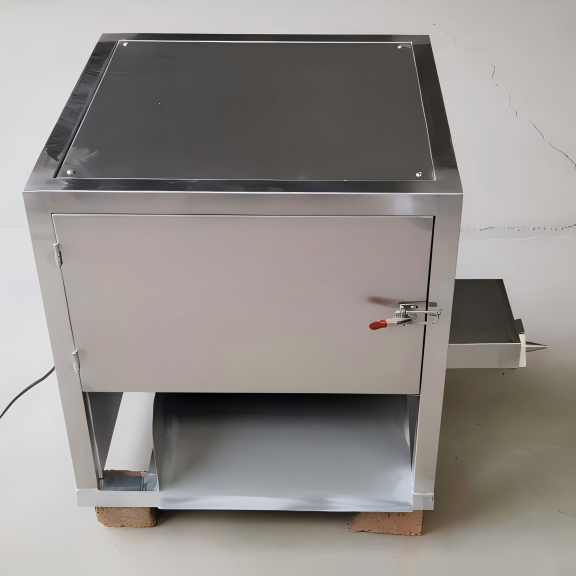
A heavy-duty, automatic inline poultry breast-opening machine designed for seamless integration into high-speed slaughtering conveyor lines. Engineered with premium SUS304 food-grade stainless steel and driven by a robust 1.1 kW motor, this 60kg unit allows for continuous, high-efficiency splitting of chickens and ducks. Its fully enclosed cutting compartment guarantees maximum operator safety with zero operational hazards.
Contact Us for Pricing
Interested in this product? Contact us now for detailed pricing and product information.
Product Details
I. Product Overview
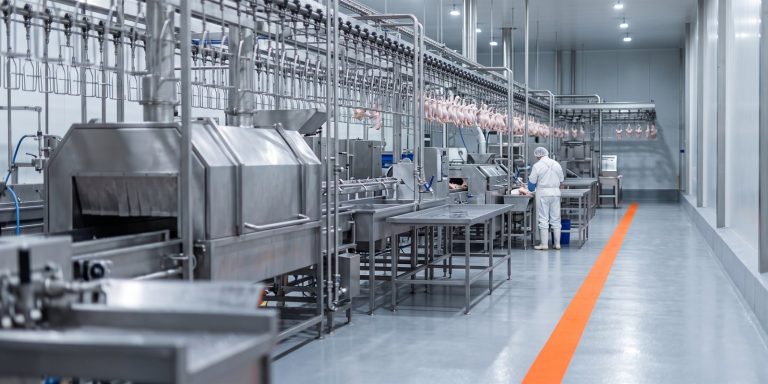
The Professional Automatic Inline Poultry Breast Opener & Splitter is a top-tier meat processing solution engineered specifically for high-capacity slaughterhouses and large-scale poultry processing factories. It is designed to be integrated directly into automated or semi-automated conveyor lines, facilitating continuous, uninterrupted splitting, breast-opening, and portioning of chickens, ducks, and other poultry.
Built entirely of premium SUS304 food-grade stainless steel, this robust 60kg machine is designed for ultra-high-volume processing. Unlike manual tabletop splitters, the inline opener operates with an enclosed guide channel that feeds the poultry automatically through the blade, removing operator hands completely from the cutting zone. This provides a 100% hazard-free workspace while dramatically multiplying production output.
II. Structural Features & Working Principle
1. Key Structural Features
- Conveyor & Inline-Ready Configuration: Designed with a height-compatible structure that aligns perfectly with industrial conveyor lines for automated, continuous-feed operations.
- Enclosed Safety Cutting Chamber: Features a fully shielded cutting area and a specialized inlet guide, ensuring zero-hazard operation as hands never come close to the high-speed blade.
- Heavy-Duty Circular Alloy Blade: Equipped with an oversized, wear-resistant alloy blade designed to cut cartilage and breastbones cleanly without bone splintering.
- Industrial SUS304 Stainless Steel Body: Solid 60kg frame made from corrosion-resistant, food-grade stainless steel with seamless welds, allowing daily high-pressure washdowns.
- High-Torque Waterproof Motor: Powered by a reliable 1.1 kW copper-core motor with moisture-resistant enclosure, providing stable cutting speeds under maximum loads.
2. Working Principle
Once integrated into the assembly line, the machine’s motor drives the alloy circular blade to rotate at high speeds. Poultry carcasses are fed continuously from the conveyor into the machine’s aligned inlet guide. As the poultry passes through the enclosed track, the high-speed blade instantly splits the breastbone or spine cleanly and symmetrically, sending the portioned halves smoothly out of the discharge end.
III. Technical Parameters
| Parameter | Specification |
|---|---|
| Model | Inline Conveyor Breast Opener Machine |
| Primary Function | High-speed automated inline breast-opening, splitting, and portioning |
| Applicable Materials | Chickens, ducks, and other poultry carcasses on conveyor lines |
| Structural Material | Premium Food-grade Stainless Steel (SUS304) |
| Rated Voltage | 220V / 380V (Dual-voltage options) |
| Motor Power | 1.1 kW |
| Blade Diameter | Φ200 mm / Φ250 mm (Optional) |
| Machine Net Weight | 60 kg |
| Overall Dimensions (L×W×H) | 640 × 660 × 660 mm |
| Export Packaging Size | 760 × 780 × 820 mm |
| Gross Weight (With Case) | Approx. 78 kg |
IV. Installation & Commissioning
1. General Installation Procedure
- Place the inline machine securely on flat, level flooring directly aligned with the conveyor line feeding height. Bolt-down mounting is recommended to ensure absolute stability.
- Ensure the onsite power supply matches the rated voltage (220V single-phase or 380V three-phase).
- Connect the power cable securely. For 380V three-phase configurations, verify that the blade rotates in the correct direction (indicated by the arrow on the safety guard).
- Synchronize the feeding speed of the machine guide track with the conveyor belt speed.
- Idle the machine (run empty) for 1–2 minutes to inspect for any abnormal noises or excessive vibrations.
2. After-Sales Service
Installation, commissioning, and regular technical maintenance can be conducted by our company’s professional engineering team or under remote guidance from our customer support center.
V. Safe Use & Precautions
1. Before Use
- Read the operator manual thoroughly to understand the basic structure and safety rules.
- Check if the blade fastening nut is securely tightened.
- Ensure the enclosed safety guards and shields are securely fastened and free of damage.
2. Operational Safety
- Conveyor Integration Safety: Ensure the automatic feed guide has no obstructions. Operators must never put hands or tools into the inlet and outlet guides while the conveyor belt is in motion.
- Do not wear loose clothing, necklaces, or loose gloves that could get caught in the rotating blade. Long hair must be tied back.
- Always disconnect the main power plug before performing cleaning, adjustments, blade replacement, or maintenance.
3. Safety Pictograms
| Symbol / Hazard | Safety Meaning & Precautionary Measures |
|---|---|
| Danger | High-speed rotating blade hazard. Keep hands and fingers strictly away from the blade inlet/discharge. |
| Danger | Electrical shock hazard. Disconnect the main power source before opening the electrical enclosure or servicing. |
| Warning | Sharp blade edge. Handle with extreme care during maintenance, blade cleaning, and replacement. |
| Warning | Do not operate the machine with safety guards or safety shields removed. |
VI. Daily Maintenance
| Frequency | Maintenance Task Description |
|---|---|
| Every Shift / Daily | Clean poultry residue and fat off the blade, internal channels, and stainless steel housing with warm soapy water and sanitize. Dry thoroughly. |
| Every Week | Inspect the tightness of the blade fastening nut and the motor mounting bolts. Inspect guide mechanism for straightness. |
| Every Month | Inspect the circular blade for dullness or micro-chips; sharpen or replace if necessary. Check the integrity of water-resistant seals. |
| Every 6 Months | Check electrical wiring insulation and ensure the main ground wire is connected securely. Inspect motor bearings. |
VII. Simple Troubleshooting
| Problem Encountered | Possible Root Cause | Recommended Solution |
|---|---|---|
| Motor does not start when switched on | 1. Power plug is loose. 2. Internal wiring or capacitor is damaged. 3. Emergency stop button is engaged. |
1. Check and secure the power connection. 2. Reset the emergency stop switch. 3. Contact professional technicians to inspect wiring. |
| Poor or uneven cutting effect / Jagged edges | 1. Blade is dull or chipped. 2. Blade is installed in the reverse direction. |
1. Sharpen or replace the circular cutting blade. 2. Re-install the blade in the correct rotation direction. |
| Heavy machine vibration or abnormal noise | 1. Blade fastening nut is loose. 2. Machine is not securely bolted down or flooring is uneven. 3. Motor bearings are worn out. |
1. Stop the machine immediately and tighten the blade nut. 2. Level and secure the machine frame feet on flat ground. 3. Replace the motor bearings. |
| Poultry carcasses get jammed inside the guide | 1. Feed speed is faster than discharge rate. 2. Oversized carcass is used. 3. Debris is blocking the exit. |
1. Stop the conveyor immediately and disconnect the machine power. 2. Safely clear the blockage from the guide channel. 3. Adjust the feed rate. |