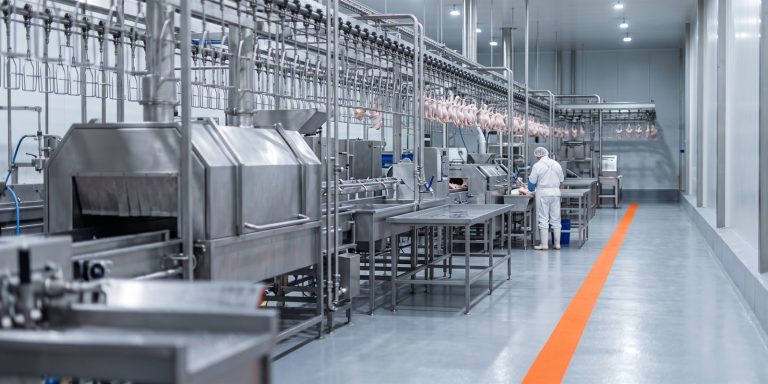
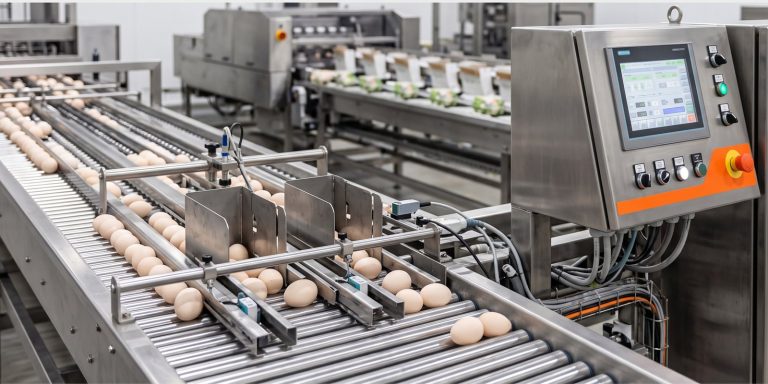
In every modern slaughterhouse and poultry processing plant, water is not a utility — it is a raw material. It touches live birds, carcasses, tools, floors and the final packaged product, which means poor water quality directly threatens food safety, shelf life and your compliance record. NPW designs and manufactures complete water purification systems purpose-built for slaughter and processing facilities, and the video below shows the production and on-site installation of one of these units.
Why Slaughterhouse Water Must Be Treated
Municipal or well water that looks perfectly clear can still carry hardness, iron, manganese, residual chlorine, organic load and bacteria. In a high-throughput plant this creates real problems: scale on scalding tanks and heat exchangers, off-flavours in chilled carcasses, blocked spray nozzles, and failed microbiological tests. Untreated water also shortens the service life of chillers, boilers and pre-chilling systems.
Inside an NPW Slaughterhouse Water Purification System
- Raw water lift and pre-filtration: multi-media and quartz sand filters remove suspended solids, silt and turbidity.
- Activated carbon filtration: eliminates residual chlorine, odour and organic compounds.
- Water softening: ion-exchange resin prevents calcium and magnesium scale in scalding and cleaning lines.
- Reverse osmosis (RO): delivers high-purity permeate for ingredient water and final rinsing.
- UV and ozone sterilisation: a final microbial barrier with no chemical residue.
- Storage and pressure boosting: food-grade stainless tanks and constant-pressure pumps for stable supply at every workstation.
Production, Installation and Commissioning — Step by Step
Each NPW unit is engineered around the client’s actual water analysis and hourly consumption, then fabricated on a compact skid frame in our own workshop. From there the process is tightly controlled:
- Factory testing: full pressure and flow tests before dispatch.
- Site installation: piping, electrical connection and tank positioning by NPW technicians.
- Commissioning: flushing, dosing calibration and RO membrane adjustment.
- Verification: on-site water sampling to confirm hardness, TDS and microbiological targets.
- Training: operators learn backwashing, cartridge replacement and daily record-keeping.
Built for the Reality of a Working Slaughterhouse
All wetted parts use food-grade 304 or 316L stainless steel; frames are skid-mounted for fast relocation; and control cabinets can be manual, PLC or fully automatic. Membrane housings, pumps and valves are positioned for quick service, so maintenance never interrupts a production shift. Systems are available in capacities ranging from small abattoirs to large integrated poultry lines.
Clean, consistent water is one of the cheapest food-safety investments a processing plant can make — it protects product quality, equipment life and your export certification.
If you are planning a new slaughterhouse, upgrading an existing line, or troubleshooting water quality problems, contact the NPW team at npwplastic.com for a tailored water treatment proposal.
Solutions related to this article
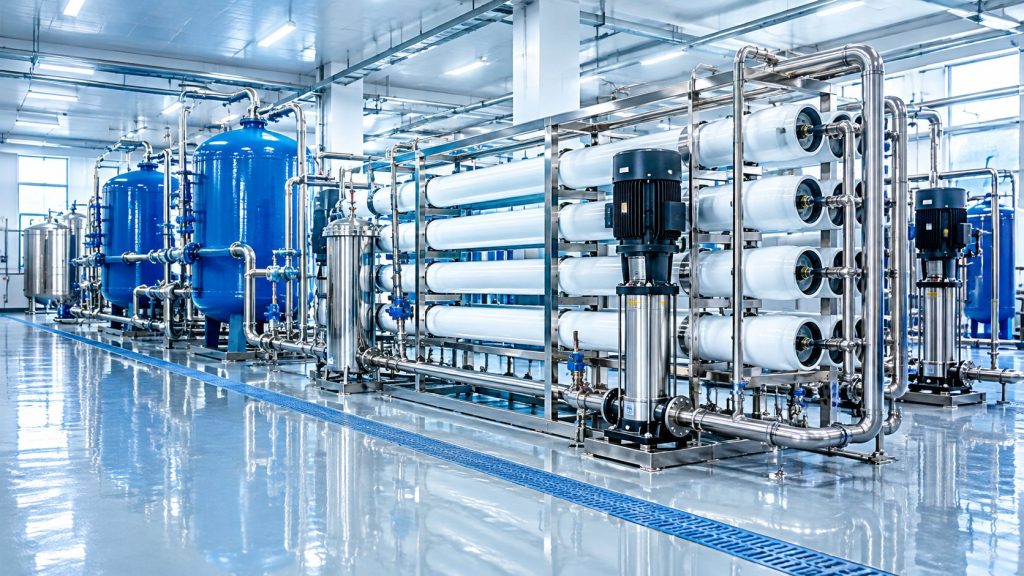 WaterWater Purification Equipment SolutionTreatment and reuse for process water, scalding tanks and plant supply.View solution →
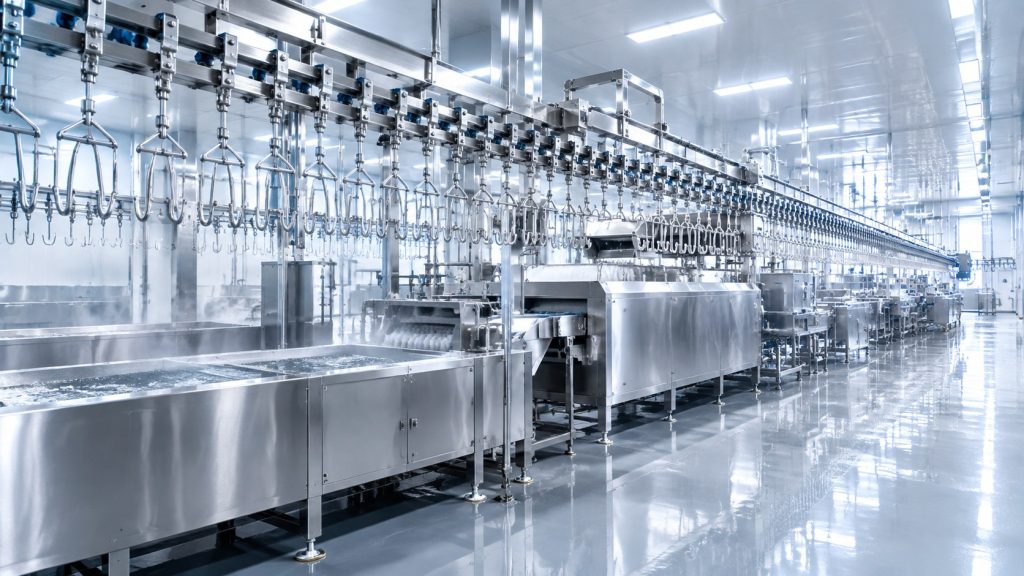 PoultryComplete Poultry Slaughter Line SolutionsHanging, scalding, plucking, evisceration and chilling on one continuous line.View solution →
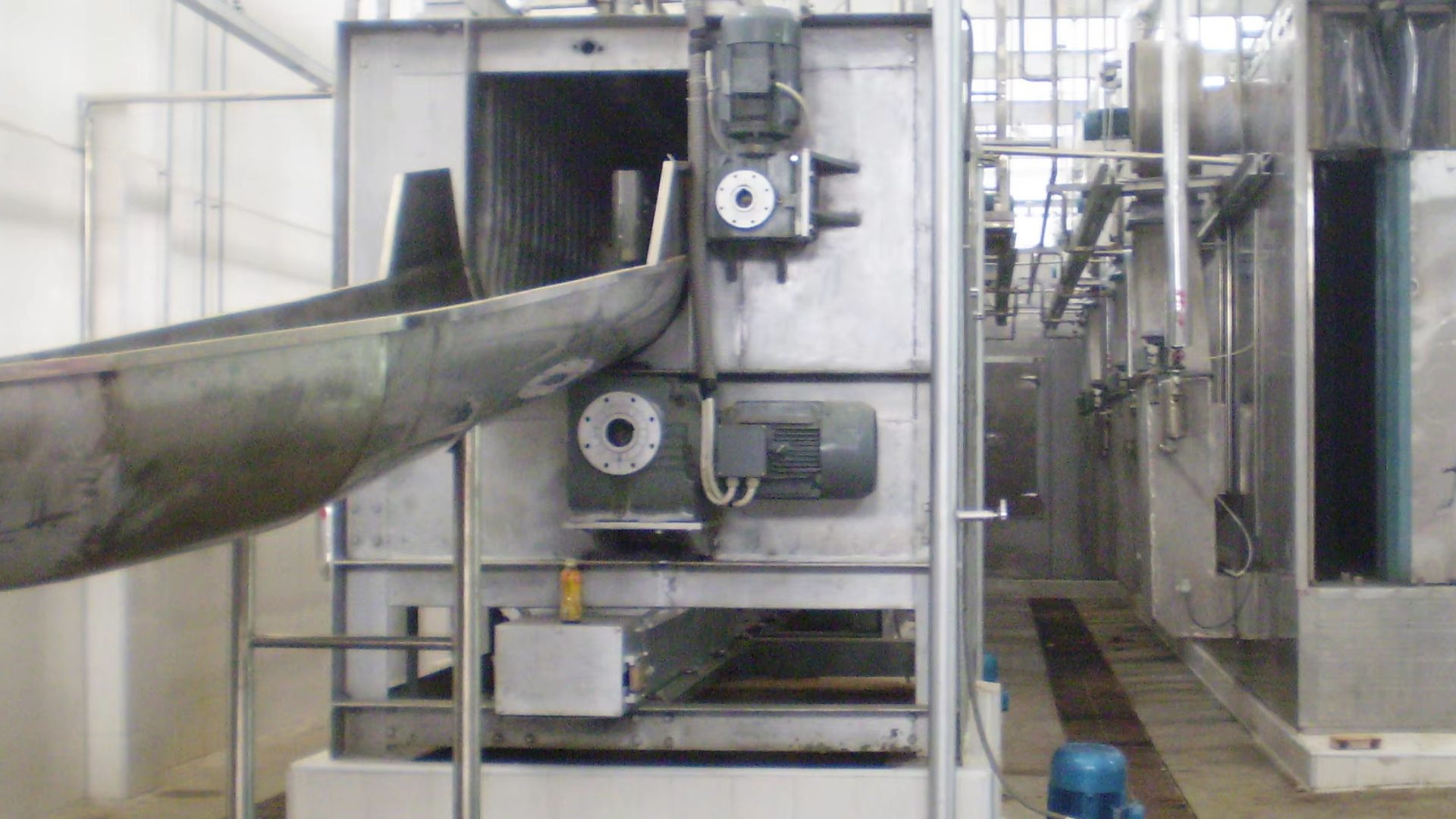 PigComplete Pig Slaughter Line SolutionsStunning, bleeding, scalding, dehairing, splitting and dressing for pig plants.View solution →