Introduction: The Critical Step of Evisceration in Poultry Processing
In the intricate workflow of a poultry slaughter line, evisceration is arguably the most delicate and hygiene-sensitive stage. While automation has revolutionized many parts of the process, the manual evisceration step—often performed by skilled workers—remains vital in certain settings, particularly for high-value products or when handling birds of varying sizes. NPW, a global leader in integrated slaughtering equipment, understands that this step demands not only precision but also strict adherence to food safety standards. In this article, we delve into the nuances of manual evisceration, its role in the overall poultry processing chain, and how it complements advanced machinery to deliver top-quality products.
The Evisceration Process: What It Entails
Manual evisceration involves the careful removal of the internal organs (viscera) from the carcass after the bird has been stunned, bled, scalded, and plucked. This step is critical because it directly impacts the final product’s quality and safety. Skilled operators must make precise incisions to avoid rupturing the intestines or gallbladder, which can contaminate the carcass with pathogenic bacteria like Salmonella or Campylobacter. The process typically includes:
- Venting: Making a small incision around the cloaca to loosen the intestine.
- Opening: Cutting along the abdomen to expose the cavity.
- Removal: Gently pulling out the entire viscera package, ensuring it remains intact.
- Inspection: Allowing for veterinary inspection of organs to detect any abnormalities or diseases.
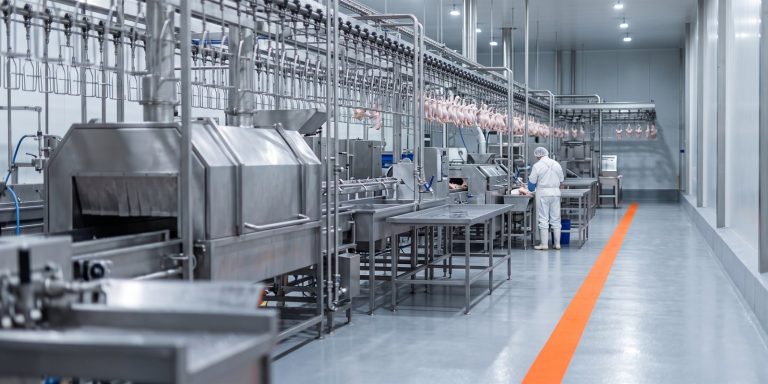
At NPW, we emphasize that even in manual operations, the workstation design and tool ergonomics are crucial. Our slaughter lines are engineered to provide optimal positioning and lighting, reducing operator fatigue and error rates.
Why Manual Evisceration Still Matters
Despite the availability of automatic eviscerators, manual evisceration offers distinct advantages:
- Flexibility: It can easily adapt to varying bird sizes and breeds, which is common in specialty or organic poultry processing.
- Product Quality: Skilled hands can minimize tissue damage, preserving the aesthetic appeal of the carcass, which is crucial for whole-bird sales.
- Inspection Integrity: Manual removal allows for a more thorough visual inspection of organs, supporting robust food safety protocols.
Moreover, in many regions, regulatory frameworks require veterinary inspection of each carcass’s organs. Manual evisceration facilitates this by keeping organs attached until inspection is complete.
Hygiene and Safety: Non-Negotiable Priorities
In any poultry processing environment, especially during manual evisceration, hygiene is paramount. NPW designs its facilities with food-grade stainless steel materials, smooth surfaces, and easy-to-clean layouts to prevent bacterial buildup. Workers must follow strict protocols, including:
- Frequent hand washing and tool sanitization.
- Immediate removal of contaminated carcasses.
- Maintaining low temperatures to slow microbial growth.
Additionally, proper training ensures that operators understand the risks of cross-contamination and the importance of their role in the food safety chain. Our experience at NPW shows that combining manual precision with automated upstream and downstream processes—like scalding, plucking, and chilling—delivers the best outcomes.
Integration with NPW’s Complete Poultry Slaughter Solutions
NPW provides comprehensive slaughter lines that seamlessly integrate manual evisceration stations with advanced machinery. For instance, after the evisceration step, carcasses can be automatically moved to pre-chillers and further processing equipment. Our line design optimizes workflow, reduces labor costs, and ensures consistent throughput. Whether you operate a small-scale facility or a high-capacity plant, NPW offers tailored solutions that respect both traditional craftsmanship and modern efficiency.
Conclusion
Manual evisceration is an art that combines skill, hygiene, and precision. It remains an indispensable part of many poultry operations, ensuring high-quality products that meet consumer expectations. At NPW, we support this critical step with well-designed workstations and integrated systems that enhance productivity without compromising safety. For more insights into poultry processing equipment and best practices, contact our team of experts today.
Solutions related to this article
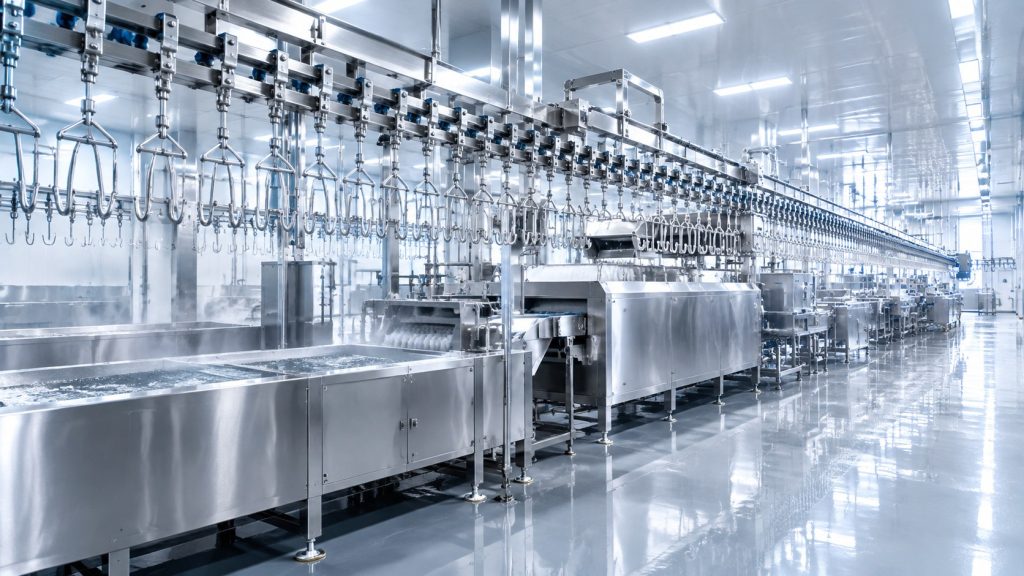 PoultryComplete Poultry Slaughter Line SolutionsHanging, scalding, plucking, evisceration and chilling on one continuous line.View solution →
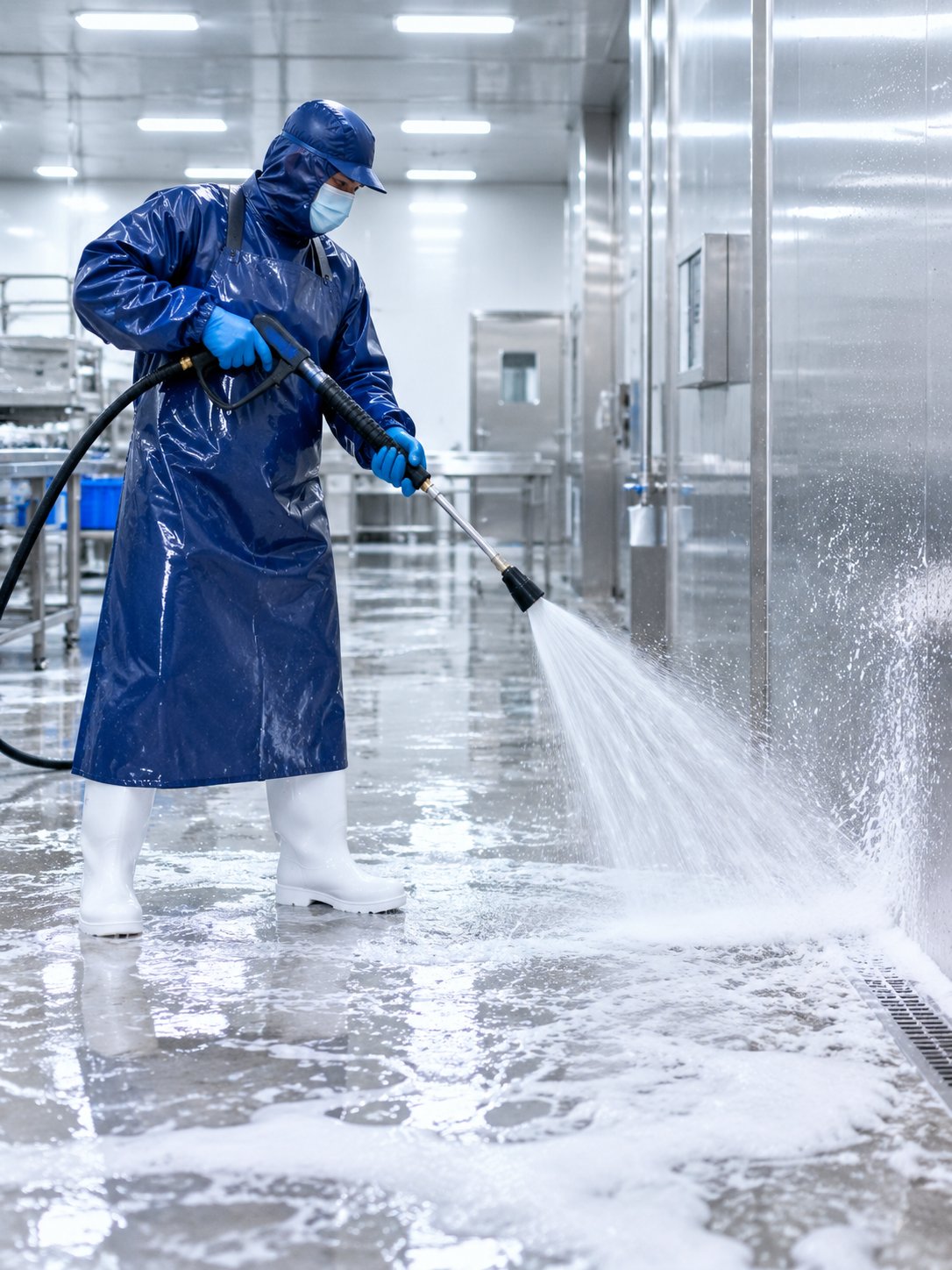 CleaningFood Industry Cleaning Equipment SolutionsFoam, CIP and washdown systems for food-contact surfaces and drains.View solution →
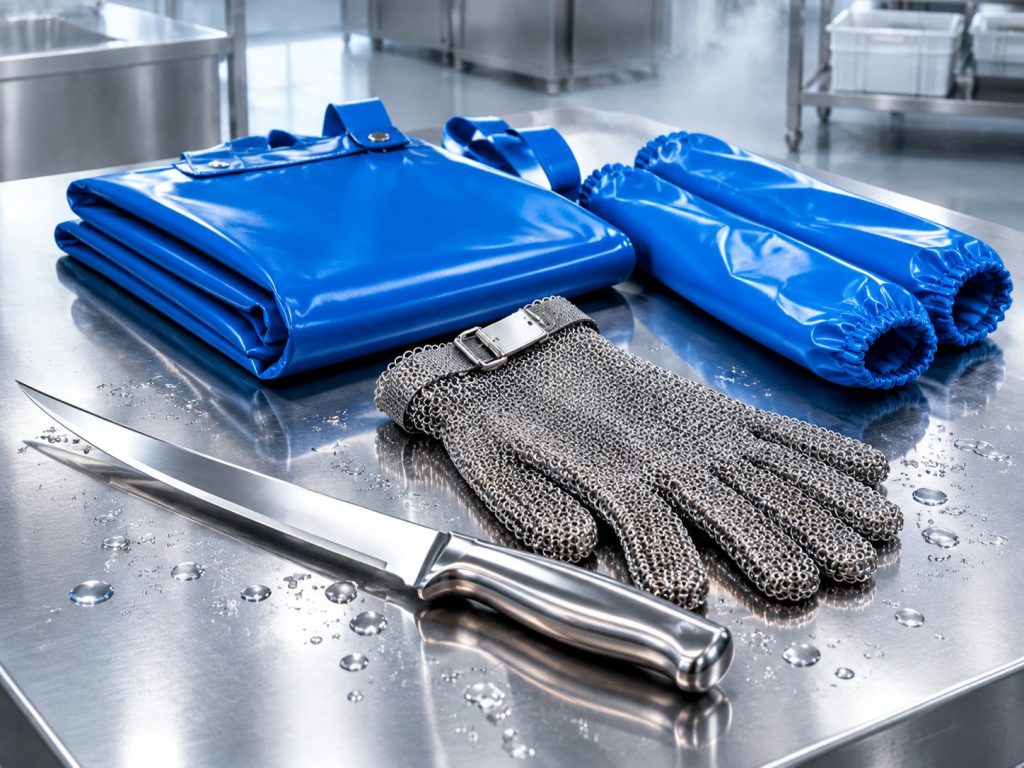 PPE & KnivesProtection, Cutting & Hygiene SolutionsKnives, aprons, gloves and hygiene kit for the kill floor and cutting room.View solution →