Introduction: The Critical Role of Vaccination in Ground-Level Broiler Operations
In modern poultry farming, especially within ground-level (floor) rearing systems, vaccination is a cornerstone of flock health management. The video titled “地面养殖肉鸡疫苗注射0823” highlights a routine yet crucial operation: administering vaccines to broilers raised on the ground. For large-scale producers, the efficiency and accuracy of this process directly impact bird welfare, disease prevention, and overall productivity. At NPW, we understand that beyond the equipment we manufacture—such as integrated slaughter lines and feeding systems—farm operations like vaccination require meticulous attention to detail and the right tools to ensure success.
Why Ground-Level Systems Demand Specialized Vaccination Protocols
Unlike caged or aviary systems, ground-level broiler houses present unique challenges for vaccination. Birds have free access to litter, which increases the risk of pathogen exposure. Therefore, timely and effective vaccination is non-negotiable. Key considerations include:
- Biosecurity: Vaccination teams must follow strict hygiene protocols to avoid introducing diseases into the flock.
- Bird Handling: Proper restraint minimizes stress and injury, ensuring accurate vaccine delivery.
- Dosage Accuracy: Each bird must receive the correct dose to build uniform immunity across the flock.
- Logistics: In large houses, organizing birds into manageable groups is essential for efficient processing.
Equipment and Techniques for Efficient Vaccination
While manual injection remains common, using the right equipment enhances speed and precision. For subcutaneous or intramuscular administration, automatic syringe injectors with adjustable dosage are recommended. These devices ensure consistent delivery and reduce operator fatigue. Additionally, using color-coded needles and proper sharps disposal systems are critical for safety and traceability.
In the context of ground-level operations, vaccination is often performed when birds are 1 to 21 days old, depending on the vaccine type. For example, Newcastle disease and Infectious Bursal Disease vaccines are typically administered via eye drop or coarse spray, but injectable vaccines require careful handling. The video demonstrates that a well-organized team can process hundreds of birds per hour, minimizing stress and downtime.
Integration with Overall Farm Management
Vaccination is not an isolated task; it is part of a comprehensive health management program. At NPW, we advocate for a holistic approach that includes:
- Monitoring: Regular health checks to identify any adverse reactions post-vaccination.
- Record Keeping: Documenting vaccine batches, dates, and bird counts for traceability.
- Staff Training: Ensuring personnel are skilled in proper injection techniques and biosecurity measures.
- Equipment Maintenance: Regularly calibrating injectors and cleaning equipment to prevent malfunctions.
Conclusion: Enhancing Flock Health with Proven Practices
Ground-level broiler vaccination is a delicate balance of science and operational efficiency. By adopting best practices and leveraging reliable equipment, producers can significantly reduce disease outbreaks and improve growth performance. While NPW specializes in slaughter and processing lines, we recognize that the journey to a healthy flock begins long before birds reach the processing plant. Therefore, we encourage farmers to invest in proper vaccination protocols as a key pillar of their production strategy. For more insights into poultry farming equipment and processing solutions, visit npwplastic.com.
Remember: A well-vaccinated flock is a productive flock. Prioritize vaccination accuracy and biosecurity to maximize your return on investment.
Solutions related to this article
 PoultryComplete Poultry Slaughter Line SolutionsHanging, scalding, plucking, evisceration and chilling on one continuous line.View solution →
 FarmingPoultry & Livestock Equipment SolutionBroiler and layer houses with feeding, drinking, climate and manure systems.View solution →
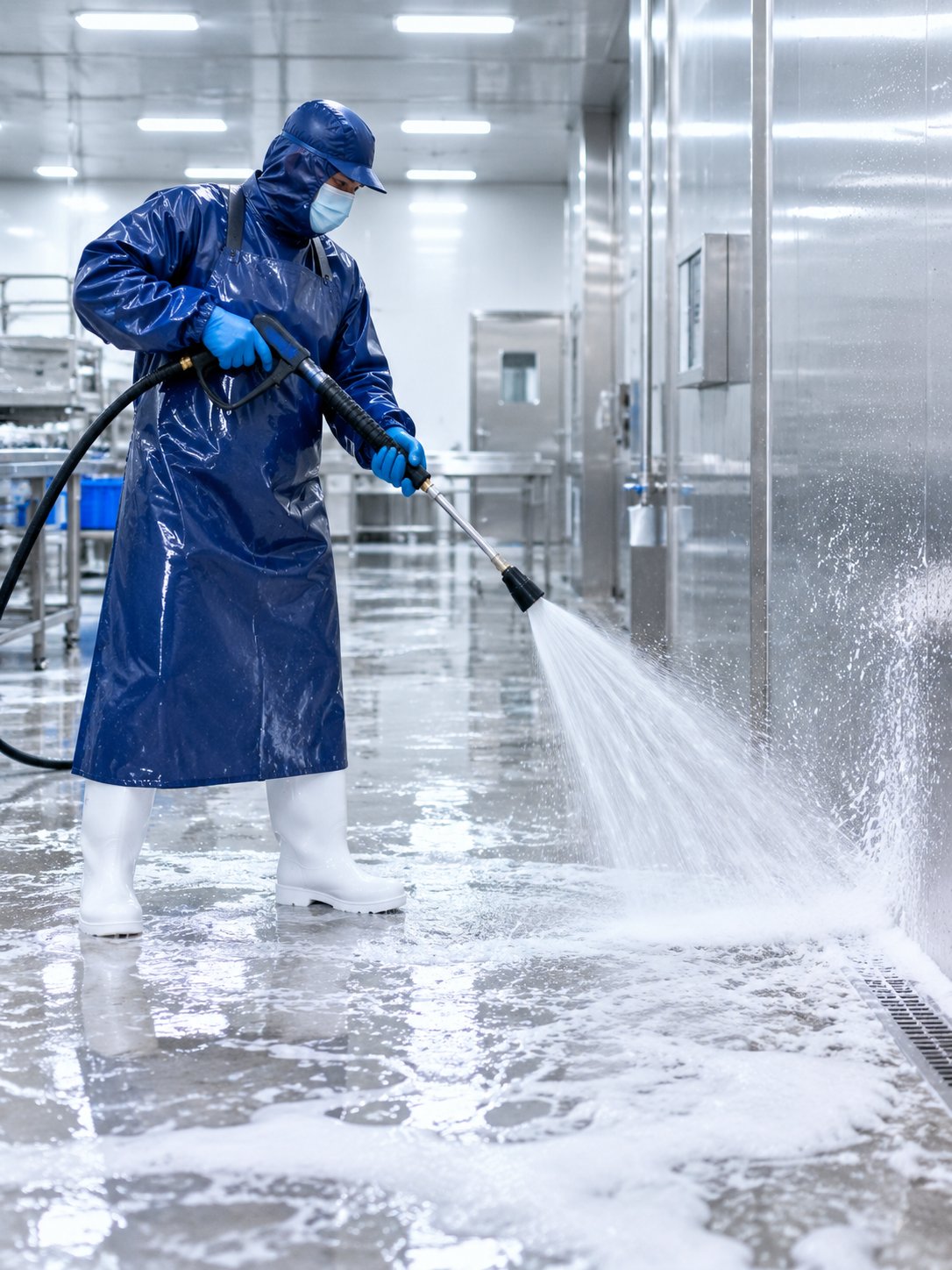 CleaningFood Industry Cleaning Equipment SolutionsFoam, CIP and washdown systems for food-contact surfaces and drains.View solution →