Poultry Wishbone Halving Machine
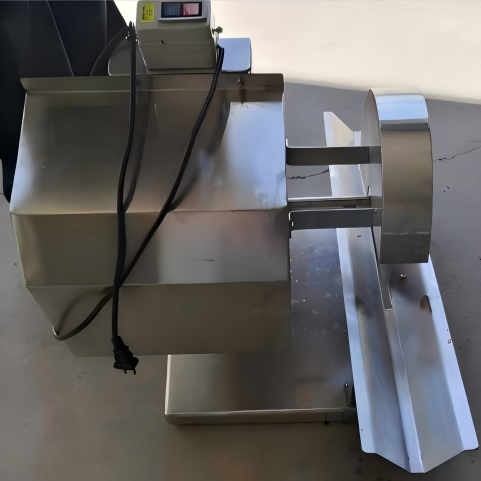
A highly efficient, specialized poultry cutting machine designed for rapid wishbone halving. Constructed with food-grade stainless steel, a robust 1.1kW motor, and a targeted guide slot system, this lightweight 30kg machine delivers high-speed throughput, maximum operator safety, and easy washdowns for poultry processing lines.
Contact Us for Pricing
Interested in this product? Contact us now for detailed pricing and product information.
Product Details
I. Product Overview
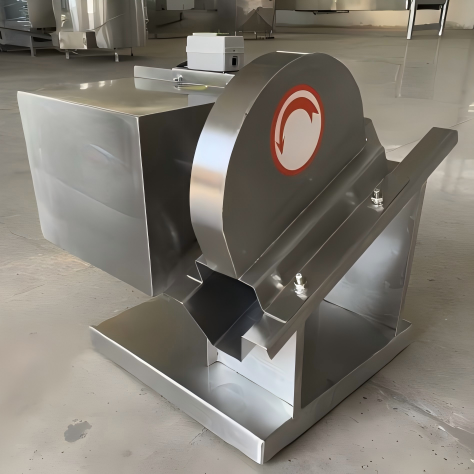
The Poultry Wishbone Halving Machine (Model 13) is a highly specialized food processing machine engineered specifically for splitting and halving poultry wishbones (commonly known as chicken wishbones or “chicken fork bones”). This machine provides a high-volume, automated cutting solution for poultry slaughterhouses, specialized snack food processing factories (such as fried wishbone snack producers), wholesale markets, and central commercial kitchens.
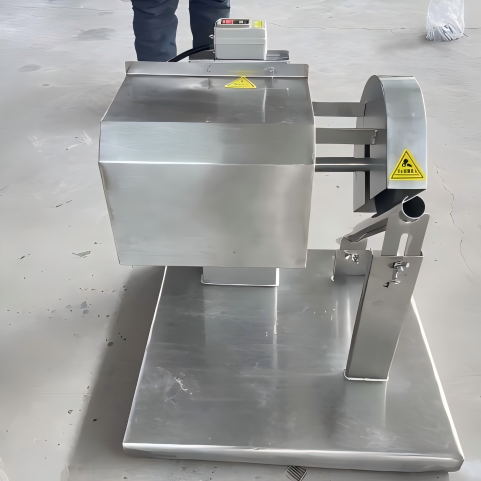
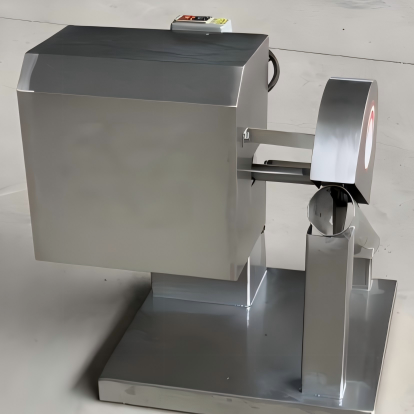
Built with a specialized vertical positioning guide, the Model 13 stabilizes the fork-shaped wishbones during feeding to ensure exact centerline splitting. Weighing a compact 30kg, this machine combines high-speed processing efficiency with heavy-duty construction, dramatically lowering manual labor costs while maintaining strict hygiene and worker safety standards.
II. Structural Features & Working Principle
1. Key Structural Features
- Wishbone Alignment Guide: Features a custom-contoured feed slot designed to accommodate the unique fork shape of wishbones, aligning them perfectly before they contact the blade.
- Premium Alloy Cutting Blade: Equipped with a heavy-duty, wear-resistant circular alloy blade that slices through wishbone cartilage and bone cleanly, avoiding crushing and keeping meat intact.
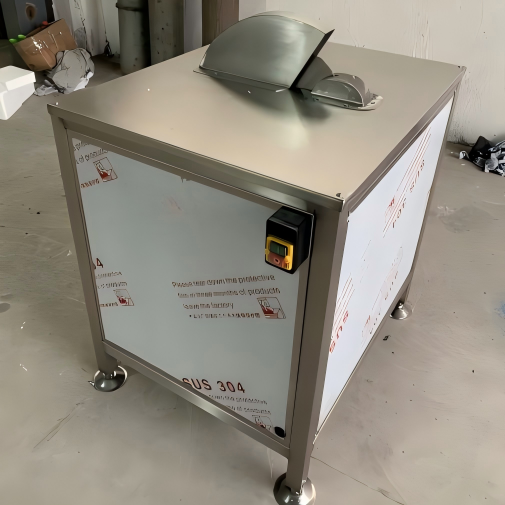
- Lightweight Stainless Steel Frame: Built from high-quality food-grade stainless steel with a compact 30kg footprint, making it easy to relocate while providing structural durability and rust resistance.
- Hermetically Sealed Motor: Driven by a high-power 1.1kW motor housed inside an airtight protective enclosure, allowing for direct water spraying during cleanup.
2. Working Principle
Once powered on, the 1.1kW motor drives the alloy circular blade to spin at high speeds. The operator places the poultry wishbone onto the specialized guide channel and slides it forward. The alignment guide holds the fork bone centered as it slides beneath the safety shield. The high-speed rotating blade instantly slices through the center joint, splitting the wishbones into clean, symmetrical halves in a fraction of a second.
III. Main Technical Parameters
| Parameter | Specification |
|---|---|
| Model / ID | Poultry Wishbone Halving Machine (Model 13) |
| Function | Poultry Wishbone Halving & Splitting (Chicken Wishbones, Chicken Fork Bones) |
| Structural Material | Premium Food-grade Stainless Steel |
| Rated Voltage | 220V / 380V (Dual-voltage options) |
| Motor Power | 1.1 kW |
| Compatible Blade Diameter | Ø200 mm / Ø250 mm (Optional) |
| Machine Net Weight | 30 kg |
| Overall Dimensions (L×W×H) | 400 × 500 × 500 mm |
| Export Wooden Case Size | N/A (Standard export case customizable upon request) |
| Gross Weight (With Case) | N/A |
IV. Installation & Commissioning
1. General Installation Procedure
- Set the machine on a flat, highly stable commercial workbench and lock any leveling mounts in place to reduce vibration.
- Verify that the power outlet matches the specific voltage requirements (220V single-phase or 380V three-phase).
- Connect the power cables securely. For 380V configurations, verify the correct motor rotation direction (matching the arrow).
- Run the machine idle (empty) for 2 minutes to inspect for standard smooth operation and make sure there are no loose parts.
2. After-Sales Service
Installation assistance, spare parts support, and localized maintenance guides are available through our customer service team or via structured remote video support.
V. Safe Use & Precautions
1. Before Use
- Ensure only authorized, trained operators handle the wishbone processing equipment.
- Check that the rotary blade locking nut is tightened securely before turning on power.
- Ensure the heavy-duty safety guide guard is securely in place and aligned correctly.
2. Operational Safety
- Strictly Prohibited: Never feed wishbones towards the rotating blade with bare hands. Use the specialized positioning channel and maintain a safe hand distance.
- Avoid wearing hanging jewelry, loose ties, wide-sleeved jackets, or loose-fitting gloves which could get caught in the rotating blade.
- Always turn off the machine and disconnect the power supply completely before performing any cleaning, blade changes, or maintenance.
3. Safety Pictograms
| Symbol / Hazard | Safety Meaning & Precautionary Measures |
|---|---|
| Danger | Rotating blade hazard. Keep hands and fingers clear of the cutting guard and guide channel. |
| Danger | Electrical shock hazard. Always disconnect power before performing electrical troubleshooting or maintenance. |
| Warning | Extremely sharp blade. Use extreme caution and wear cut-proof safety gloves during blade changes. |
| Warning | Never operate the wishbone machine if the safety shields or feed guides are removed. |
4. Daily Maintenance
| Frequency | Maintenance Task Description |
|---|---|
| Every Shift | Wash down the custom feed guide channel and blade protective shield with sanitizing solution. |
| Every Week | Inspect motor attachment stability and make sure the central blade locking nut is perfectly tight. |
| Every Month | Examine the blade edges for any minor micro-cracking, chips, or general dullness; sharpen or replace if required. |
| Every 3 Months | Check structural wiring insulation, verify the integrity of the watertight seal, and confirm ground wire safety. |
VI. Simple Troubleshooting
| Problem Encountered | Possible Root Cause | Recommended Solution |
|---|---|---|
| Motor does not start when switched on | 1. Power cord is disconnected or broken. 2. Internal capacitor is faulty. |
1. Inspect power cord connections and test wall outlet. 2. Have a professional technician replace the capacitor. |
| Wishbones are tearing or crushed instead of sliced | 1. Cutting blade is blunt or chipped. 2. Blade has been installed backwards. |
1. Sharpen the circular blade or mount a new replacement. 2. Re-install the circular blade facing the correct cutting direction. |
| Heavy machine vibration or loud structural noise | 1. Central blade lock-nut is loose. 2. The bench surface is uneven or unstable. |
1. Stop operation instantly and tighten the lock-nut firmly. 2. Move the equipment to a stable, flat, non-slip workbench. |
| Motor overheats quickly during operation | 1. Feeding too rapidly, causing motor overloading. 2. Supply line voltage is too low. |
1. Slow down the feeding speed, feeding wishbones consistently. 2. Verify that supply line voltage conforms to specifications. |