

Executive Summary
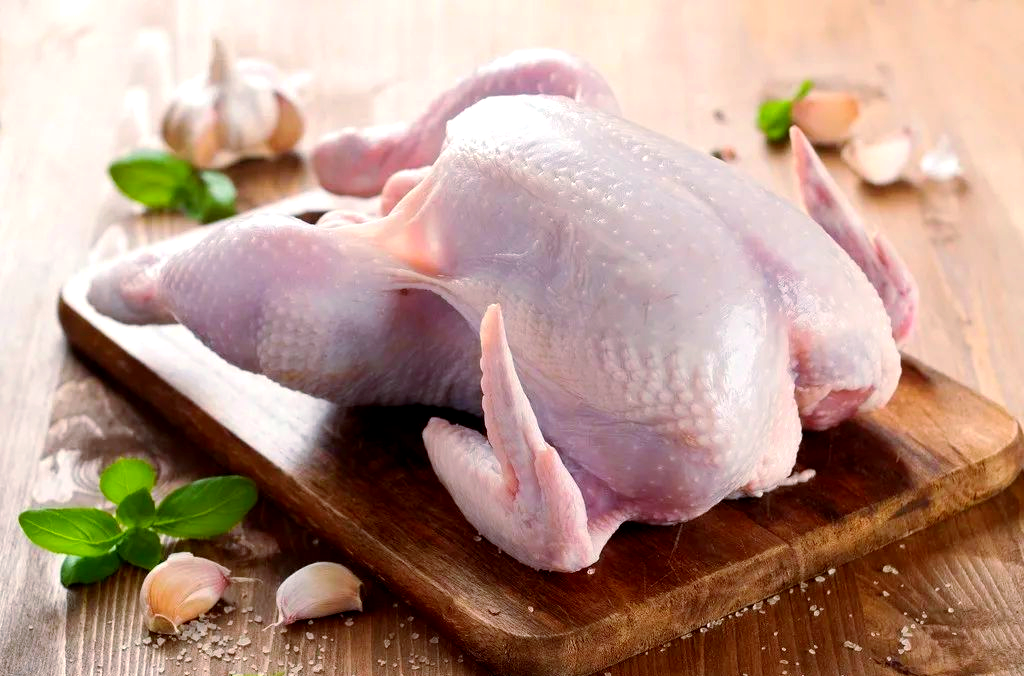
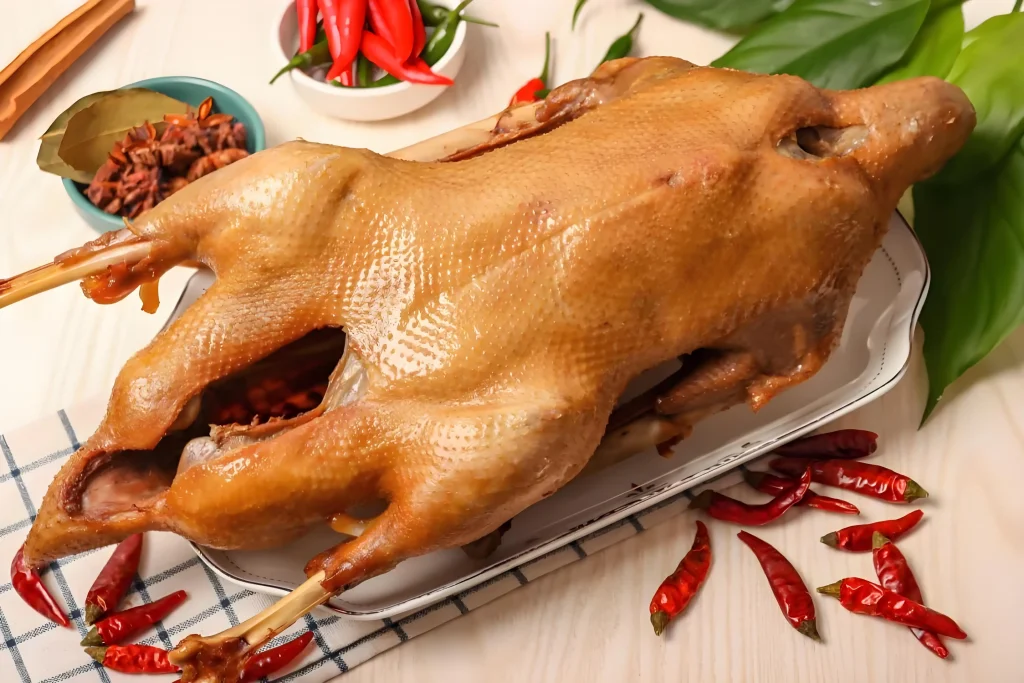
This report provides a comprehensive analysis of the consumption demand trends for global poultry meat (primarily chicken). The core conclusion is that poultry meat has firmly established itself as the world’s largest source of animal protein, and its consumption growth is projected to continue outpacing other meats in the foreseeable future. This dominance is underpinned by economic efficiency, health perceptions, supply chain resilience, and continuous technological innovation. Global consumption growth exhibits regional divergence, with mature markets like the US and Brazil showing stable growth from a high base, while emerging markets in Asia and Africa demonstrate strong growth potential. Concurrently, challenges such as avian influenza and cost pressures require ongoing attention.
Chapter 1: Macro Trends: The Consolidating Dominance of Poultry Consumption
1.1 Sustained Growth in Production and Consumption, Securing the Top Spot
According to the latest forecasts from the US Department of Agriculture (USDA), global poultry meat production is projected to reach a record 109.6 million metric tons in 2026, representing a 2% increase from 2025. This growth rate exceeds that of nearly stagnant pork and a projected 1% decline for beef, further widening poultry’s lead. Consumption growth parallels production, cementing poultry’s status as the preferred animal protein for consumers in most countries.
In the United States, one of the world’s largest consumer markets, USDA data indicates that per capita chicken availability is forecast to reach 102.8 pounds (approx. 46.6 kg) in 2026, significantly surpassing beef at 56.9 pounds (approx. 25.8 kg) and pork at 50.9 pounds (approx. 23.1 kg).
1.2 Active Global Trade and Record Exports
Strong global demand is driving trade growth. World poultry meat exports are projected to reach a new high of 14.7 million metric tons by 2026. Brazil, as the world’s largest exporter, is forecast to maintain chicken exports at 5.2 million metric tons in 2025, with potential growth to 5.5 million metric tons in 2026. This underscores the critical role of international trade in balancing global supply and demand.
Table 1: Comparative Global Meat Supply & Demand Forecast for 2026
| Category | Projected Global Production (Million MT) | Year-on-Year Change | Key Characteristics |
|---|---|---|---|
| Poultry Meat | 109.6 | +2% | Continuous growth to a record high, driven by robust demand. |
| Pork | 117.2 | Largely flat | Stable production with limited growth momentum. |
| Beef | 61.0 | -1% | Production expected to decline slightly, impacted by costs and substitution. |
Chapter 2: Analysis of Core Driving Factors
2.1 Economic Efficiency and High Feed Conversion Ratio
Poultry meat (especially broiler chicken) boasts the best feed conversion ratio (approximately 1.6:1) among major meats, meaning it requires less feed to produce the same weight of meat, resulting in lower costs. Amid high feed ingredient prices and global inflationary pressures, this economic efficiency makes poultry the protein of choice for cost-conscious consumers and the foodservice industry.
2.2 Pervasion of Healthy Eating Perceptions
Consumers worldwide increasingly perceive poultry meat, particularly chicken breast, as a low-fat, high-protein healthy choice. This perception aligns perfectly with prevailing trends in fitness culture and weight management. In contrast, greater consumer concerns regarding the association of red meat with health risks like cardiovascular diseases further drive the preference shift towards poultry.
2.3 Supply Chain Resilience and Diversity of Consumption Occasions
The short growth cycle of broiler chickens (approx. 40 days to market) allows the supply chain to respond quickly to market changes, ensuring relatively stable supply. Simultaneously, poultry’s culinary adaptability and neutral flavor profile enable its integration into diverse global cuisines, from fast-food fried chicken and sandwiches to home-cooked meals and premium health-conscious dishes, meeting consumer demand for convenience, value, and taste.
2.4 Industry Technological Advancements Supporting Efficiency Gains
To address cost pressures and disease challenges, the global poultry industry is accelerating technological adoption, strengthening its growth foundation from the supply side:
- Automation & Precision Farming: Technologies like automated chick sexing and separate-sex rearing significantly improve flock uniformity, feed conversion rates, and processing yields, becoming new benchmarks for efficiency.
- Enhanced Biosecurity: Against threats like avian influenza, precision vaccination technologies (e.g., AI systems processing tens of thousands of chicks per hour) are being adopted to build more reliable disease defenses and ensure supply stability.
- Value Chain Integration: The industry is shifting from fragmented operations towards integrated “hatch-grow-process” management, optimizing quality, reducing costs, and swiftly responding to market demand for high-value cut products through full-chain collaboration.
Chapter 3: In-depth Analysis of Key Regional Markets
The global poultry consumption landscape is characterized by a distinct pattern: “stable growth in high-base mature markets versus rapid expansion in emerging markets.”
3.1 North American Market (Represented by the USA): Stable Growth from a High Base
The US market is highly mature with leading global consumption. Its growth is no longer driven by大幅 increases in per capita consumption (forecast at 46.6 kg in 2026) but is evident in:
- Product Mix Upgrading: Consumers show willingness to pay a premium for value-added products like “antibiotic-free,” “free-range,” and “organic.”
- Channel & Occasion Deepening: Poultry maintains a central role in quick-service restaurants (QSR), prepared meals, and home health-conscious cooking, with its value advantage becoming more pronounced during periods of consumer budget sensitivity.
3.2 Brazilian Market: A Giant Driven by Dual Engines of Production and Consumption
Brazil is not only the world’s largest exporter but also demonstrates remarkable vitality in its domestic market:
- Continuous Production Expansion: Chicken production is forecast to reach 15.4 million MT in 2025 and increase to 15.7 million MT in 2026.
- Exceptionally Strong Domestic Demand: Domestic chicken supply is projected to grow 5.4% in 2025, with per capita consumption expected to jump from 45.5 kg in 2024 to 47.8 kg, nearing the 50 kg mark and ranking among the world’s highest. This highlights the robust resilience of its domestic market post-avian influenza challenges.
Table 2: Forecast of Key Brazilian Poultry Data for 2025-2026
| Indicator | 2024 (Actual/Base) | 2025 (Forecast) | 2026 (Forecast) | Trend Interpretation |
|---|---|---|---|---|
| Chicken Production | 14.972 MMT | 15.40 MMT | 15.70 MMT | Steady growth, consolidating global leadership. |
| Chicken Exports | 5.295 MMT | 5.20 MMT | 5.50 MMT | Resuming growth after short-term adjustment, indicating strong demand. |
| Per Capita Chicken Consumption | 45.5 kg/person | 47.8 kg/person | ~47.8 kg/person | Significant domestic demand driver, consumption reaches world-top tier. |
3.3 Asian Market: The Core Engine of Global Growth
Asia, particularly China and Southeast Asian nations, is the world’s fastest-growing region for poultry consumption.
- Consumption Structure Transformation: In China, meat consumption is diversifying from pork towards poultry and other proteins. Demand for affordable white-feathered chicken remains strong.
- New Consumption Formats as Catalysts: The explosive growth of “prepared dishes” and “single-serve” economies in markets like China, where poultry products are a major category, is opening new avenues for consumption growth.
- Synchronized Capacity and Demand Rise: As a major producer, China’s output is forecast to reach 16.7 million MT in 2026, driven largely by domestic and regional demand growth.
3.4 EU, Middle East & African Markets
- European Union: A mature market with moderate growth. Consumption trends are increasingly shaped by regulations concerning animal welfare and sustainability, pushing the industry towards more ethical and environmentally friendly models.
- Middle East & Africa: Characterized by rapid population growth and urbanization, demand for poultry as a relatively affordable animal protein continues to rise. The Middle East relies heavily on imports, while Africa’s domestic poultry sector is developing rapidly.
Chapter 4: Challenges and Future Outlook
4.1 Key Risks and Challenges
- Animal Diseases: Highly Pathogenic Avian Influenza (HPAI) remains the industry’s most severe and persistent threat. Outbreaks lead to large-scale culling, trade disruptions, and soaring production costs, causing significant volatility in the global supply chain.
- Cost Pressures: Feed costs (corn, soybean meal) constitute 60%-70% of total production costs. Their prices, influenced by climate and geopolitics, directly impact industry profitability.
- Sustainability Requirements: Increasingly stringent demands from consumers and regulators regarding environmental protection, carbon emissions, and animal welfare necessitate greater capital investment for technological upgrades to meet new standards.
4.2 Future Trend Outlook
- Deepening Consumption Trends: Demand will become more segmented and pronounced for poultry products that offer convenience (prepared/ready-to-eat), health benefits (low-fat, high-protein), and quality (animal welfare, traceability).
- Technology-Driven Efficiency Revolution: Artificial intelligence, automation, and big data analytics will be key for companies building cost advantages and quality barriers in smart farming and precision processing.
- Regionalization & Supply Chain Reshaping: In response to disease and trade policy risks, global supply chains may trend towards more regional configurations, with tighter production and trade links around major consumption hubs (e.g., within Asia).
Conclusion
Global poultry meat consumption has entered a new growth cycle defined by efficiency, health, and innovation. Its position as the dominant animal protein is not only secure but is being continually reinforced through technological progress and consumption occasion innovation. For industry participants, future competition will transcend simple scale expansion, shifting towards optimizing full-chain supply efficiency, accurately capturing segmented consumer demand, and taking tangible action on sustainability. While navigating uncertainties like avian influenza, companies that actively embrace technological innovation and consumption evolution will be better positioned to capitalize on the long-term opportunities presented by this global trend.
