——Exclusive Interview with Mr. Ahmed Al-Otaibi, Listening to Voices from Central Asia
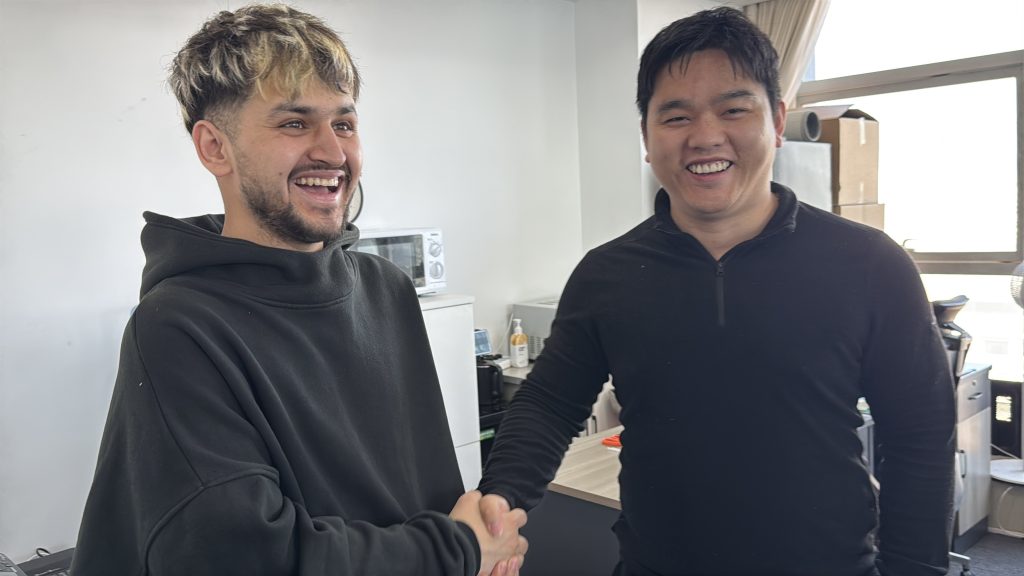
【NPW, China】 March 9, 2026 — The spring breeze brings warmth to ShanDong as it welcomes a special guest — Mr. Ahmed Al-Otaibi from Tashkent, Uzbekistan. As the Technical Manager of Al-Ataibi Poultry Group, this is his first visit to the NPW factory, and also the first handshake across thousands of miles after months of online communication.
During the two-day visit, Amanda Chen, NPW’s Foreign Trade Manager, accompanied him throughout and conducted an in-depth interview with Mr. Ahmed, listening to his impressions of this trip to China and his thoughts on the development of the Central Asian poultry industry.
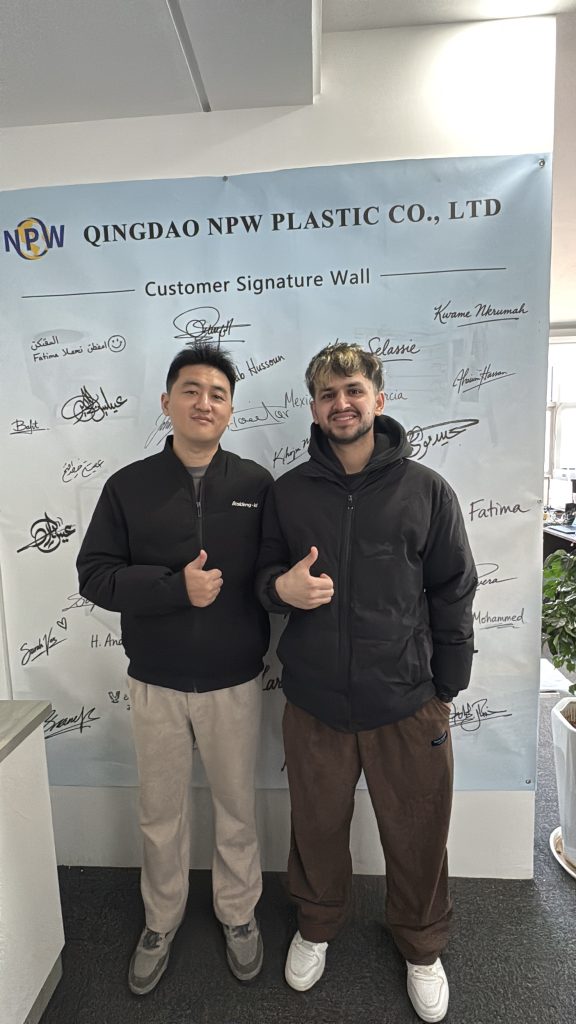
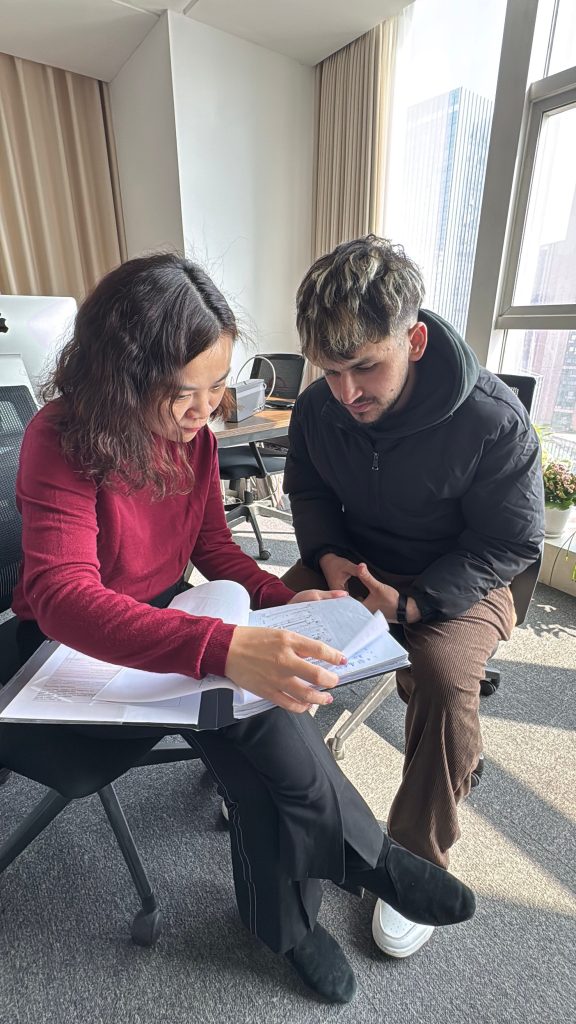
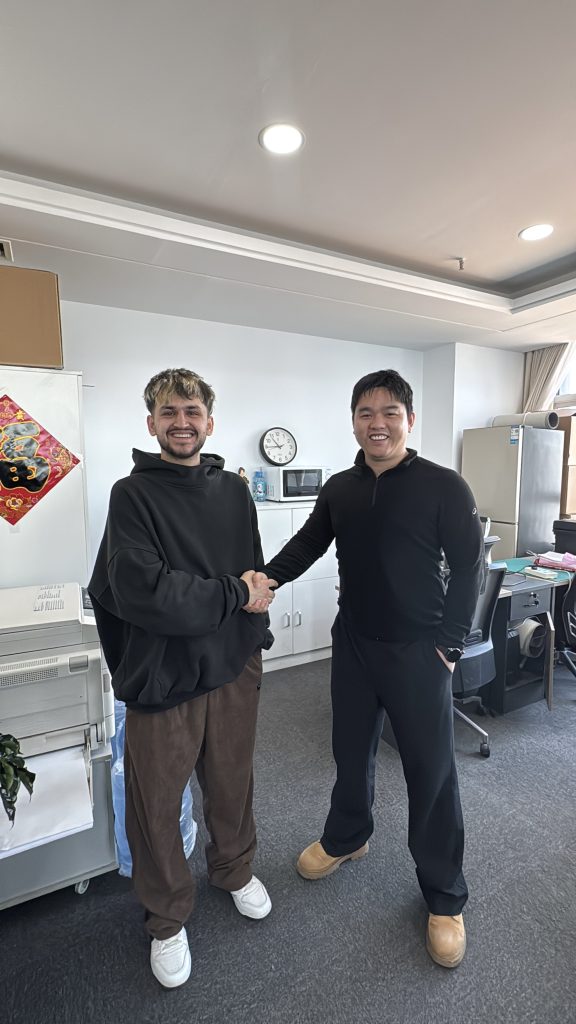
I. First Meeting: Trust from Screen to Reality
Amanda Chen: Mr. Ahmed, welcome to NPW! This is our first face-to-face meeting, but it feels like we’ve known each other for a long time.
Mr. Ahmed: Thank you, Amanda, indeed it does! Over the past few months, we’ve communicated countless times through video conferences, emails, and WhatsApp. Today, finally standing in your factory, it feels wonderful.
Amanda Chen: Yes, no matter how deep online communication goes, it cannot replace face-to-face interaction. What prompted you to make the decision to visit China for this inspection?
Mr. Ahmed: (smiling) Because a 3,000 birds/hour slaughter line is a significant investment for us. In Uzbekistan, the poultry industry is developing rapidly, and we need to choose truly reliable partners. Online communication gave me confidence in NPW’s technical solutions, but only by seeing the production line with my own eyes and touching the equipment can I truly feel at ease.
II. Visiting the Workshop: Witnessing “Made in China” Firsthand
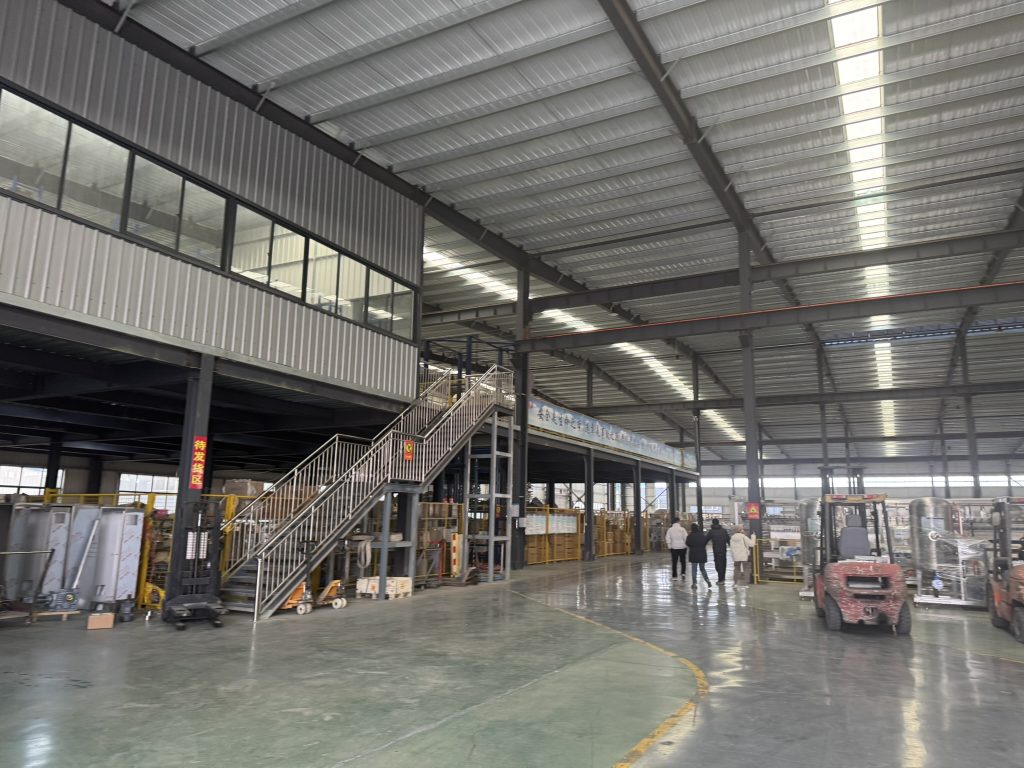
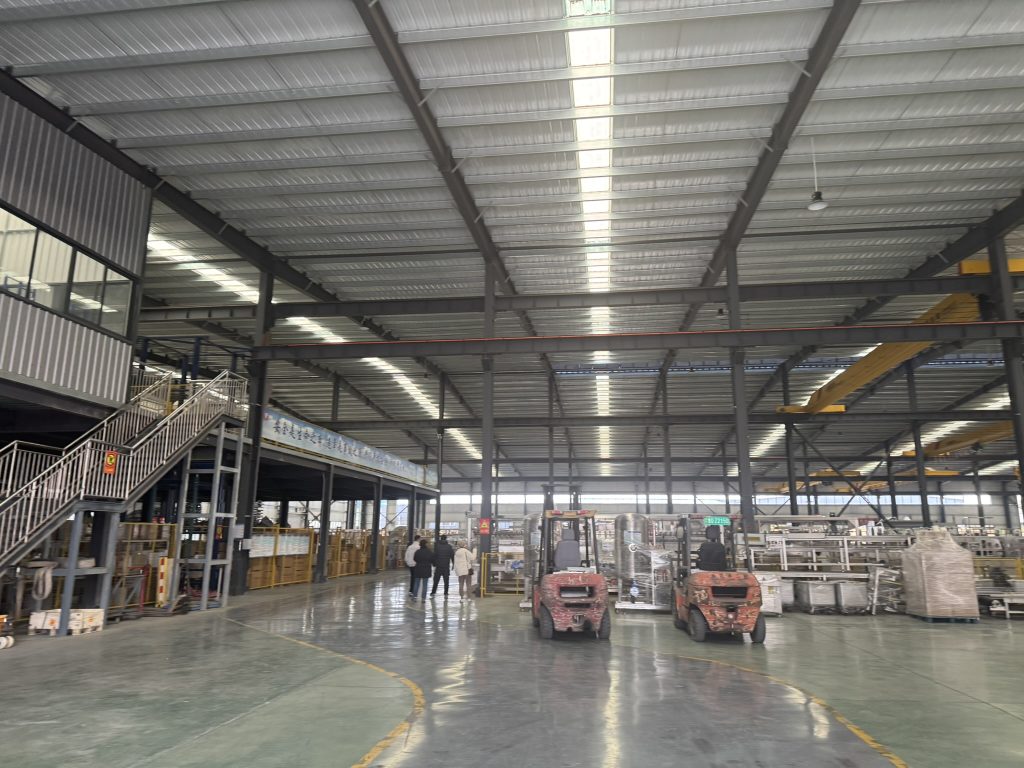
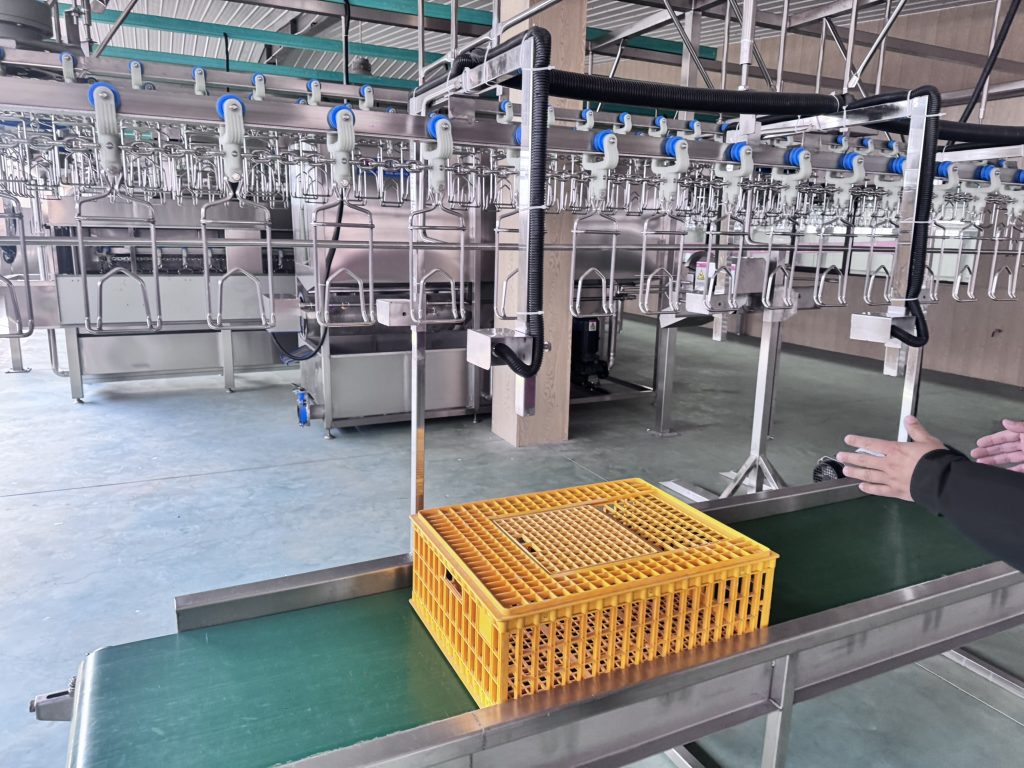
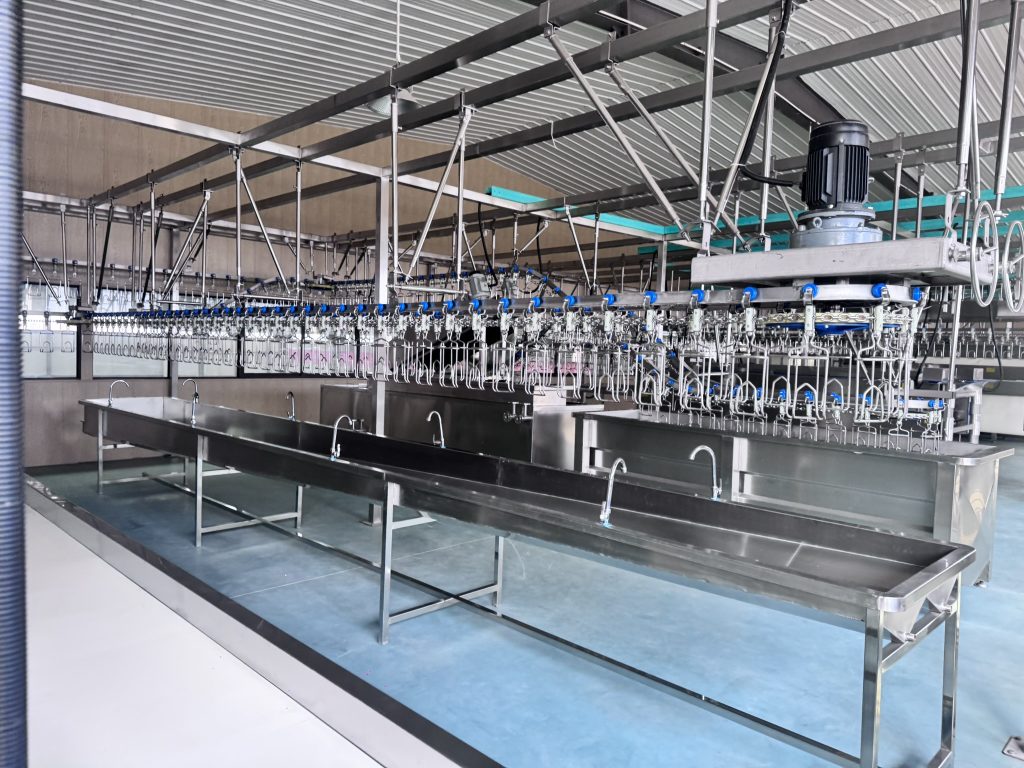
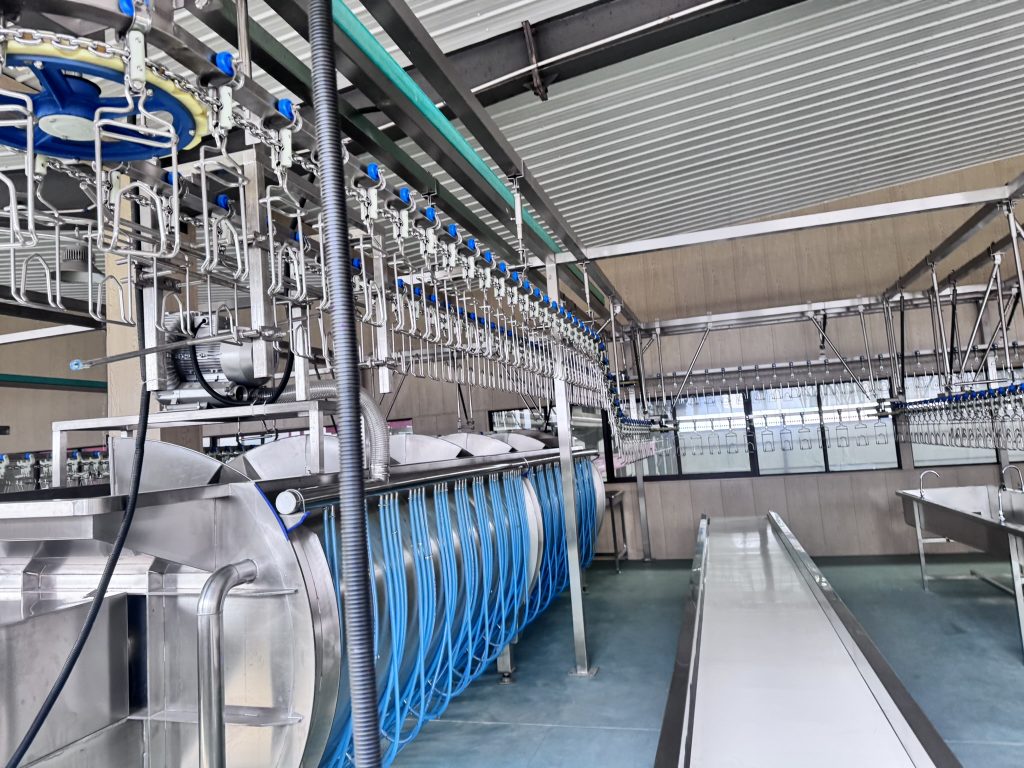
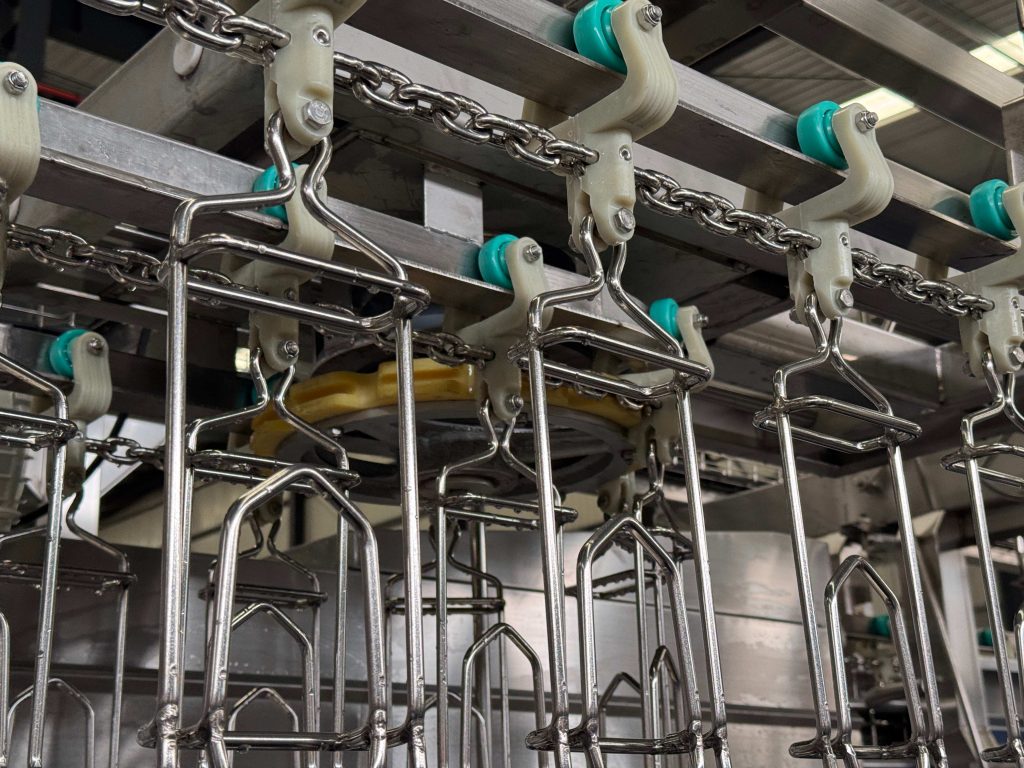
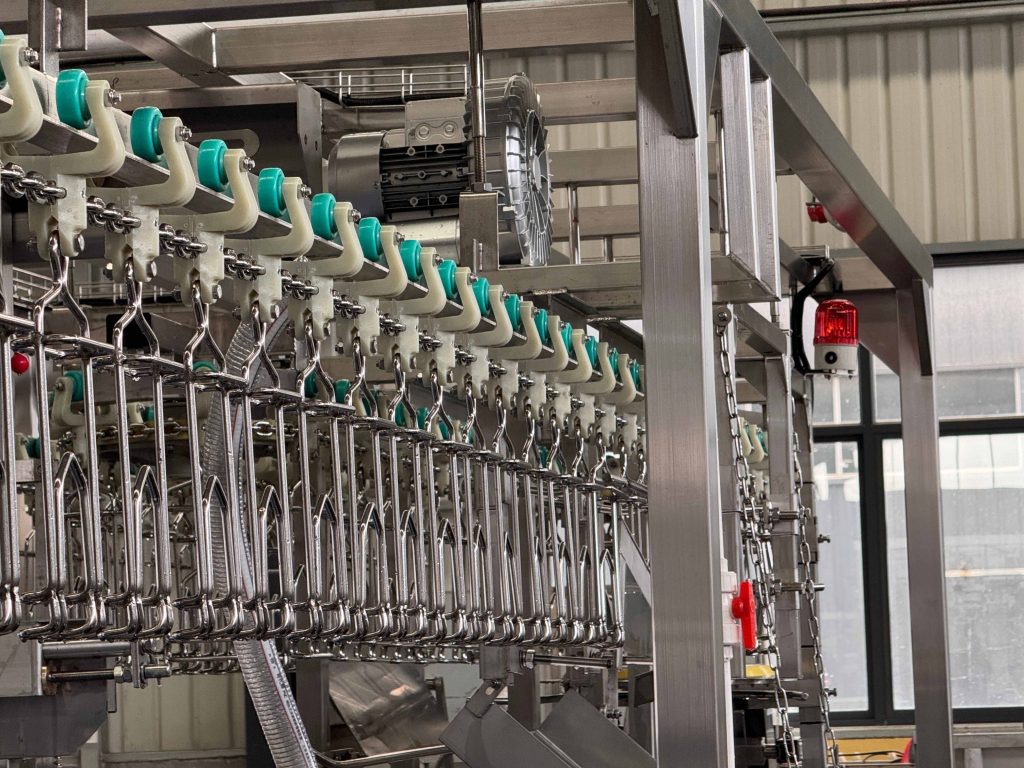
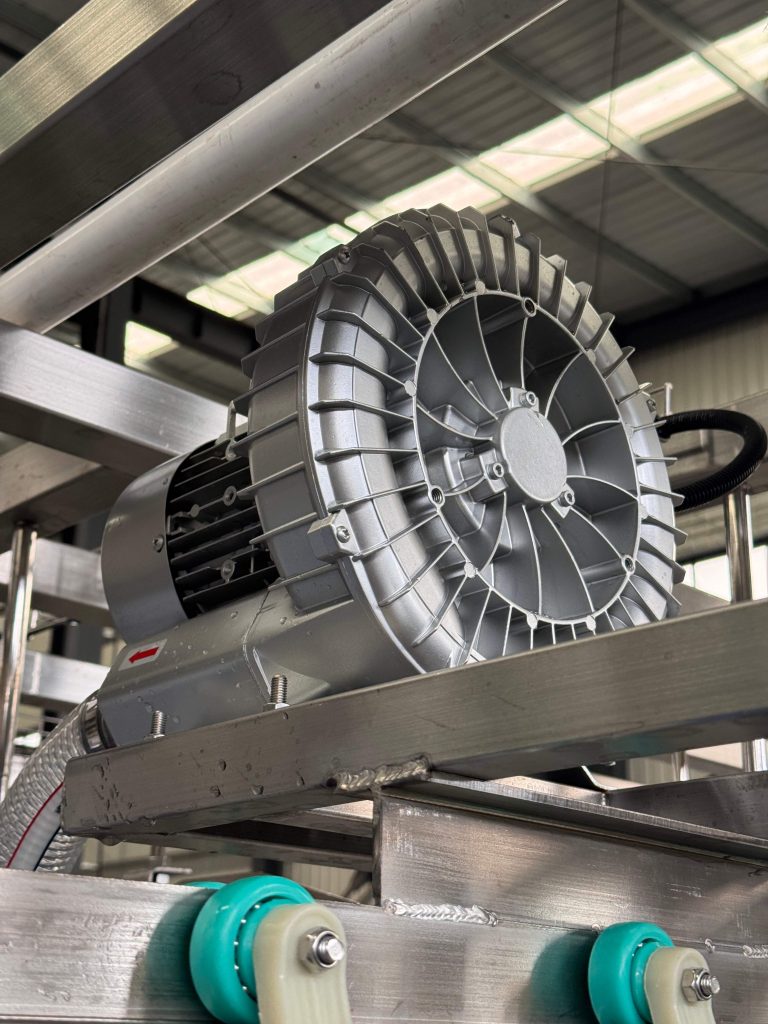
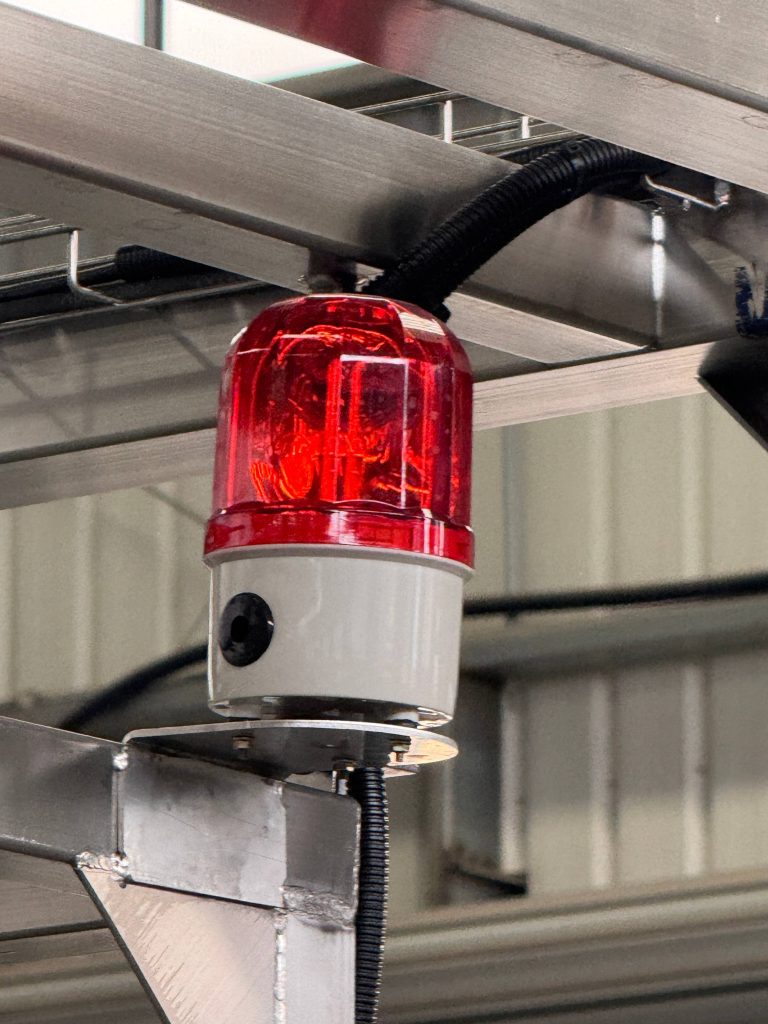
Accompanied by Amanda, Mr. Ahmed went deep into the production workshop, carefully inspecting and inquiring about every step, from the raw material warehouse to the processing workshop, from the assembly line to the quality inspection center.
Amanda Chen: After touring the workshop, what are your impressions of NPW’s production processes?
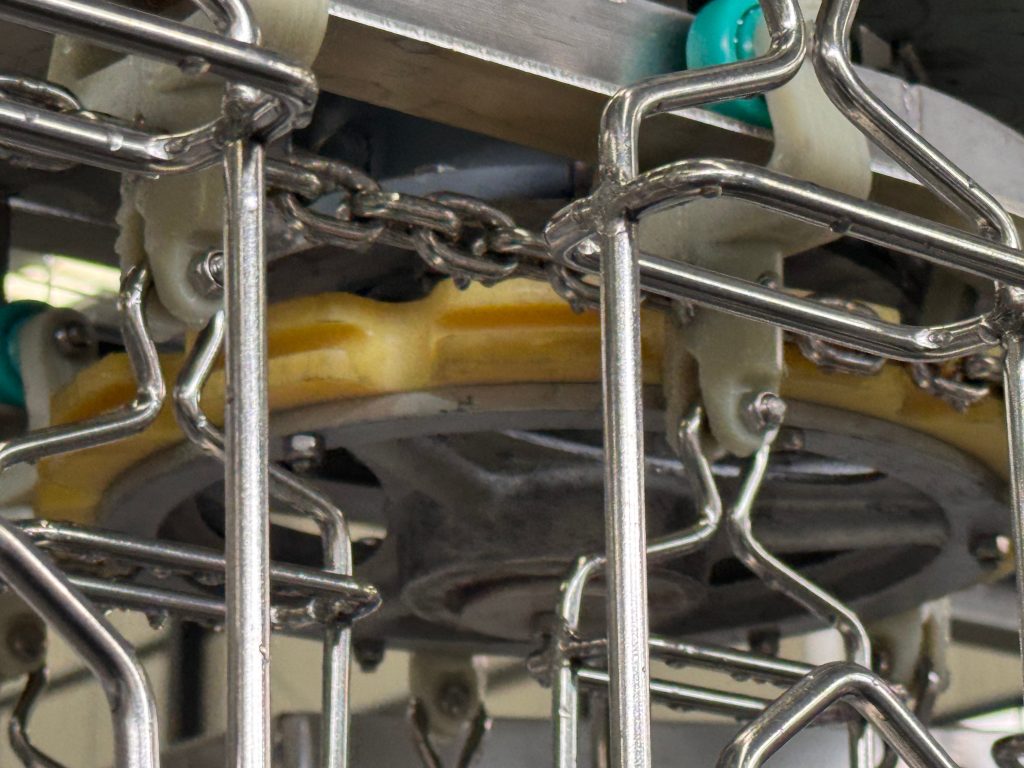
Mr. Ahmed: To be honest, it exceeded my expectations. We have previously visited equipment suppliers in Turkey and Iran, but NPW’s welding craftsmanship, stainless steel thickness, and assembly precision have all left a deep impression on me. Especially seeing that you conduct 72-hour continuous operation tests on every piece of equipment — this commitment to quality truly resonates with me.
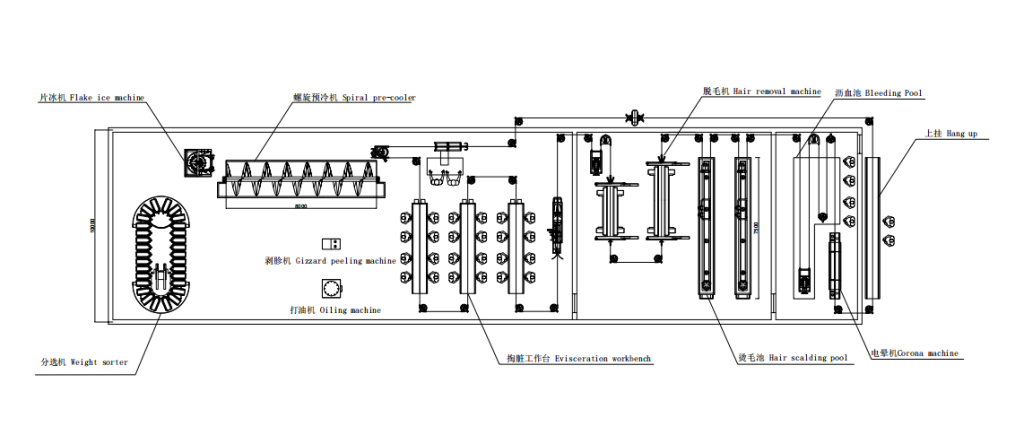
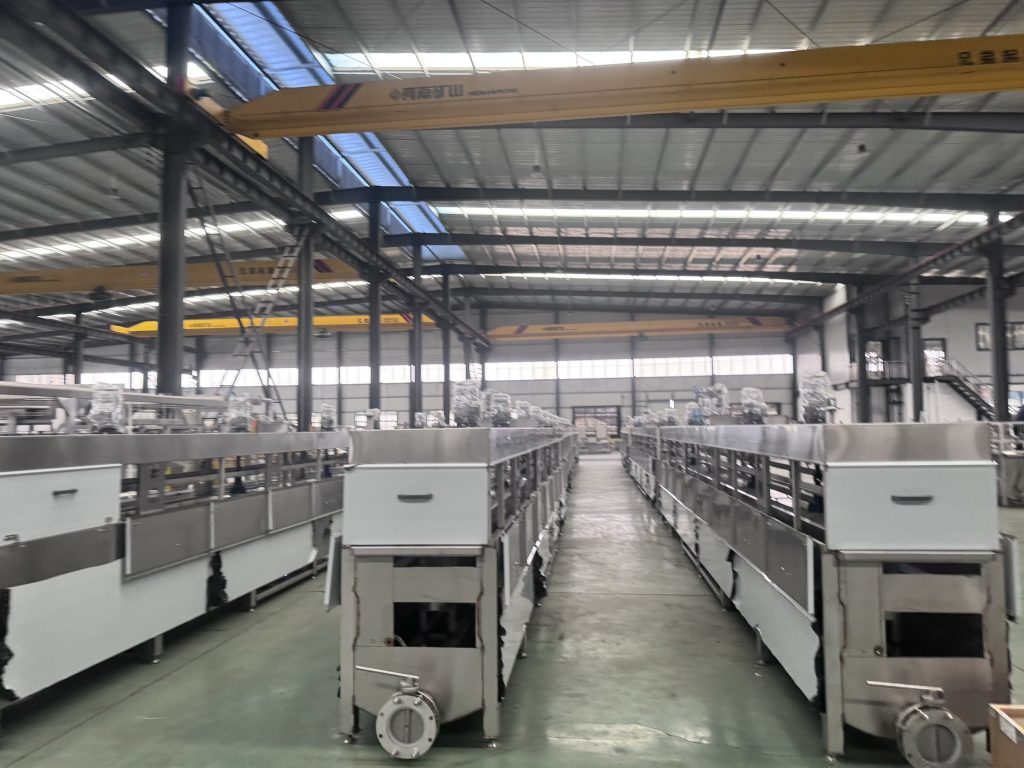
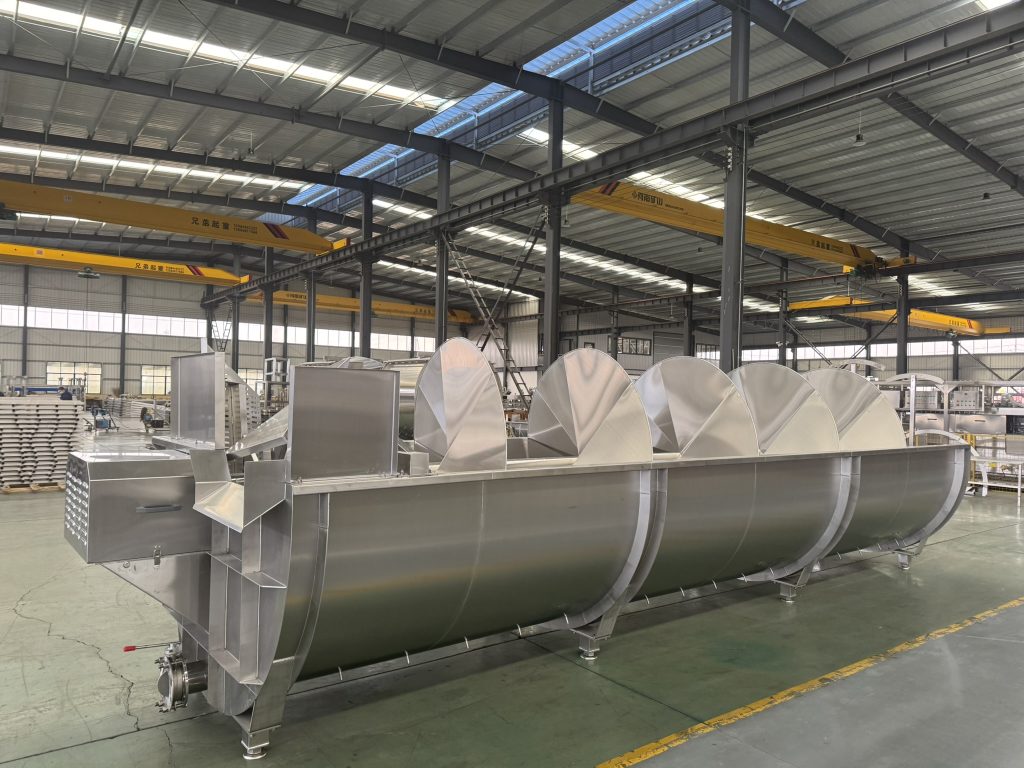
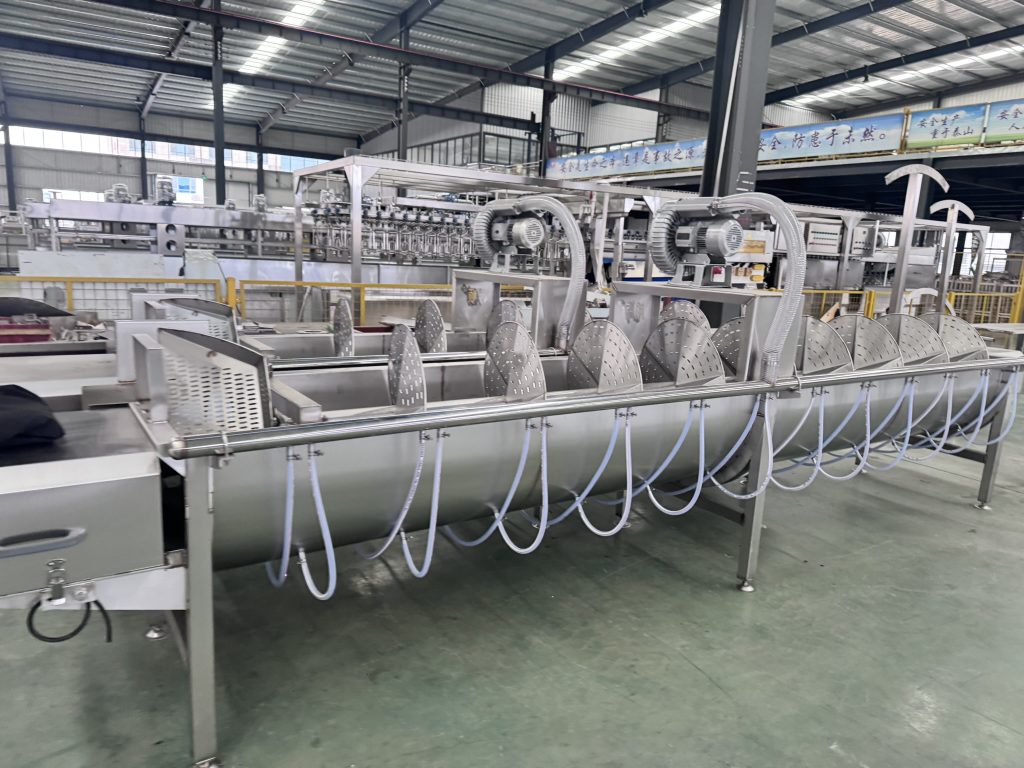
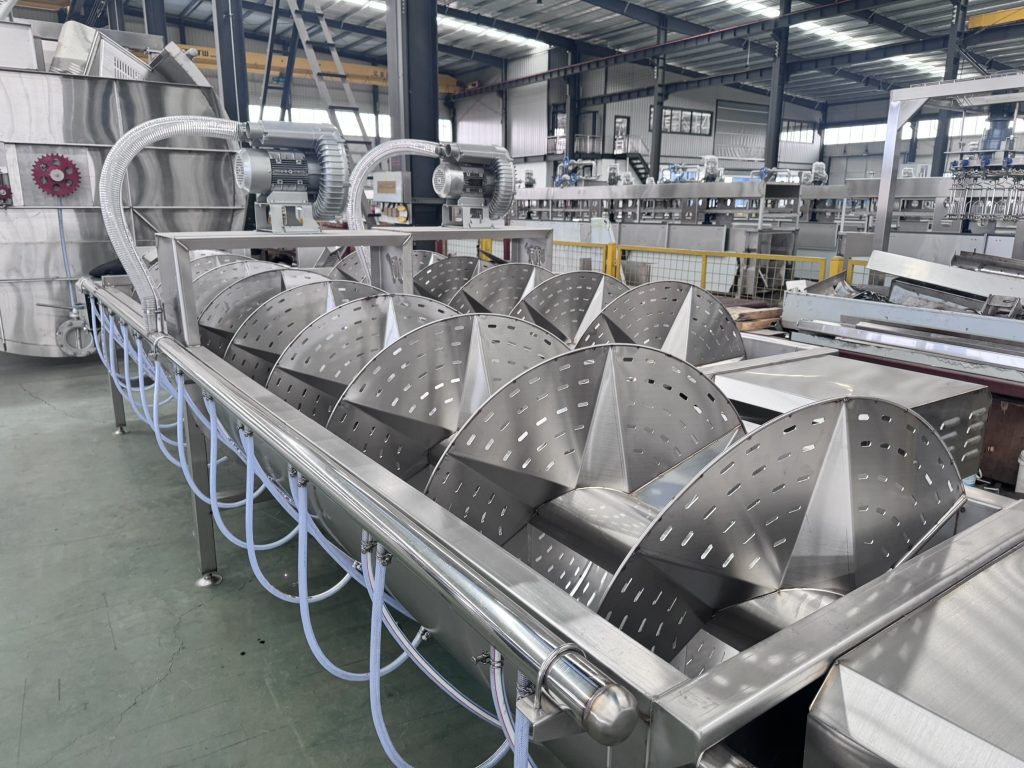
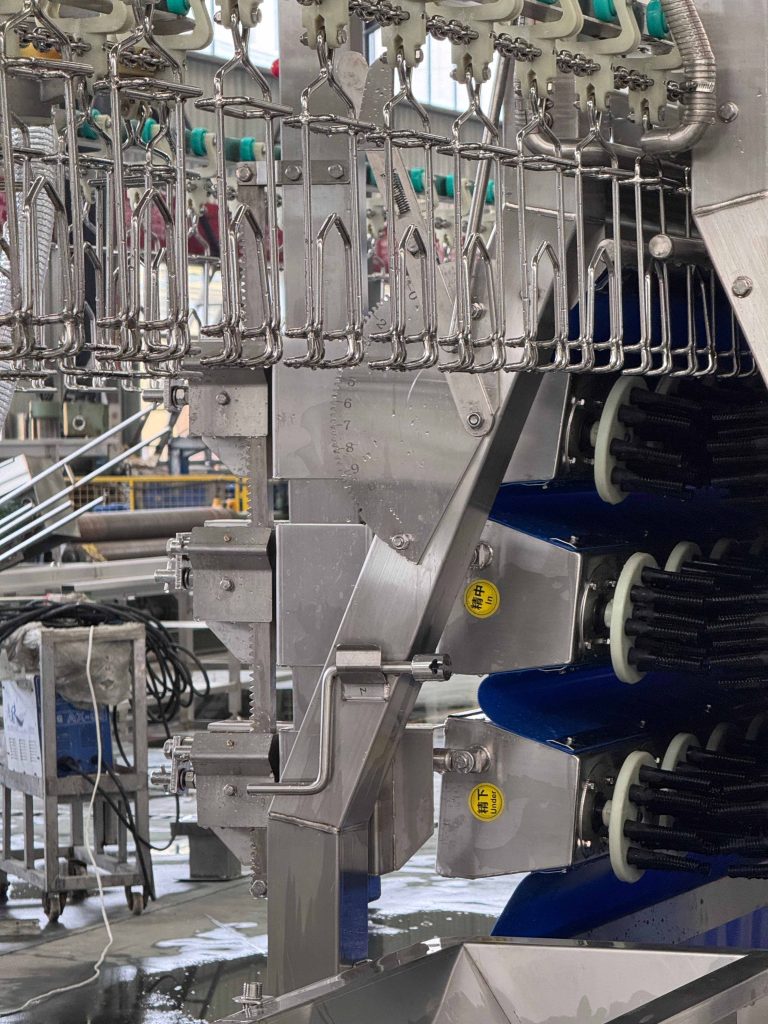
Amanda Chen: Our philosophy is, “One more hour of testing before the equipment leaves the factory means one less risk for the customer on site.” You showed particular interest in the automatic evisceration line and spiral pre-chiller in this plan. We happen to have a same-model unit being assembled in the workshop right now, so you can take a close look.
Mr. Ahmed: (Observing the equipment carefully) Excellent! The structural design of this evisceration line is very reasonable, and it looks easy to clean. Hygiene standards in Uzbekistan are becoming increasingly strict, so an easy-to-clean design is extremely important to us.
III. In-Depth Dialogue: Opportunities and Challenges in the Central Asian Market
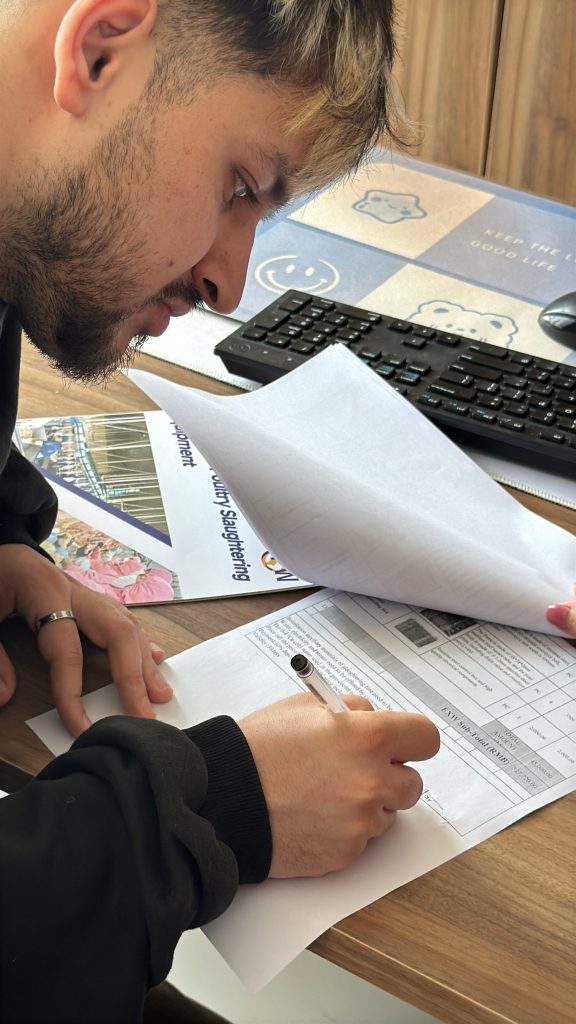
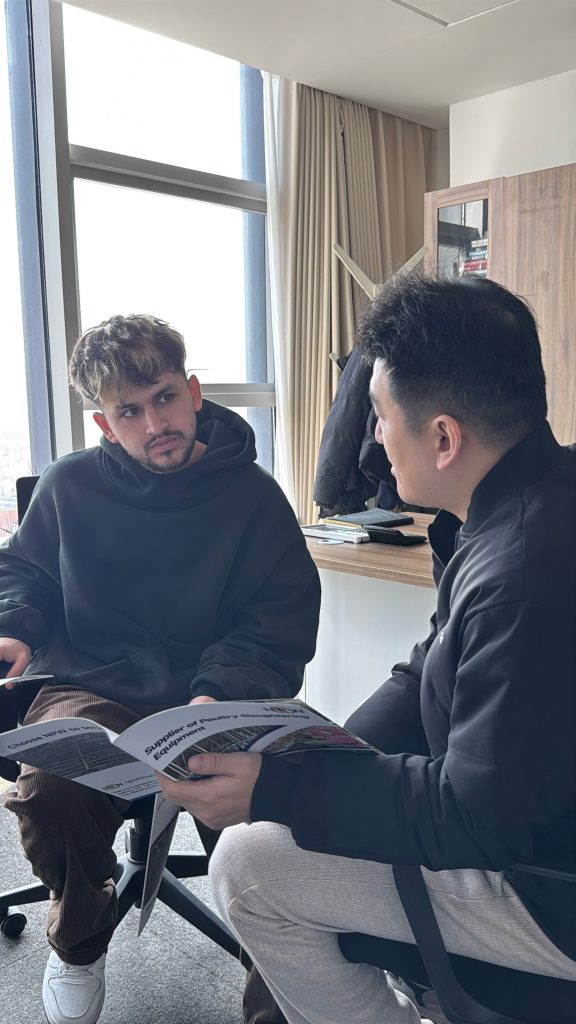
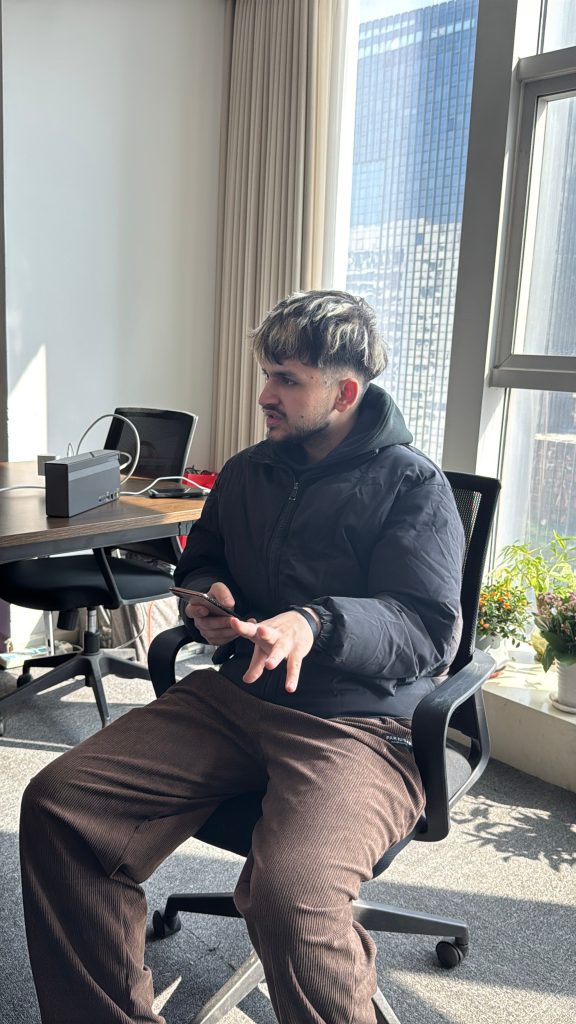
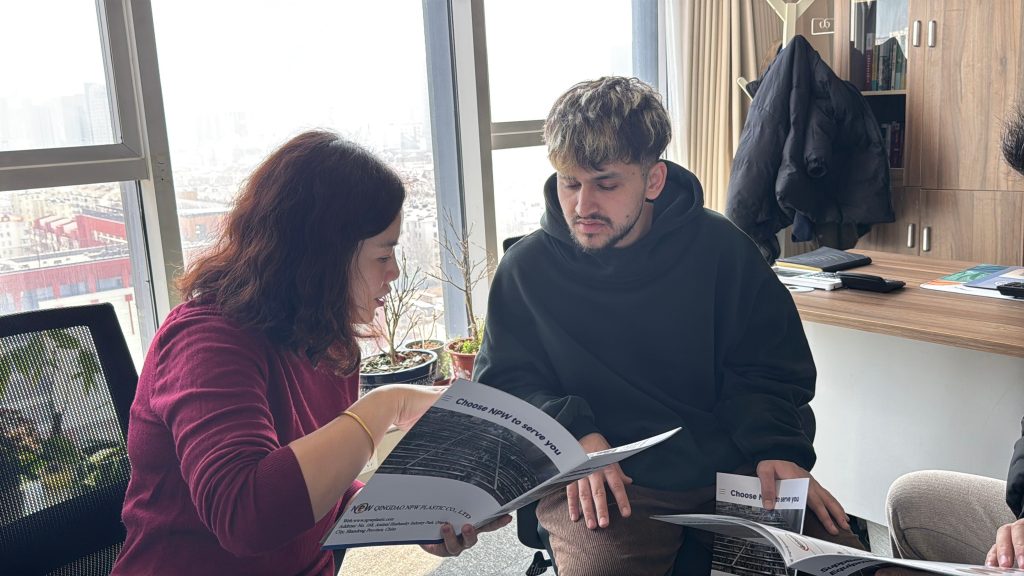
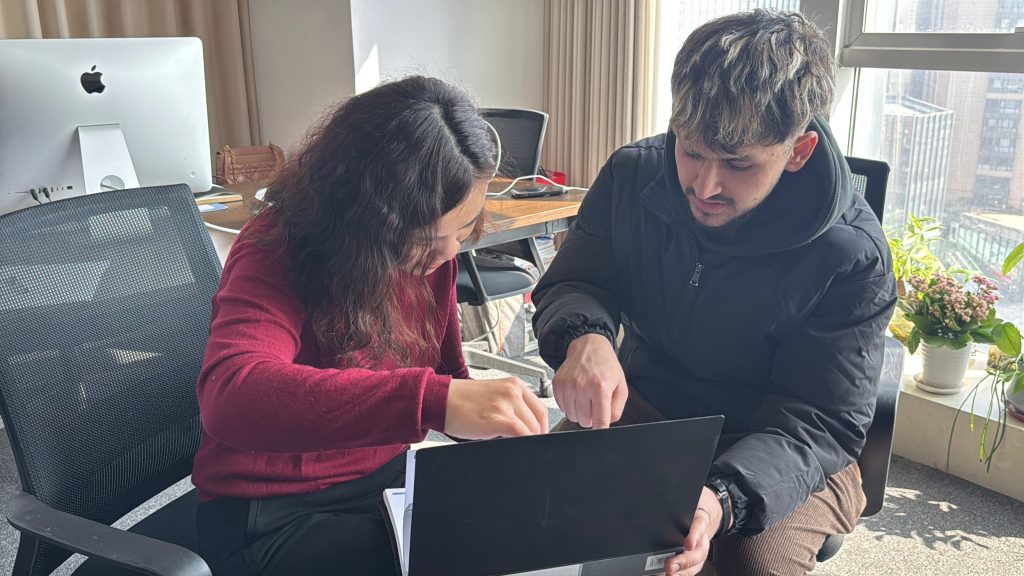
After the tour, Amanda and Mr. Ahmed engaged in a deep conversation in the conference room, discussing the Central Asian poultry market, technical requirements, and prospects for future cooperation.
Amanda Chen: Could you tell us about the current state of the poultry market in Uzbekistan?
Mr. Ahmed: In recent years, the poultry industry in Uzbekistan has developed very rapidly. The government strongly supports food self-sufficiency, and poultry consumption is growing by about 15% annually. However, our slaughtering and processing technology is relatively backward; many facilities still use old equipment, resulting in low efficiency and poor hygiene. This is both a challenge and a huge market opportunity.
Amanda Chen: So, choosing this 3000BPH fully automatic line this time is a strategic move for the future?
Mr. Ahmed: Yes. Our current daily slaughter volume is already nearing the limit of our existing line. Once the new line is operational, our capacity will more than triple. More importantly, automated equipment guarantees product standardization — consistent weight and quality, which is crucial for us to enter supermarkets and high-end catering channels.
Amanda Chen: You mentioned standardization. In this plan, we included a belt-type weighing sorter with an accuracy of ±2 grams. Do you think this configuration meets your needs?
Mr. Ahmed: This is exactly what we need! The demand for graded products in the Uzbek market is growing. Supermarkets are willing to pay a premium for products with uniform specifications. This sorter will help us achieve “better quality, better price.”
IV. Halal Adaptation: The Importance of Respecting Local Culture
Amanda Chen: We understand that Uzbekistan is a Muslim country, and Halal certification is crucial for the slaughter line. In this plan, we specially designed switchable slaughter stations. Do you think this design is reasonable?
Mr. Ahmed: I am very grateful for the NPW team’s understanding in this regard. You proactively inquired about Halal requirements during the design phase and provided a solution with automatic slaughter machines plus switchable manual stations — automatic slaughter for efficiency during normal operation, while retaining manual stations to meet religious requirements. This respect for local culture is an important factor in our choice of partner.
Amanda Chen: Respecting our clients’ culture and needs is a principle we always adhere to. Besides the slaughtering process, are there any other special considerations?
Mr. Ahmed: The language of the operation interface. Our workers are more proficient in Russian, and you agreed to provide a Russian-language touchscreen interface, which is very thoughtful. Also, summer temperatures in Uzbekistan are high; the workshop can reach over 45°C, so the equipment’s high-temperature resistance is also important.
Amanda Chen: Please rest assured on this point. The motors and electrical components we select are all high-temperature resistant models, adaptable to environments up to 50°C. During subsequent installation and commissioning, we will also make targeted adjustments based on the on-site conditions.
V. After-Sales Service: A Promise Across Borders
Amanda Chen: Equipment purchase is just the beginning; subsequent installation, commissioning, and maintenance are the foundation of long-term cooperation. What are your expectations for after-sales service?
Mr. Ahmed: This is one of my biggest concerns. Many Chinese companies sell equipment abroad, but after-sales service lags behind, making it difficult to resolve issues when they arise. What are your plans in this regard?
Amanda Chen: We have developed a comprehensive after-sales plan:
- Installation Phase: Send a 4-person technical team to Uzbekistan for on-site installation, providing full guidance for approximately 45 days.
- Training Phase: Provide systematic training for your operators and maintenance personnel.
- Remote Support: The equipment is equipped with IoT modules, allowing us to diagnose issues remotely.
- Spare Parts Guarantee: Common spare parts are stocked in our Qingdao warehouse and can be air-shipped to Tashkent within 7-10 days.
- Warranty Commitment: 24-month warranty on core components.
Mr. Ahmed: This plan is very comprehensive. Remote diagnosis, in particular, can significantly reduce downtime. NPW has thought this through very well.
VI. Looking Ahead: More Than Equipment, a Partner
Amanda Chen: This visit is coming to an end. What is your overall impression of NPW, and what are your expectations for future cooperation?
Mr. Ahmed: (After thoughtful consideration) This visit has confirmed one thing for me: NPW is not just an equipment supplier, but a partner worthy of long-term cooperation. Your team is professional, sincere, and most importantly, you are willing to listen to the client’s needs rather than simply pushing your products.
Amanda Chen: Thank you for your recognition! This is exactly how we position ourselves — not just selling equipment, but helping our clients succeed.
Mr. Ahmed: Yes. I look forward to the successful implementation of our 3000BPH project, making it a benchmark for poultry slaughtering in Uzbekistan. In the future, as the market develops, we may need to build a second or third line, and I hope to cooperate with NPW again then.
Amanda Chen: Definitely! We will use the success of this project to prove that NPW is your most trustworthy partner.
Mr. Ahmed: (Smiling) Then I can return home with peace of mind. I look forward to the project starting production soon, and I hope you can visit Tashkent in the future!
Amanda Chen: It’s a deal! Wishing you a smooth journey back. Let’s stay in touch.
VII. Interviewer’s Notes
The two-day visit quickly came to an end. Mr. Ahmed embarked on his journey home, carrying with him trust and recognition for NPW. Before leaving, he特意 stopped for a group photo at the factory gate, reiterating: “Choosing NPW was the best decision I made on this trip to China.”
For NPW, this was more than just a client visit; it was a deep cross-cultural exchange. From online communication to an offline handshake, from solution design to on-site inspection, every step bore witness to the sincere cooperation between entrepreneurs from China and Uzbekistan.
As Amanda said at the farewell: “Equipment has a price, but trust is priceless. What we deliver is not just a production line, but the fulfillment of our promises to each other.”
We look forward to the successful implementation of this project and to the Uzbek poultry market flourishing as a result of this cooperation.
- 1. Major Investments Require Physical Verification
- A 3,000 BPH slaughter line is a significant investment. Online communication builds confidence, but only seeing the production line with one’s own eyes and touching the equipment brings true peace of mind.
- 2. Manufacturing Quality Exceeds Expectations
- NPW’s welding craftsmanship, stainless steel thickness, and assembly precision exceeded expectations, outperforming previously visited suppliers from Turkey and Iran.
- 3. Quality Testing Builds Trust
- Conducting 72-hour continuous operation tests on every piece of equipment demonstrates a commitment to quality that deeply resonates with clients.
- 4. Central Asian Market Is Growing Rapidly
- Poultry consumption in Uzbekistan is growing at approximately 15% annually, with strong government support for food self-sufficiency, indicating huge market potential.
- 5. Automation Upgrade Is Urgently Needed
- Existing equipment is outdated, inefficient, and lacks proper hygiene. The new line will more than triple production capacity.
- 6. Standardized Products Are Key
- Automated equipment ensures product standardization, which is essential for entering supermarkets and high-end catering channels.
Interviewee: Mr. Ahmed Al-Otaibi (Technical Manager, Al-Ataibi Poultry Group)
Interviewer: Amanda Chen (Foreign Trade Manager, NPW Slaughtering Equipment)
Interview Date: March 10, 2026
Location: NPW Factory, ShanDong, China
NPW Slaughtering Equipment
Making Slaughtering More Efficient, Making Food Safer
If you are looking to acquire the same equipment and launch your own slaughterhouse operation, please feel free to contact me.