Product Introduction: Polyacrylamide (PAM) – Specialized Flocculant for Slaughterhouse Wastewater Treatment
Product Overview
This product is a series of Polyacrylamide (PAM) high-molecular-weight polymer flocculants, designed as the core “solid-liquid separation accelerator” for slaughterhouse and meat processing wastewater treatment systems. After pretreatment and coagulation, slaughterhouse wastewater contains numerous fine, loose suspended flocs (alum blooms) that are difficult to settle quickly and completely. This product series utilizes a powerful “adsorption-bridging-net capture” mechanism to aggregate these fine flocs into dense, large clumps, thereby increasing sedimentation or flotation efficiency by tens of times. It is an indispensable chemical aid for achieving clear effluent and compliant sludge dewatering.
Core Functions and Selection Guide in Slaughterhouse Wastewater Treatment
- As a High-Efficiency Flocculant for Rapid Sludge-Water Separation
- Working Principle: PAM is a long-chain polymer. The active groups on its molecular chains act like “countless tentacles,” strongly adsorbing the fine flocs formed after coagulation (e.g., PAC treatment). Through “bridging” and “net capture” by the long chains, large, dense flocs with extremely fast settling rates are formed.
- Process Application:
- Sedimentation Process: When dosed before primary or secondary sedimentation tanks, it enables rapid settling of suspended solids (SS) and chemical oxygen demand (COD), significantly improving effluent quality.
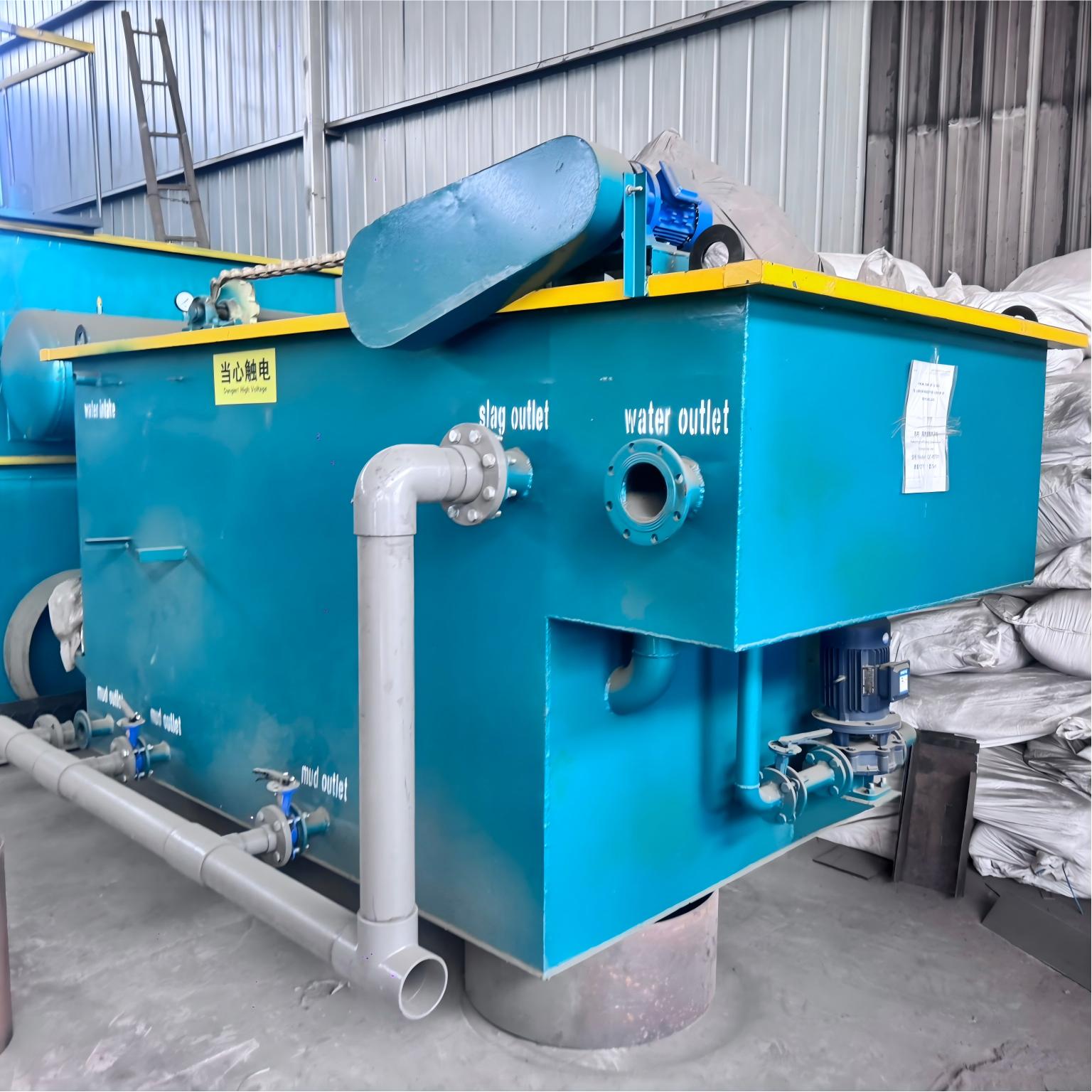
- Flotation Process: When dosed in Dissolved Air Flotation (DAF) systems, it helps form compact floating scum from oils and suspended solids, facilitating skimming and greatly improving oil removal and treatment efficiency.
- As a Sludge Dewatering Agent, Significantly Reducing Disposal Costs
- Key Function: The organic sludge generated in slaughterhouses has high water content, is viscous, and difficult to dewater. This product (especially the cationic type) effectively neutralizes the negative charge of sludge colloids, disrupts their hydrophilic structure, releases bound water, and consolidates the loose sludge into firm, easily filter-pressed cakes.
- Economic Benefit: It significantly improves the processing efficiency and cake solids content of belt filter presses, centrifuges, or plate and frame filter presses (can reduce moisture content from over 99% to below 80%), thereby greatly reducing sludge volume and lowering transportation and disposal costs.
Product Selection Guide
- Anionic PAM (APAM): Suitable for flocculation-sedimentation stages where inorganic suspended solids (e.g., skin debris, sand) dominate, in neutral to alkaline pH wastewater.
- Cationic PAM (CPAM): Highly recommended for slaughterhouse wastewater. Suitable for wastewater rich in organic matter (proteins, fats) and negatively charged colloidal particles, as well as for dewatering the resulting organic sludge. Offers excellent charge neutralization and adsorption-bridging capabilities.
- Non-Ionic PAM (NPAM): Suitable for flocculation of fine particles under acidic or high-salinity conditions, with a wide pH application range.
Core Product Advantages
- High-Efficiency Enhanced Separation: Low dosage, significant flocculation effect, fast settling/floating speed, capable of handling fluctuations in slaughterhouse wastewater quality.
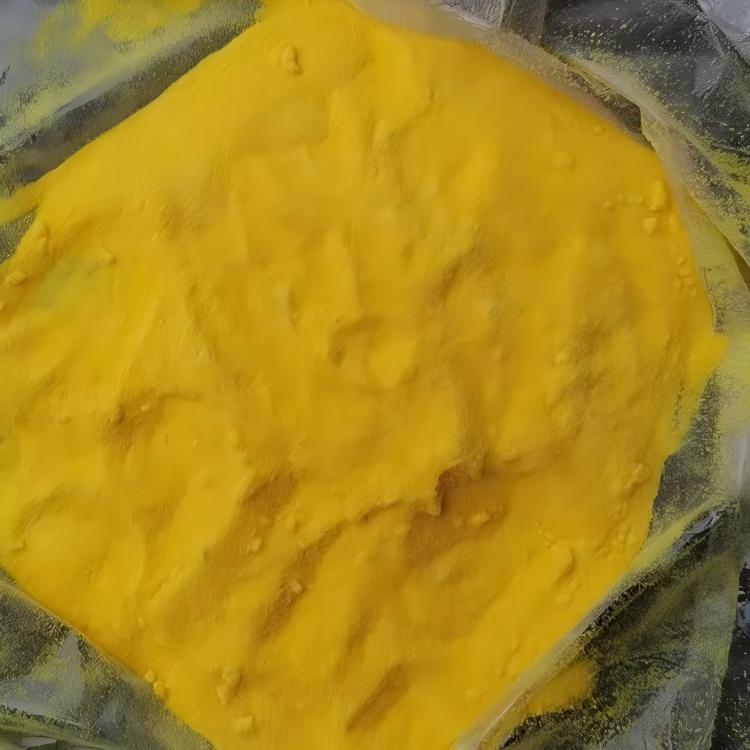
- Improves Overall System Performance: When used scientifically in conjunction with coagulants like PAC, a synergistic “1+1>2” effect can be achieved, ensuring stable, compliant system performance.
- Improves Sludge Characteristics: Effectively enhances sludge dewatering efficiency and cake solids content, directly reducing a core operational cost—sludge disposal.
- Stable and Reliable Quality: Uniform molecular weight distribution, good solubility, ensuring consistent performance across batches.
Technical Parameters (Example for Common Models)
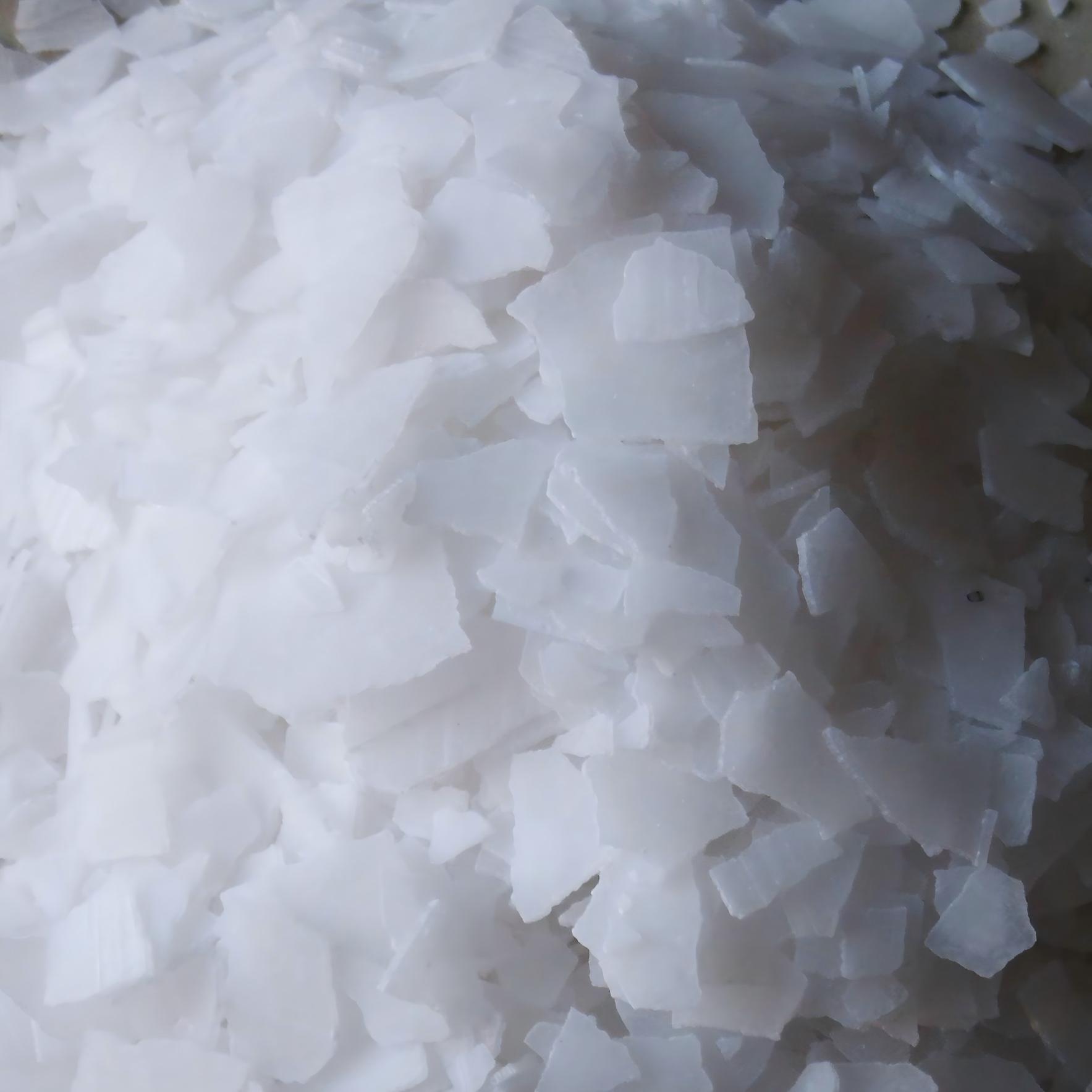
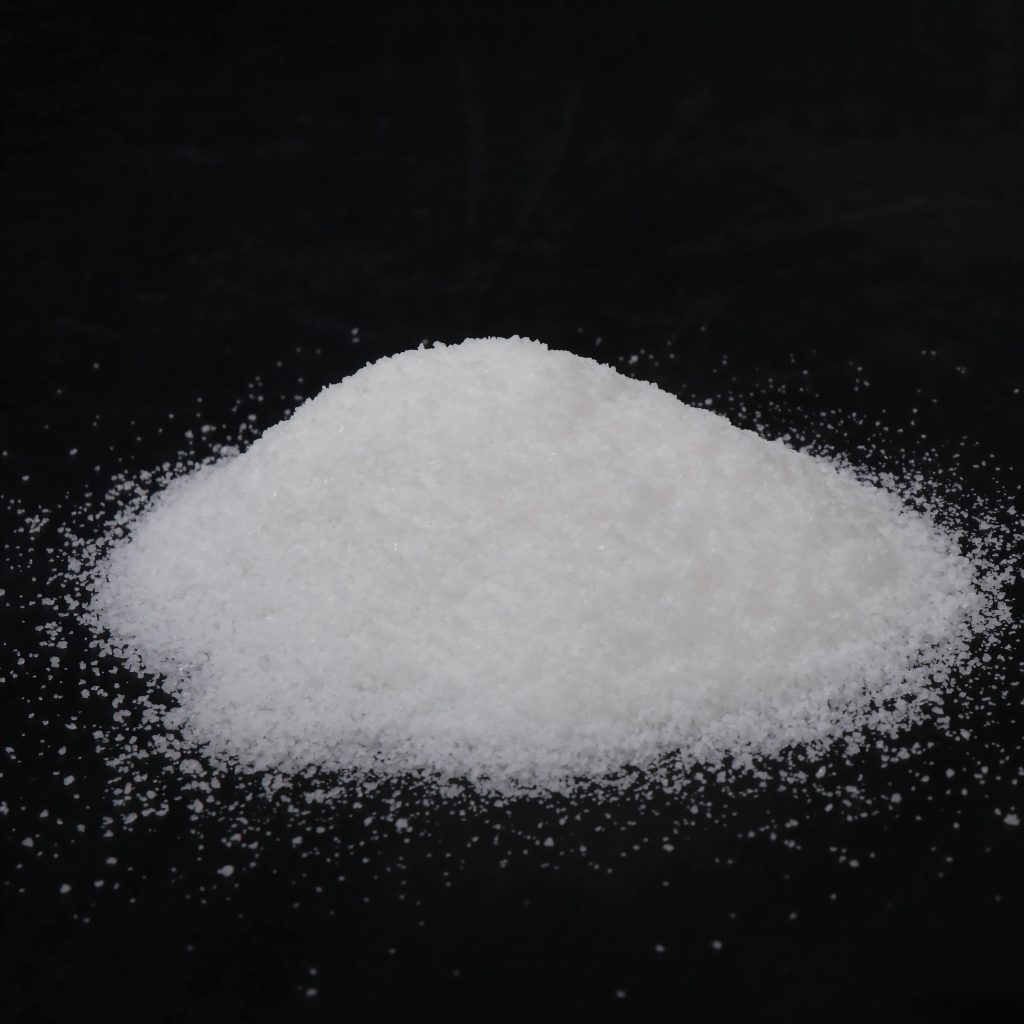
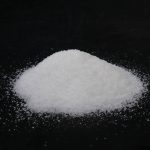
- Appearance: White granules or powder
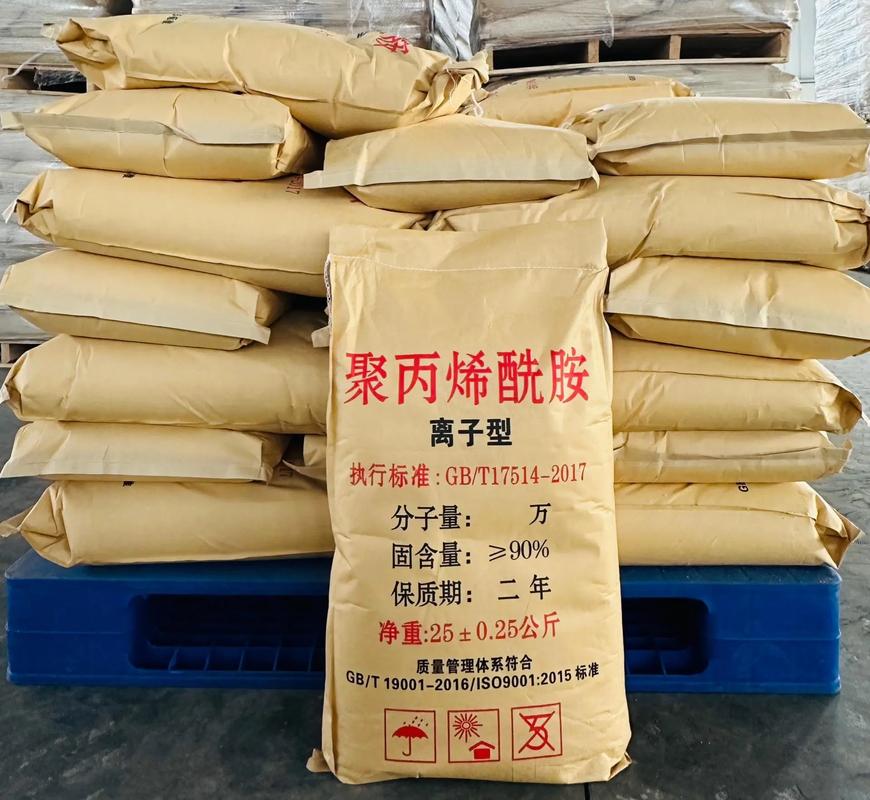
- Solid Content: ≥ 90%
- Ionicity: Varies by model (e.g., cationic types commonly 10%-60%)
- Molecular Weight: 8 – 18 million (customizable based on requirements)
- Dissolution Time: ≤ 60 minutes (recommended for use as a 0.1%-0.3% solution)
Safety and Handling Instructions
- Solution Preparation: Must use clean water. Sprinkle the powder evenly under gentle agitation to avoid clumping. Prepared solutions are recommended for use within 24-48 hours to prevent degradation.
- Safety Precautions: The fine powder necessitates wearing a dust mask, gloves, and safety goggles during handling to prevent inhalation or eye contact.
- Optimization Testing: Due to water quality variations, jar testing is strongly recommended to determine the optimal ionic type, dosage, and solution concentration.
This product is a vital component of our “One-Stop Chemical Solution” for slaughterhouse wastewater treatment. We offer complimentary water quality jar testing analysis and on-site application guidance to help you select the optimal PAM type and determine the most cost-effective dosing strategy, ensuring your wastewater treatment system achieves the best solid-liquid separation results with the lowest overall operating costs.