Maintaining a strong hygiene and epidemic prevention system is paramount for chicken farms, as it safeguards poultry health, boosts productivity, curbs disease transmission, and ensures food supply safety. Below is a comprehensive, step-by-step guide to establishing an effective system.
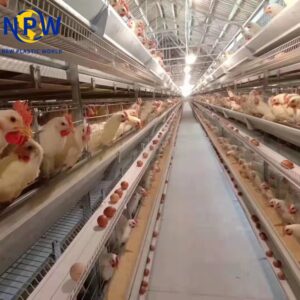
1. Farm Layout and Design
A well-planned physical layout minimizes cross-contamination and streamlines disease management.
- Zoning: Divide the farm into distinct zones, including areas for laying hens, broilers, feed storage, waste disposal, and quarantine. Restrict access to each zone to prevent pathogen movement.
- Ventilation: Install efficient airflow systems to reduce humidity, a key factor in fungal and bacterial growth.
- Drainage: Implement a robust drainage system to avoid standing water, which serves as a breeding ground for bacteria.
2. Biosecurity Protocols
Biosecurity is the foundation of disease prevention, blocking the entry and spread of infectious agents.
- Personnel Management:
- Training: Educate workers on hygiene practices, biosecurity importance, and early detection of poultry disease symptoms.
- Protective Gear: Mandate dedicated workwear (clothes, boots, gloves, masks) and place disinfectant stations at entry/exit points.
- Access Control: Limit farm access to essential personnel only, requiring strict disinfection (foot baths, clothing changes, hand sanitization).
- Visitor Logs: Record all visitors, provide protective gear, and restrict them to designated areas.
- Animal Movement Controls:
- Quarantine for New Birds: Isolate new arrivals for 2–3 weeks before integrating them into the main flock to screen for hidden diseases.
- Wildlife Barriers: Use netting or fencing to keep wild birds and animals—potential disease carriers—away from poultry.
- Transport Sanitization: Thoroughly clean and disinfect vehicles before and after transporting chickens.
3. Sanitation and Disinfection
Regular cleaning and disinfection reduce pathogen loads and prevent outbreaks.
- Routine Cleaning: Daily removal of manure, feathers, and other organic waste from poultry houses, feed bins, water containers, and equipment.
- Targeted Disinfection: Use veterinary-approved disinfectants on surfaces and infrastructure, especially after cleaning or during suspected outbreaks.
- Hygiene Stations: Place foot baths at all entry/exit points and provide hand sanitizers for workers and visitors.
- Water Safety: Disinfect water sources (e.g., via chlorination or UV treatment) to prevent waterborne diseases.
4. Waste Management
Proper waste handling prevents pathogen accumulation and environmental contamination.
- Manure Handling: Remove manure regularly and store it in a designated area for composting or safe disposal.
- Composting: Compost manure to eliminate pathogens, turning it into a safe agricultural byproduct.
- Dead Bird Disposal: Promptly remove and dispose of dead birds via incineration or burial, following local regulations.
5. Disease Surveillance and Monitoring
Early detection is critical for containing outbreaks.
- Veterinary Partnerships: Collaborate with a veterinarian for regular health checks, blood tests, and vaccination oversight.
- Flock Inspections: Monitor for signs of illness (e.g., unusual mortality, reduced egg production, respiratory/digestive issues) and track common diseases like avian influenza or Newcastle disease.
- Environmental Monitoring: Regulate temperature and humidity, as extreme conditions stress poultry and weaken immunity.
- Record-Keeping: Maintain detailed logs of flock health, vaccination schedules, and treatments to identify patterns and guide responses.
6. Vaccination and Preventive Care
Vaccination is a cornerstone of disease prevention.
- Custom Vaccination Schedules: Work with veterinarians to develop plans targeting region-specific threats (e.g., Marek’s disease, infectious bronchitis, avian influenza).
- Coordinated Protocols: Align vaccination with biosecurity—for example, isolating newly vaccinated birds until immunity develops.
- Stress Support: Administer probiotics or vitamins during high-stress periods (e.g., transport, weather changes) to boost immunity.
7. Feed and Water Safety
Contaminated feed or water can trigger disease outbreaks.
- Feed Storage: Store feed in clean, dry, pest-free areas to avoid mold, bacteria, or mycotoxin contamination.
- Water Quality: Regularly test and disinfect water supplies to ensure freshness and safety.
- Pest Control: Implement integrated measures to eliminate rodents, flies, and insects that contaminate feed/water.
8. Emergency Response Plans
Prepare for outbreaks to minimize losses.
- Isolation Zones: Designate areas to separate sick birds from healthy ones.
- Quarantine Protocols: Establish farm-wide quarantine procedures during outbreaks to prevent spread to neighboring farms.
- Rapid Notification: Create a system to alert veterinarians, authorities, and staff immediately upon suspecting an outbreak.
- Disinfection Guidelines: Define clear steps to sanitize equipment, vehicles, and facilities during crises.
By integrating these measures, chicken farms can build a resilient system that protects poultry health, ensures food safety, and sustains long-term productivity.
“I used to think that epidemic prevention was just about getting vaccinated. But since we introduced this systematic epidemic prevention plan, I’ve realized that biosafety is an interconnected system. From the three-level disinfection zoning of the site and the standardized flow of personnel and materials, to precise immunization programs and regular pathogen monitoring, every link has clear operating procedures (SOPs). The biggest change is that employees have developed an ‘epidemic prevention awareness’ and know why they are doing things this way. In the year since its implementation, there have been zero major outbreaks of Newcastle disease, avian influenza, and other serious illnesses. Routine respiratory and intestinal problems have also decreased by more than 70%, and veterinary drug costs have dropped significantly. This system truly puts money into prevention, rather than treatment.”