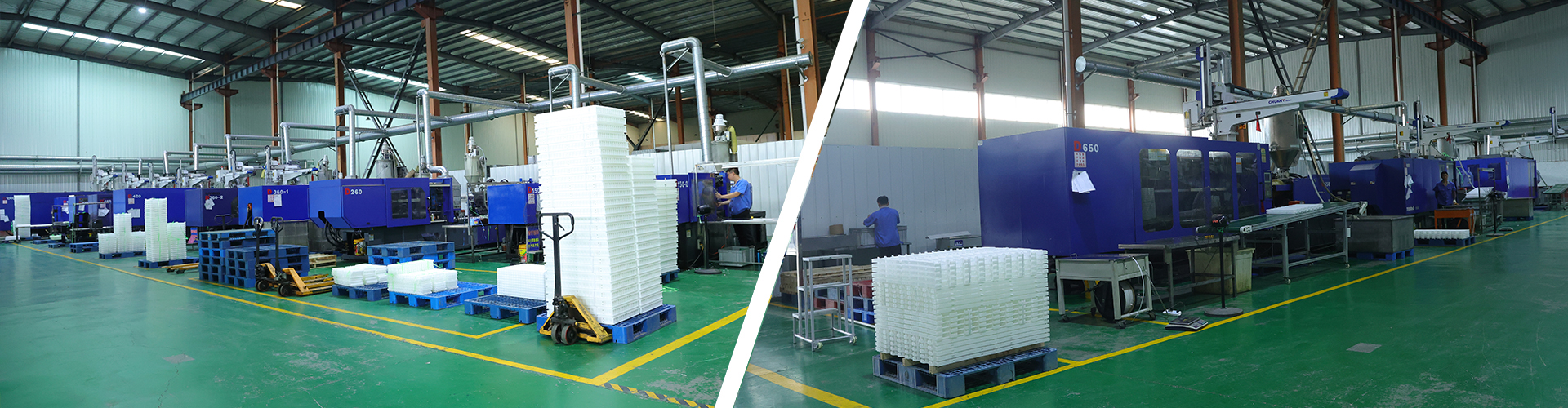
Breeding Egg Crates are indispensable tools in modern poultry farming, designed to optimize egg collection, reduce breakage, and enhance biosecurity. Engineered with precision and durability, these crates play a pivotal role in commercial egg production, hatchery management, and sustainable farming practices. This article explores their manufacturing innovations, key applications, performance features, and best practices, supported by real-world case studies from global agribusiness and environmental initiatives.
Manufacturing Advantages
- High-Performance Material Engineering
Modern Breeding Egg Crates are crafted from UV-stabilized polypropylene (PP) or recycled high-density polyethylene (HDPE), ensuring resistance to moisture, chemicals, and extreme temperatures (-20°C to 70°C). For example, AgriTech Solutions uses recycled HDPE blended with anti-microbial additives, reducing bacterial contamination by 60% compared to conventional plastic crates.
- Modular and Ergonomic Design
AI-driven molds produce stackable, interlocking crates with reinforced edges to prevent deformation under heavy loads (up to 50 kg). PoultryPro Global reported a 25% increase in storage efficiency using collapsible designs for hatchery operations.
- Cost-Effective Production
Automated extrusion lines enable mass production (10,000+ units/month) with 15% lower material waste. EcoFarm Innovations achieved carbon neutrality by integrating solar-powered manufacturing in Vietnam.
- Biosecurity Enhancements
Non-porous surfaces and dishwasher-safe materials simplify sanitation. Trials by BioSafe Systems demonstrated 99.9% pathogen elimination after high-pressure steam cleaning.
Key Applications
- Commercial Poultry Farms
- Egg Collection: Reduces breakage rates by 20% through shock-absorbing compartments. GoldenFlocks Farms (USA) cut losses by $15,000 annually after adopting HDPE crates.
- Hatchery Transport: Protects fertilized eggs during transit. EuroPoultry AG (Germany) achieved 98% hatchability using crates with temperature-controlled ventilation.
- Organic Certification Compliance
Biodegradable crates made from rice husk composites eliminate plastic contamination. BioFarm Kenya aligned with EU organic standards while reducing waste by 12 tons/year.
- Cold Chain Logistics
Insulated crates maintain stable temperatures (2–8°C) for premium egg brands. QuickFarm Japan reduced spoilage by 30% during long-haul deliveries.
- Disaster Relief Operations
Lightweight, reusable crates are deployed in emergency poultry farming. HumaneFarming International utilized modular designs to restore egg production in flood-affected regions.
Performance Features
- Enhanced Durability
Reinforced rib structures withstand 1,500 kg/m² loads, outperforming wooden alternatives. ArcticGrow (Norway) reported zero crate damage after 5 years in sub-zero conditions.
- Optimal Ventilation
Perforated side panels (3–5 mm gaps) ensure airflow, reducing condensation and fungal growth. Trials in Wageningen University showed a 15% improvement in egg shelf life.
- Anti-Slip and Predator-Proof
Textured surfaces prevent egg slippage, while tamper-proof locks deter rodents. A Minnesota Poultry Co-op reduced theft losses by 90% using GPS-enabled crates.
- Traceability Integration
RFID tags and QR codes enable real-time tracking from farm to market. AgriBras (Brazil) streamlined compliance audits using blockchain-linked crates.
Usage Considerations
- Installation Best Practices
- Secure crates on level surfaces to prevent tilting.
- Avoid direct sunlight exposure to minimize UV degradation.
- Maintenance Protocols
- Sanitize crates weekly with pH-neutral detergents.
- Inspect for cracks or warping monthly; replace every 5–8 years.
- Regulatory Compliance
Ensure designs meet EU Regulation (EC) No 853/2004 for food contact materials and ISO 14001 for recyclability.
- Seasonal Adjustments
- Use insulated liners in winter to prevent frost damage.
- Increase ventilation gaps in humid climates to avoid mold.
Case Studies
- Carbon-Neutral Egg Farming in the Netherlands
GreenHen Farms reduced emissions by 18% using solar-powered HDPE crates, achieving Carbon Trust certification.
- Efficient Hatchery Operations in Thailand
AgroNursery Systems cut labor costs by 30% with automated crate stacking systems, boosting daily output to 500,000 eggs.
- Urban Rooftop Poultry in Singapore
SkyGreens integrated IoT-enabled crates into vertical farms, improving traceability and reducing breakage by 25%.
Conclusion
Breeding Egg Crates exemplify the synergy of sustainable engineering and agricultural efficiency. By leveraging their durability, biosecurity features, and modularity, farmers can enhance productivity, meet regulatory standards, and contribute to a circular economy.
Keywords: Breeding Egg Crate manufacturing, poultry farming solutions, HDPE egg crates, biosecurity in egg transport, sustainable hatchery equipment.
References:
- Standards: EU Regulation (EC) No 853/2004, ISO 14001.
- Case study data from GreenHen Farms, AgroNursery Systems, and SkyGreens.